Original article: La marraqueta no necesita pasaporte, pero sí memoria emotiva
By Álvaro Bustos Barrera
From time to time, gastronomy serves as a battleground for identities. This time, the controversy stems from Bolivia, where a group of bakers advocates for the marraqueta to be recognized by UNESCO as an Intangible Cultural Heritage of Humanity, claiming it as a Bolivian creation.
In our country, the reaction was swift and resonant. The Santiago Guild of Bread Manufacturers, Indupan, expressed surprise at the news and sparked a debate that, beyond national pride, prompts reflections on how we understand culinary heritage.
The problem arises when we attempt to assign a birth certificate to foods that have been crossing borders for centuries.
Culinary history shows that few recipes belong exclusively to a single country. The tomato traveled from the Americas to become an Italian icon; the potato, originally from the Andes, became a Belgian staple in the form of fries; coffee, cocoa, and spices have transformed entire continents. Gastronomy has always been a dialogue, never a monologue.
The marraqueta is no exception. Various theories surround its origin. Some link it to French bakers who arrived in Valparaíso in the 19th century; others argue that its development occurred in several Andean cities, including La Paz. What seems indisputable is that the bread evolved and found its own expressions on both sides of the mountain range.
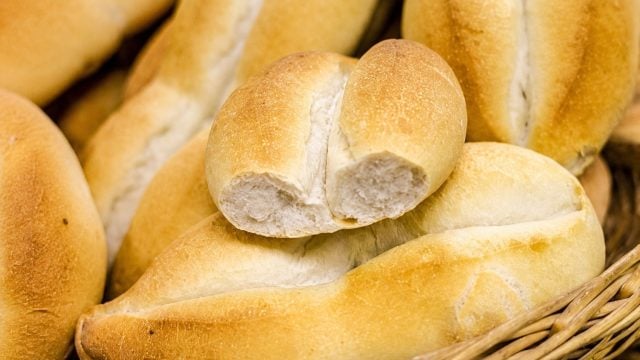
However, in Chile, the marraqueta has long transcended being just a type of bread to become an everyday symbol. It graces family breakfasts, accompanies afternoon tea, and is a staple in soda fountains and traditional national sandwiches like Potito, Churrasco, Chacarero, and many others.
Its crunchy crust and light crumb are ingrained in the collective memory of multiple generations. More than just food, it represents a cherished custom. Perhaps therein lies the difference. Heritage does not always solely belong to those who invented something but also to those who adopted, refined, and transformed it into an integral part of their identity.
The culinary scene is replete with examples where the same product acquires distinct meanings based on the territory in which it develops.
Rather than turning this debate into a competition of national flags, it would be more enriching to acknowledge that the marraqueta is a part of the culinary heritage of the Andean region. This does not diminish its importance to Chile nor invalidate the connection it may have with Bolivia. On the contrary, it demonstrates that culture is much more powerful when it unites rather than divides.
Ultimately, true heritage lies not just in the origin of a recipe but in the hands that knead it every dawn, in the ovens that have been firing up for generations, and in the people who continue to gather around freshly baked bread.
The marraqueta can still be considered Chilean in the hearts of millions—and I include myself here—even though others may also feel it belongs to them. After all, good gastronomy rarely recognizes borders; it understands history, tradition, and the ability of a simple loaf of bread to narrate the identity of a people.
Álvaro Bustos Barrera
Obtén tu Pasaporte y apoya a El Ciudadano
Elimina la publicidad, accede a contenido exclusivo y sé parte de la comunidad.
Cancela en cualquier momento · Sin permanencia