Original article: La Tabla Periódica como base material del bienestar compartido: propuesta del Proyecto Alquimia
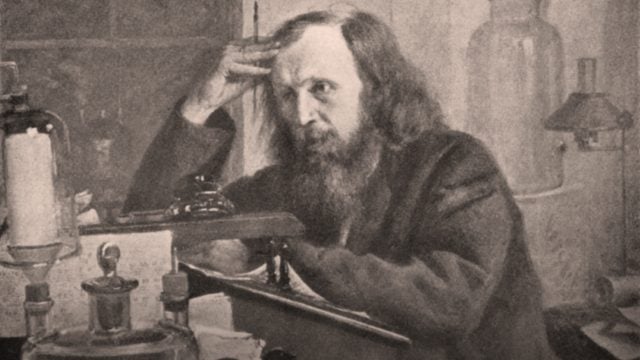
The periodic table of elements, first published by Dmitri Mendeleev in 1869 with 63 elements, was not intended to serve as a map for conflicts between transnational monopolies and states, nor to facilitate the manipulation of parliaments, media, and judges that systematically defraud the public. Mendeleev, a temperamental genius of the laboratory, played a crucial role in establishing Russia’s oil industry; however, his seminal work would transcend borders and become linked to major financial and trade hubs, such as London. The London Metal Exchange (LME) has also facilitated the trade of mineral wealth, including the metal treasures of the Andes, which are natural vaults for many of the elements Mendeleev described.
In light of this reality, and recognizing how economic empires have been built to dominate strategic sectors and prevent the common well-being of humanity, we present a proposal based on a table we might now call Mendeleev Plus, which distinguishes 118 elements. This initiative is named the Alchemy Project.
The Alchemy Project: aims to track metals from their point of origin, through sampling estimates by ton, and record information with the Central Bank at critical stages of separation, refinement, and smelting, until the acquisition of metal bars is registered in weight, thus indexing them to the daily value based on a non-speculative, production-focused system that promotes dignified employment, development, and shared benefits for humanity.
Alchemy proposes to apply this model publicly to gold, silver, copper, and lithium. While private participation is welcomed, it should never exceed 33% of the production process for each element, ensuring quality health and education for communities, as well as the material basis for other public interest and socialist projects capable of supporting measures such as Universal Basic Income. Other abundant elements and their derived compounds will remain open to private initiatives, as well as state-owned and collectively productive social organizations.
Blockades against Alchemy by private national and transnational interests can only be interpreted as a lack of vision for building a future society that benefits all of humanity.
Mendeleev created his map, known as the periodic table, by identifying the regular recurrence of the chemical and physical properties of elements according to their atomic weights, leaving spaces for future discoveries. We now attempt to understand the supply chain of elements from their point of origin, grounded in a historical materialism of elements, focusing on how they are traded producing immense wealth that does not reach the people, especially in the context of private projects.
Our revolutionary proposal countering the usurpation of elemental resources is that, out of the current 118 elements, eight should be declared public, citizen-owned, non-militarized, and universal, prioritizing benefits for indigenous peoples who hold these treasures and territories, for their communities, and for the overall country where the element is found. This aims to establish shared benefits through the digitalization of material with real correlations to production chains, rather than speculation that has led to the loss of millions in personal savings. Alchemy proposes to initiate this process with gold, silver, copper, and lithium.
We acknowledge that oil is not an element in itself, but a source for various compounds, such as xylene, which is used in plastic and polyester production. Perhaps it would be expedient to declare oil a common good for a shared future and the benefit of humanity; however, this is a significant assertion and poses an interesting challenge for producing countries wishing to contribute meaningful solutions against imperialist aggression over raw materials. Nevertheless, let’s return to the Alchemy Project, the elements, and the importance of Mendeleev’s Periodic Table, as he also studied oil.
In summary, the Alchemy Project does not seek to idolize the periodic table or turn it into a technocratic fetish; rather, it proposes using it as a material map of an economy serving humanity as a whole. If the elements sustaining civilization are finite, their management cannot be subjected to speculation or private capture. Declaring strategic elements as public and traceable, ensuring majority public participation, recognizing rights for indigenous peoples, and linking metallurgical production to health, education, and universal income is a concrete way to transition from plunder to sovereignty, and from financial abstraction to shared benefit.
This text serves as a preliminary approach to the final project, a whitepaper open to public participation for its global development. We invite the scientific community and academia to contribute to its design, validation, and debate, and call upon national central banks to join this collective construction process. We do not present a finalized document here, but rather an initial foundation for a rigorous and global public debate to transform the Periodic Table into a tool for sovereignty, traceability, and shared well-being.
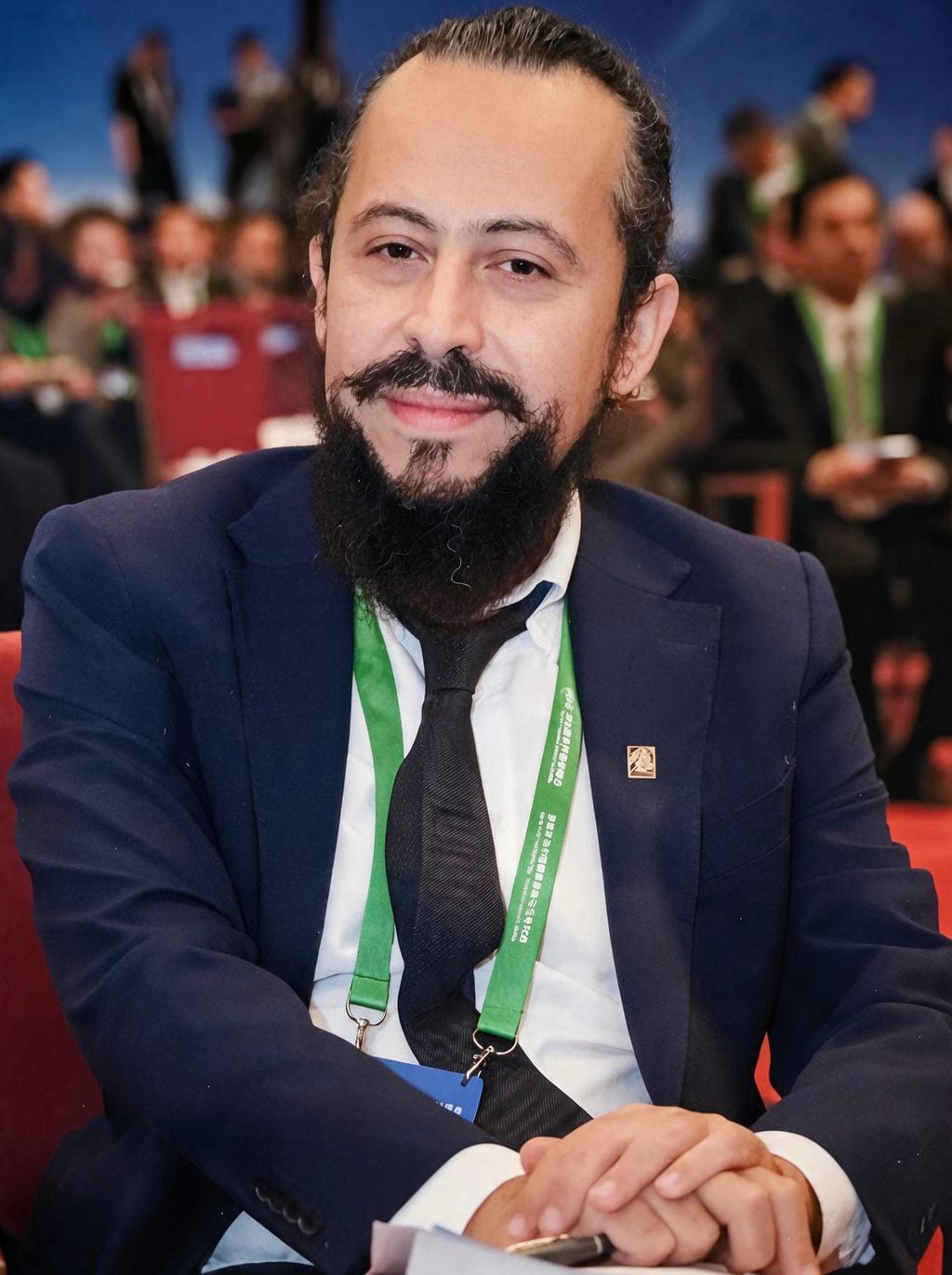
By Bruno Sommer
Founder of El Ciudadano
Obtén tu Pasaporte y apoya a El Ciudadano
Elimina la publicidad, accede a contenido exclusivo y sé parte de la comunidad.
Cancela en cualquier momento · Sin permanencia
Artículos Relacionados
Kast Administration Establishes Permanent Evangelical Chapel at La Moneda, Promoting Religious Presence in Government
Hace 4 meses