Original article: Tres meses de Delcy Rodríguez: petróleo, poder y Trump en la nueva etapa de Venezuela
Three months ago, Delcy Rodríguez took charge as the interim president of Venezuela following the abduction of constitutional leader Nicolás Maduro and his wife, Cilia Flores. Since then, factors such as power dynamics, political maneuvers, oil resources, and the influence of U.S. President Donald Trump’s administration have been pivotal in shaping this new chapter for the Caribbean nation.
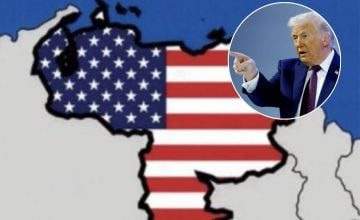
In the early hours of January 3, 2026, Caracas along with the states of Miranda, Aragua, and La Guaira were the scenes of an unprecedented military incursion. Under Trump’s orders, U.S. special forces conducted bombings that resulted in over a hundred casualties among civilians and military personnel, along with numerous injuries.
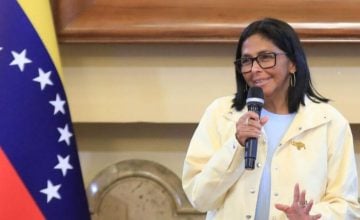
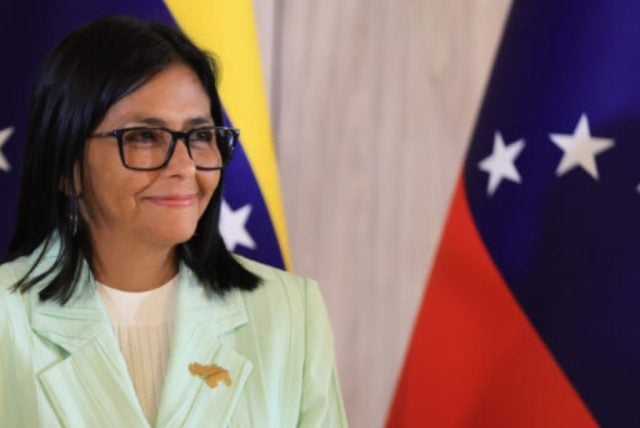
The operation concluded with the kidnapping of Maduro and the First Lady, who were then transported to U.S. territory. In the forced absence of the head of state, the Supreme Tribunal of Justice (TSJ) appointed then-Executive Vice President Delcy Rodríguez as interim president, who was sworn in before the National Assembly on January 5, making her the first woman in history to lead Venezuela.
Cabinet Changes, Amnesty, and Reconciliation
Upon assuming office, the 56-year-old lawyer announced the formation of a Commission dedicated to securing the release of Maduro and Flores, asserting they were being held as hostages in the U.S. She expressed her interest in initiating dialogue with Washington, signaling a willingness to explore diplomatic negotiations and develop a bilateral agenda.
In just over 90 days, Rodríguez’s administration has maintained constitutional continuity and internal peace, aiming to bolster state authority and significantly improve the quality of life for Venezuelans.
According to the prediction market Polymarket, the head of state holds about a 60% implied probability of leading Venezuela through the end of 2026. Meanwhile, a recent Monitor País study by Hinterlaces revealed that 81% of Venezuelans hold a favorable view of her administration.
During her first three months in power, Rodríguez has carried out changes in the leadership of fourteen ministries, four vice-ministries, one sectorial vice-presidency, and the National Investment Center.
Additionally, new appointments have been made within the Armed Forces, including the designation of General Gustavo González López as Minister of Defense, replacing General Vladimir Padrino López, who had held the position since 2014.
Tarek William Saab resigned as Venezuela’s Attorney General, a position he held for nearly a decade, and was subsequently appointed as the acting Defender of the People.
The interim president has also advocated for a General Amnesty Law covering the entire period of political violence from 1999 to the present, which she believes should serve to «heal the wounds left by political confrontation from violence and extremism» and simultaneously «reinstate justice and restore coexistence among Venezuelans.»
Along with this initiative and as part of the reconciliation process, hundreds of individuals imprisoned for their involvement in politically destabilizing activities have been released.

Who Holds the Keys to Venezuelan Oil?
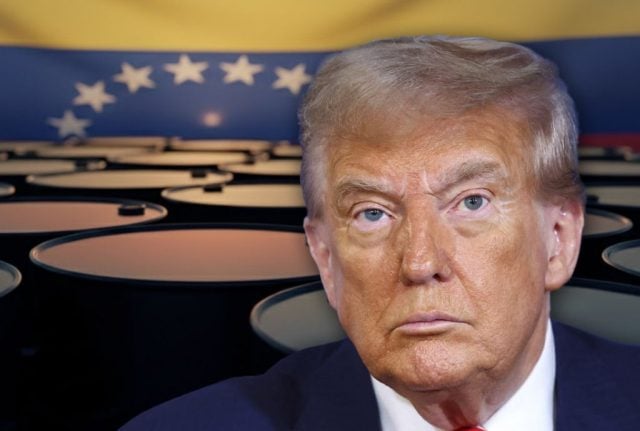
Following Rodríguez’s appointment, Donald Trump announced that the Venezuelan government had agreed to deliver up to 50 million barrels of «high-quality» oil to the United States for trading in the U.S. market.
In a post on his Truth Social platform, he indicated that «at least 100 billion dollars would be invested by major oil companies» from his nation.
According to the mogul, the revenue from these sales, estimated to potentially be worth billions, would be managed under his supervision to «ensure» benefits for both the Venezuelan and American people. He also called on U.S. oil companies to participate and invest in energy projects in Venezuela, which has proven and certified oil reserves exceeding 303 billion barrels.
In response, the National Assembly approved reforms to the Hydrocarbons Law to promote private capital investment in the oil sector. Officials from Rodríguez’s government have dubbed this measure a historic step towards revitalizing the industry and attracting foreign investments.
As a testament to the progress of her economic strategy, the interim president signed the first liquefied natural gas export contract in Venezuelan history and announced agreements with the U.S. for the sale of Venezuelan oil valued at 500 million dollars, facilitating an influx of foreign currency to the Caribbean nation.
Simultaneously, she established two Sovereign Funds to secure and protect oil revenues, aimed primarily at social protection and the development of strategic sectors in Venezuela.

Trump’s Shadow Over Venezuela
In the wake of the military incursion and Maduro’s abduction, the specter of renewed aggression by Trump’s administration against Venezuela looms large.
However, the White House occupant recognized Delcy Rodríguez as «president of Venezuela» and claimed she is doing a «great job.»
«Delcy Rodríguez, who is the president of Venezuela, is doing a great job, and she is working very well with the representatives of the United States,» he stated in early March.
«Oil is starting to flow, and the professionalism and dedication between both nations is wonderful to see,» he commented in a message shared on his Truth Social platform.
Simultaneously, the name of the Venezuelan head of state was removed from the «List of Specially Designated Nationals,» maintained by the Treasury Department based on the activities of countries or entities deemed hostile by Washington.
After seven years of diplomatic rupture, Venezuela and the U.S. agreed to the formal restoration of diplomatic and consular relations. As part of this process, U.S. envoy Laura Dogu reopened the U.S. embassy in Caracas, and Venezuela appointed Félix Plasencia as its new diplomatic representative to Washington.

How Long Will Delcy Rodríguez Remain in Power?
On January 5, Delcy Rodríguez assumed the presidency temporarily following Nicolás Maduro’s abduction. With more than three months passed, her legitimate representation as designated by the Venezuelan Constitution may be nearing its expiration.
According to the Constitution, in the absence of the president, the vice president is appointed, granted an interim period of 90 days which can be extended for another 90 days. If a definitive vacancy occurs, a 30-day period is opened to call for elections.
So far, legislators have yet to conduct a vote to extend the interim term, while the Supreme Tribunal of Justice states that Nicolás Maduro remains the official president of Venezuela, and his «forced» absence resulting from a «kidnapping» temporarily impedes him from fulfilling his duties.
Obtén tu Pasaporte y apoya a El Ciudadano
Elimina la publicidad, accede a contenido exclusivo y sé parte de la comunidad.
Cancela en cualquier momento · Sin permanencia