Original article: Tungsteno: Precios mundiales se disparan
The Western market is facing an unprecedented inventory crisis as APT prices in Rotterdam see weekly spikes of up to $50 per mtu. In India, tungsten scrap has surged by more than 25% in just a week, while China remains cautiously observant, correcting its domestic market downward amid external euphoria.
The global tungsten market has entered a phase of extreme tension, driven by acute raw material shortages in Europe and the United States. The supply chain for this critical mineral—vital for the defense, automotive, and cutting tool industries—is showing signs of strain. While international prices are breaking historical ceilings week after week, the traditionally dominant Chinese market is moving in the opposite direction, favoring rational corrections and cautious waits.
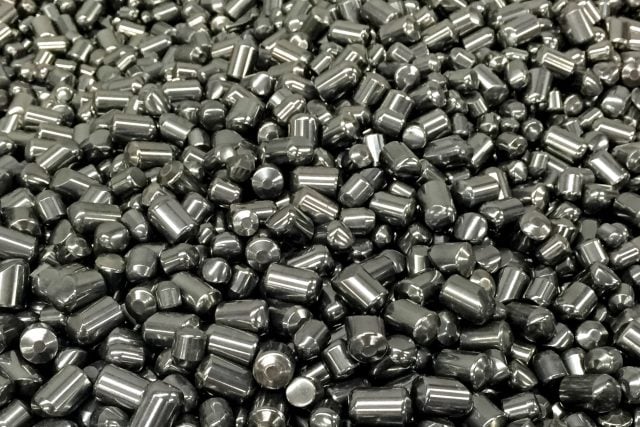
According to the latest data from the Shanghai Metals Market (SMM), buying pressure at the Rotterdam port has elevated the price of ammonium paratungstate (APT), the most commercially traded intermediate product, to a range of $2,150 to $2,250 per metric ton unit (mtu) CIF. The average price sits at $2,200/mtu, reflecting a $50 increase in just one week since March 6. Ferro-tungsten, with delivery at Rotterdam warehouses, has also been swept up in the bullish trend, averaging $295 per kilogram of tungsten—$40 more than the previous week.
However, the most alarming data for the sector comes from the scrap market. The latest SMM survey, as of March 16, revealed that India’s FOB quotes for tungsten alloy inserts have escalated to a range of $142 to $158 per kilogram. Simultaneously, European rates for the same product are fluctuating between €130 and €140 per kilogram. In both markets, prices have risen by more than 25% week-on-week, a surge confirming a structural shift in supply and demand dynamics.
«Every Transaction Drives Prices Higher»
The source of this crisis lies in inventory levels. According to SMM surveys, the raw material stocks of most European and American producers are nearly depleted. The demand for purchases is urgent, and end buyers have surged into the market with active inquiries that, far from stabilizing values, have created a vicious cycle: nearly every completed transaction further inflates APT quotes.
Last week, this imbalance led to extreme prices in spot transactions. Market sources reported that some desperate buyers paid between $2,700 and $3,000/mtu to secure immediate material. Although the volumes traded in these instances were extremely limited and do not represent the general market average, analysts interpret these transactions as a clear symptom that prices still have room to rise as long as the supply-demand imbalance persists.
“The tungsten raw materials market has clearly shifted to a seller-dominated pattern,” states the SMM report. “Supplier negotiating power has significantly strengthened.”
India: Coping with Scrap Shortages and Rising Energy Costs
In India, a key hub for tungsten recycling and processing, the situation is particularly critical. The scrap market is facing dual pressure. On one side, input prices continue to skyrocket while the volume of circulating resources drastically shrinks, complicating and increasing purchase costs. On the other hand, natural gas prices are on an upward trend, exponentially elevating production costs.
An SMM-consulted sodium tungstate producer explained the magnitude of the problem: their raw materials fundamentally rely on hard metal scrap and catalysts, both of which are currently difficult to source in the Indian market. “The roasting process largely depends on energy,” the manufacturer noted, warning that the company is facing significant cost pressures and has fallen into production stagnation.
The significance of this situation transcends Indian borders. Sodium tungstate is a key raw material source for APT production in India and Vietnam. Sector sources indicate that supply in this segment is nearing complete disruption, further aggravating raw material shortages across the Southeast Asia region.
Vietnam and China: Frozen Supply and Endless Logistics
The situation in Vietnam is similarly grim. According to SMM’s survey, Masan’s APT resources, one of the region’s main producers, are currently exhausted. The company is in the process of relocating its mining area from the old mine to a new one, which has drastically reduced its total production to extremely limited levels. Analysts agree that it is unlikely the company will be able to create an effective supply in the short term.
Meanwhile, exports from China, the world’s largest tungsten producer, continue to face multiple limitations. The Asian country has historically restricted the outflow of strategic raw materials such as APT, but current logistical and administrative issues have extended delivery times. From the application approval to the cargo’s arrival at the Rotterdam port, it takes between three and four months.
Adding to this delay is the impact of geopolitical conflicts, which have undermined the stability of European shipping routes, creating additional uncertainty in the supply chain. In this context, with demand driven by end-user orders outside China maintaining urgent levels, the CIF Rotterdam transaction price for APT continues to hit new highs.
A Market Split in Two
In contrast to the buying frenzy gripping Europe, America, and India, the Chinese tungsten market is charting a different course. While prices soar beyond its borders, within the giant Asian nation, the market has pulled back from its recent high levels. Local operators have adopted a prudent and rational approach, cautiously observing external volatility.
Industry analysts suggest that the price gap between the domestic and external markets could continue to widen in the coming weeks if supply shortages in Western markets persist and Chinese logistical restrictions are not alleviated. For industries relying on tungsten—from automotive to aerospace and defense—this phenomenon is not merely a fluctuation in raw materials but a harbinger of potential bottlenecks in global production.
As the industrial world closely monitors the port of Rotterdam and processing plants in India, a certainty is beginning to solidify within the sector: the era of cheap and abundant tungsten seems to have come to an end, at least for now.
Artículos Relacionados
Copper Prices Reach Historic High Amid Supply Issues and Stockpile Concentration in the U.S.
Hace 3 meses

Copper Prices on the Rise: Cochilco Projects US$4.95 per Pound in 2026 and US$5.00 in 2027
Hace 2 meses