Original article: VIDEO | “Mis amigos están muertos”: periodista muestra la devastación en pleno centro de Teherán tras bombardeos de EE.UU. e Israel
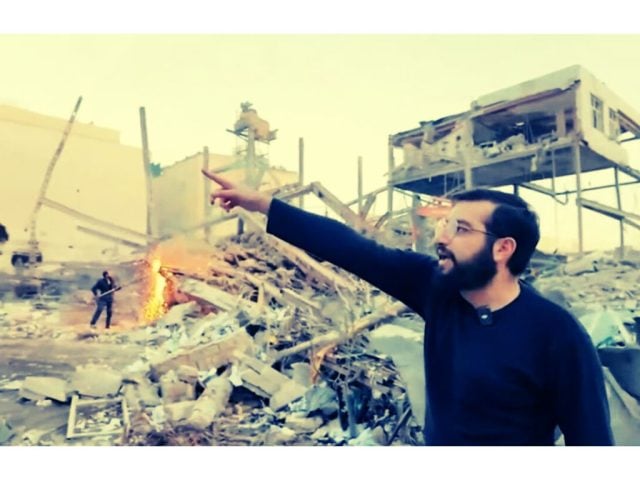
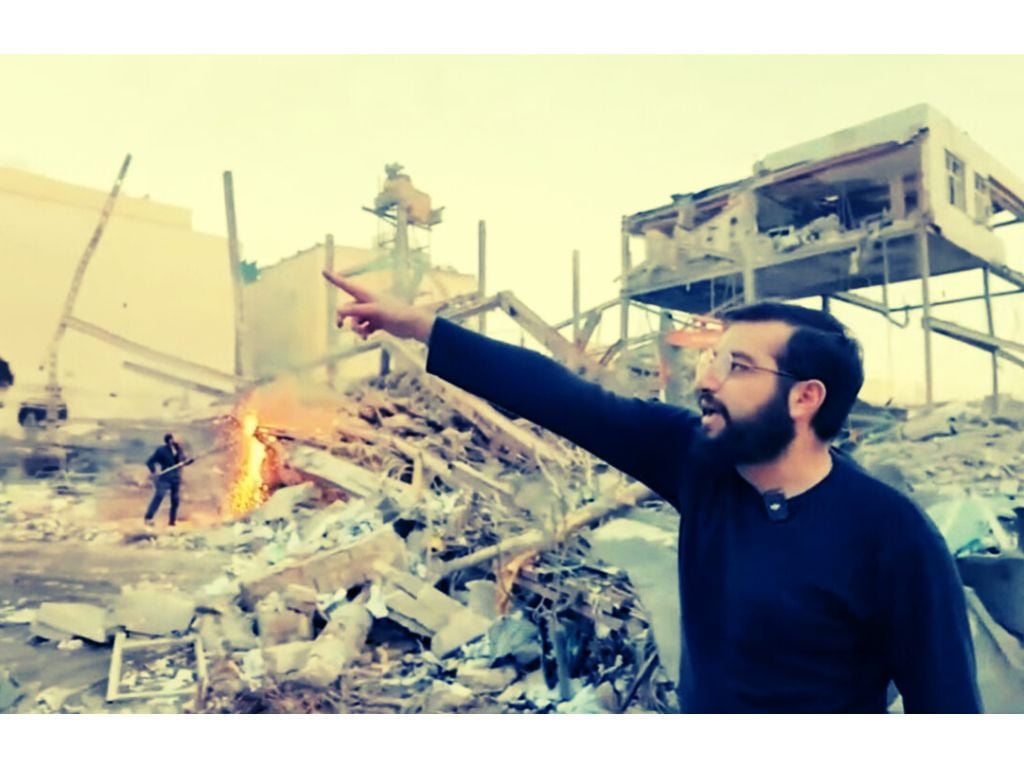
Journalist Amin Sabouri walked through the heart of Tehran following recent bombings by the United States and Israel, capturing on video the devastation left in one of the city’s most bustling areas.
The footage was sent directly to the editorial team at El Ciudadano by Sabouri himself, with a clear aim: to provide real images from the scene amidst the digital noise, where fake news, manipulations, and misinformation proliferate regarding the events unfolding in Western Asia.
The recording was made in Nilufar Square, a location famous for its restaurants, cafes, and shops. What now appears on camera is the stark contrast to that everyday life: damaged buildings, shattered storefronts, and streets filled with debris. «Here we are in the center of Tehran, in Nilufar Square,» the journalist states as he begins his tour. «Here is the police station for this area,» he adds, showcasing the structure that has been severely damaged in the attacks.
Special report for El Ciudadano from Iran | Bombing by the United States and Israel in Nilufar Square in the center of Tehran, Iran 🇮🇷. pic.twitter.com/LU3i5NIrKl
— El Ciudadano (@El_Ciudadano) March 4, 2026
A Vibrant Neighborhood Reduced to Ruins
As he moves through the devastated area, Sabouri highlights the commercial spaces that were once part of the neighborhood’s daily life.
«We can see the shopping center here… downstairs there are restaurants,» he explains. The camera reveals destroyed facades and spaces that recently functioned as meeting points for locals and visitors.
Nilufar Square was renowned for its cafes and eateries. «Here we can see the restaurants where people used to dine,» the journalist recounts. He then poses a question that encapsulates the impact of the attack: «And now where are they?»
At another point in the video, he points out a completely destroyed café. «Here is a café, a place I personally visited several times,» he shares.
The following statement underscores the most poignant part of the footage: «But now I can’t, because my friends are dead there.»
«What Is This Liberation?»
Throughout the video, Sabouri challenges the justification that these attacks aim to ‘liberate’ the Iranian people.
«The United States and Israel bombed this site to liberate the people, so that during protests, people can come out to demonstrate,» he states in front of the ruins.
He then poses a direct question: «But at what cost?»
The journalist surveys the destruction around him and adds, «Please, United States, you want to liberate us… okay. Tell us where these people are.»
The critique becomes even more explicit at the end of his tour. «What is this liberation? We don’t want it. Leave us in peace,» he says.
An Escalation Hitting Cities
The images captured in Tehran come amid the rising military escalation in Western Asia, where tensions between Iran, Israel, and the United States have been increasing through attacks, threats, and warnings of further reprisals.
This situation has put several countries in the region on high alert and raised international concern over the potential for a larger confrontation.
However, beyond geopolitical discussions, the video recorded by Sabouri reveals something much more immediate: the direct impact of war on spaces where daily life was just continuing.
Restaurants where people dined, cafés that served as gathering spots, and streets bustling with commerce now appear reduced to rubble.
From the center of Tehran, the journalist summarizes this harsh reality with a phrase that resonates throughout the footage: «My friends are dead.»
Relacionados
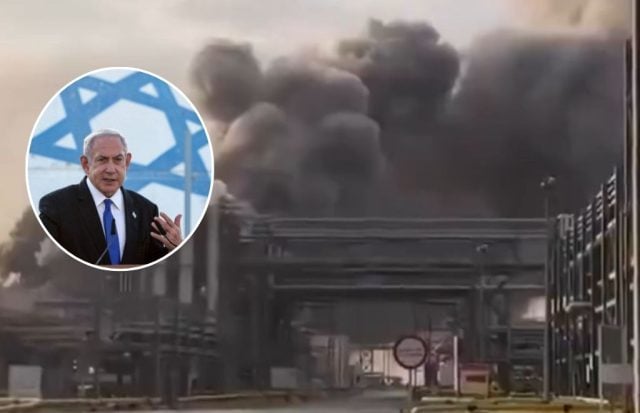
Accusations of 'False Flag' Operation: Israel Allegedly Attacks Aramco to Divert Attention from Bombings in Iran
Hace 24 horas
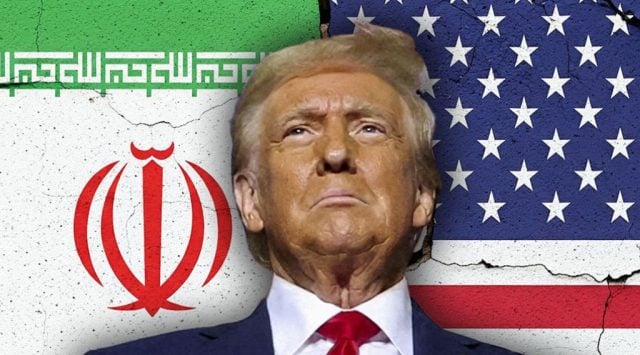
Trump Threatens to 'Erase Iran from the Face of the Earth' as Tehran Vows Full Military Response
Hace 1 mes
Iran Blames Israel in Epstein Case: "To Promote Political Objectives, Particularly the Israeli Regime"
Hace 3 semanas