Original article: Comunidades de Wadalafken presentaron propuesta de compatibilización en Comité Técnico de la CRUBC Los Ríos
On January 5, 2026, a presentation was held outlining a twelve-point document that analyzes overlaps and proposes a polygon to ensure respect for and recognition of customary uses. This is part of the reactivation of claims regarding the reduction of the ECMPO to 3% in May 2025.
The Marine Coastal Space of Indigenous Peoples (ECMPO) Wadalafken filed a claim on July 15 with the Regional Coastal Use Commission (CRUBC) of Los Ríos due to the reduction of its application by 3%. The claim was suspended on August 26, 2025, at the request of the Municipality of Corral and with the support of the Federation of Pelagic Fishermen of Valdivia (FEDARPEL), who presented evidence that raised doubts about the process.
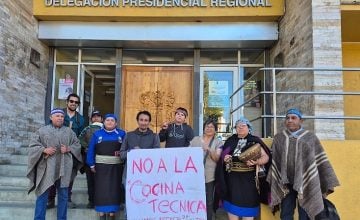
On December 26, 2025, the formal process of reclamation by the lafkenche communities of the Wadalafken Association resumed after a ruling from the Regional Comptroller’s Office, which supported the communities’ right to protest.
The Comptroller’s Office, in its November 13 statement, noted: «It should be pointed out that it was not legally appropriate for the CRUBC to submit to voting (failed) among its members the decision regarding the admissibility of the resource in question, as it is evident that this entity does not have that authority or function under Law No. 20.249 nor in the regulations of that legal framework. This must be kept in mind in future actions.”
Thus, on December 26, the process was resumed to discuss the resource and the technical evaluation of the shortcomings that the communities claim are not in accordance with the law and lack legal and administrative foundation. Therefore, they indicated that during the suspension of the process, they made various efforts to advance agreements and compatibility initiatives with other uses along the coastline, which resulted in a proposal.
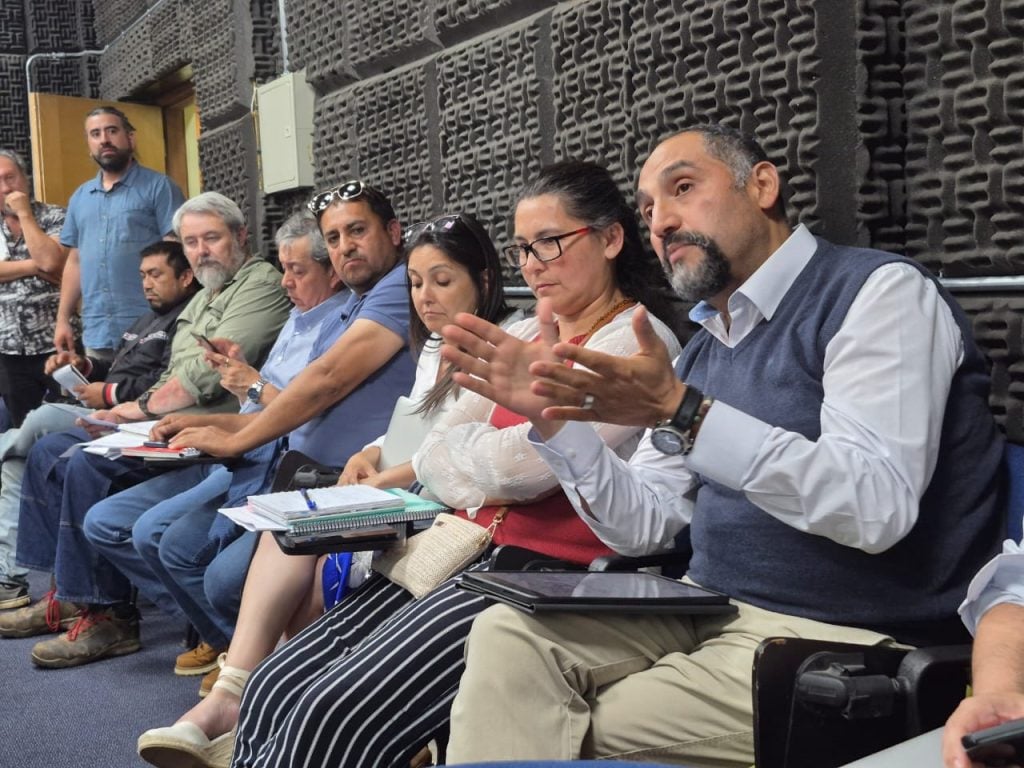
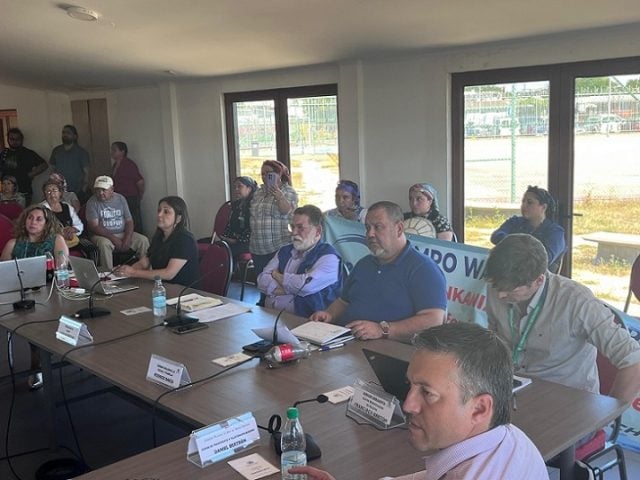
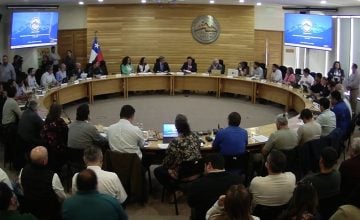
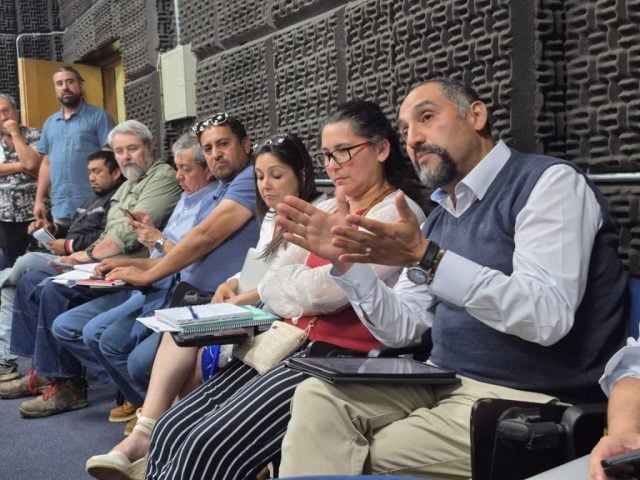
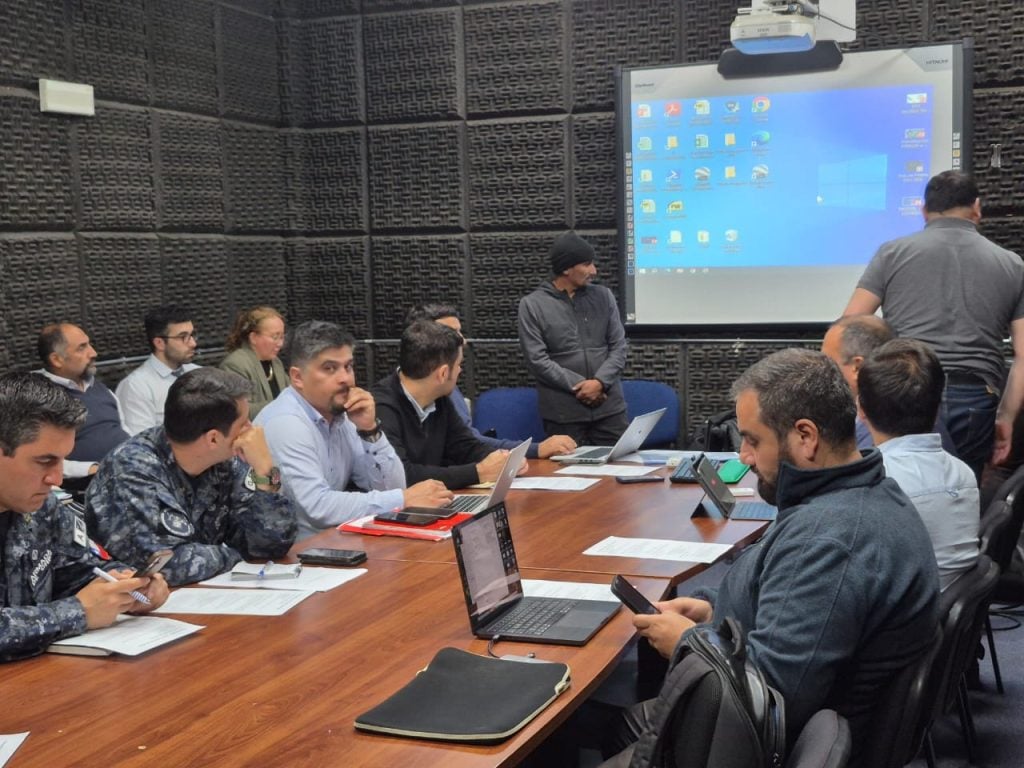
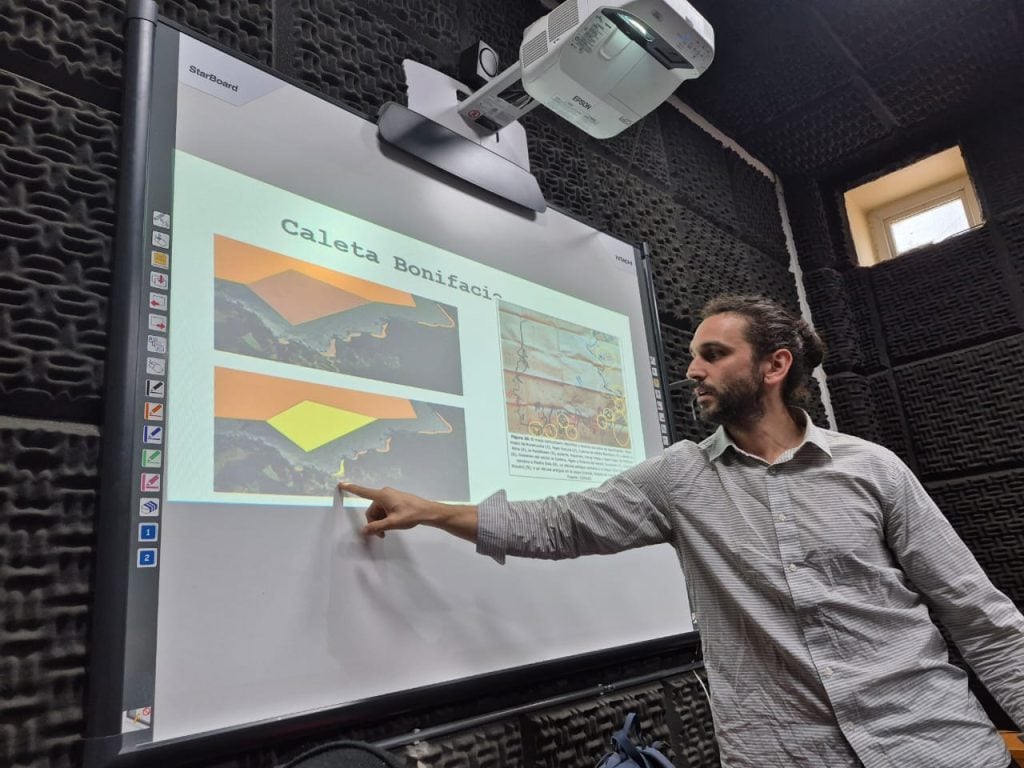
The first session of the CRUBC Los Ríos Technical Committee took place on Monday, January 5, at 3 PM at the regional governor’s office. It featured the presence of various central and regional technical services, representatives from artisanal fishing, and lafkenche Mapuche communities. The ECMPO applicants presented a twelve-point document outlining their proposals for reconciling uses and adjusting the original polygon, which represents 66% of the initial request.
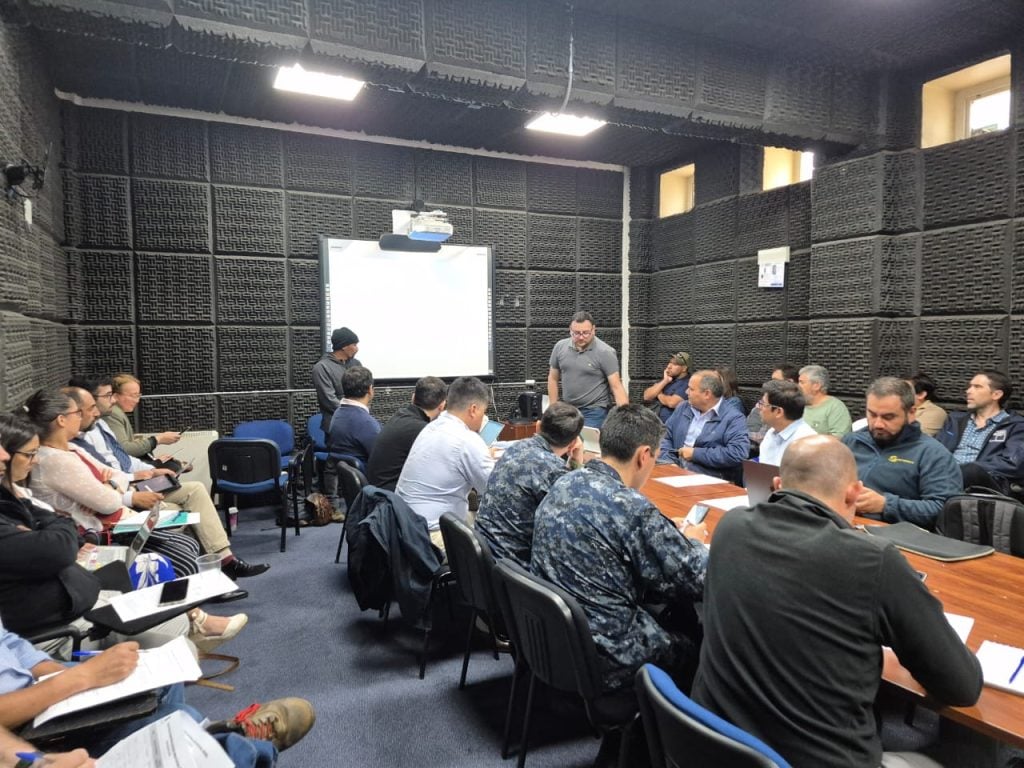
Sergio Quinan, coordinator of the Wadalafken Association, stated that «We presented our arguments and the commitments we worked on to address some concerns that certain services have for approving the ECMPO. We analyzed and addressed all those opinions and incorporated them in our proposal to avoid potential conflicts. We hope for a positive outcome.”
The lawyer representing the communities, Felipe Guerra, noted, «The communities presented a polygon proposal to adjust the coastal space application to make it compatible with public investment, artisanal fishing, small ports, and AMERB requests. There has been a positive reception from the attending organizations, and we hope to advance in dialogue. The communities are willing to engage.”
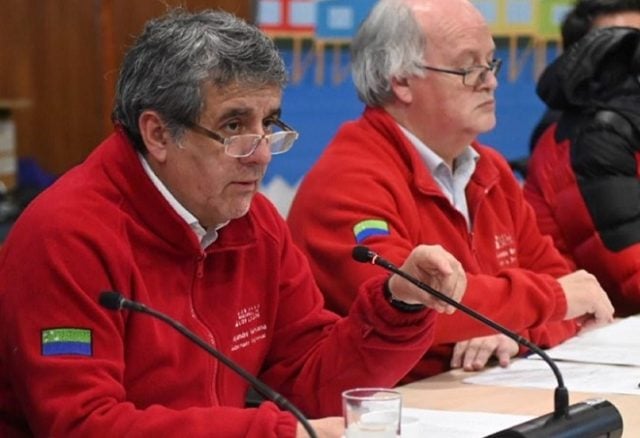
Additionally, Luis Cuvertino, regional governor, commented on the Indigenous rights recognized by the State of Chile, stating, «Our role as a Commission is precisely to harmonize the various interests that converge on the coastline, always respecting the rights of Indigenous peoples, current legality, and institutional dialogue as a fundamental tool for progress.”
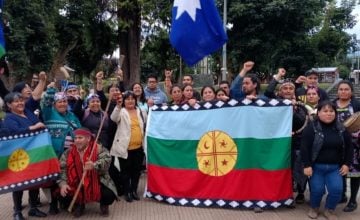
The communities issued a statement on January 2, asserting that the exercise of Indigenous rights is a responsibility of the State of Chile at the international level and enshrined in Chilean legislation, such as the Lafkenche Law. «Our position is clear: we want to protect our marine territory while contributing to the well-being of all communities and neighbors who depend on the sea.”
Important Dates in the Process
- Monday, January 5 – First Technical Committee.
- Wednesday, January 7 – Second Technical Committee.
- Thursday, January 8 – Voting.