Original article: “Buscamos frenar el desmantelamiento institucional del Estado”: abogada Paulina Zamorano expondrá ante la CIDH en Washington sobre retrocesos en DD.HH. en Chile
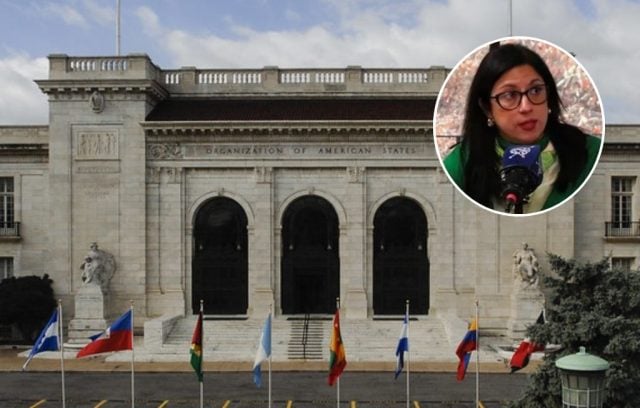
The Inter-American Commission on Human Rights (IACHR) has summoned for this Wednesday, August 5, a hearing in Washington to review evidence regarding measures adopted during the initial months of the administration of José Antonio Kast. This session was requested by human rights organizations and will analyze memory, reparation, and prosecution programs for crimes against humanity in Chile.
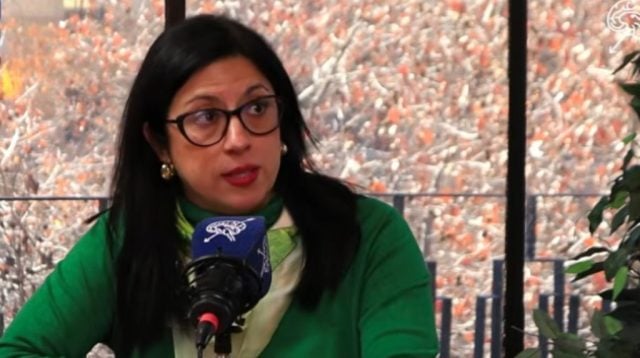
Attorney Paulina Zamorano, a member of the Network of Observers in Justice and Memory, will participate in this hearing and indicated that they will address «four main points concerning administrative policies that have been adopted and their impact on human rights within the State.»
In a conversation with the program Sentido Común!, hosted by director Javier Pineda Olcay, she stated that through this presentation, civil society organizations and human rights defenders in Chile aim to inform the Commission of the gathered evidence and evaluate its relation to the State’s international obligations, with the goal of «halting the institutional dismantling of the State.»
Zamorano explained that they will present a collection of evidence, including the dismantling and elimination of human rights institutions in the State, the current budget readjustment that «prevents the various institutions from fulfilling their obligations and, above all, responding to international obligations in this area,» which includes the elimination of 142 social programs from the State, such as the School Feeding Program (PAE) by Junaeb, the Teacher Support Grant, and the Free Higher Education subsidy.
«When we talk about dismantling the human rights unit, we are looking at not only the National Search Plan but also other institutions and programs of the State, such as the unit responsible for investigating regular adoptions, as well as the unit that was in charge of investigating and seeking recommendations regarding the violations that arose during the social upheaval, which have also completely disappeared, with their functions assumed by the Cabinet. This means there are no technical or professional capacities to address these issues. However, this issue is not limited to the Ministry of Justice; we found it also occurring in other State departments, such as the Ministry of National Assets, where the unit for human and indigenous rights, along with gender units at the national level, has been dissolved, thereby neglecting various topics and social programs beyond just national justice,» she expressed.
Zamorano highlighted that according to organizations’ estimates, over 1.8 billion pesos have been cut from the State, «without any evaluation regarding the functioning of those programs.»
«This indicates a considerable reduction in the ability to implement such policies,» she emphasized.
Passive Pardons, Funding for Memory Sites, and Halting the Expropriation of the Former Colonia Dignidad
One of the most significant points of this presentation will address the State’s changing response to requests for penitentiary benefits for those convicted of crimes against humanity and serious human rights violations committed during the dictatorship of Augusto Pinochet, as the Kast administration has ceased to oppose requests for early release or house arrest, which they have termed «passive pardons.»
«This is a term we coined regarding the prohibition on the program from intervening in requests regarding the compliance of those responsible for severe human rights violations,» Zamorano noted.
«We have calculated 44 requests for early release, either through direct requests to the courts or through protective measures or appeals; the program has only acted in three cases. This is very minimal considering the number of requests being presented to the courts, especially since it has not participated in cases where it should have intervened and has not informed the families, which is very grave. Cases like those of the Colombo Operation show that there are four agents who did not participate in the Human Rights Program, as well as agents from the Condor Operation and those responsible for the Paine Case. There are many significant cases involving agents who were direct perpetrators of the various crimes, where the program has not participated due to instructions from the authorities to abstain from involvement,» she explained.
They will also address the international organization regarding the financing issues surrounding memory sites, linking it to budgetary constraints and the weakening of public programs associated with truth and reparation.
Additionally, she mentioned that during the hearing, the organizations will express their rejection of the Executive’s decision to halt the expropriation of part of the former Colonia Dignidad, a site that carries a history of abuse, pedophilia, and human rights violations.
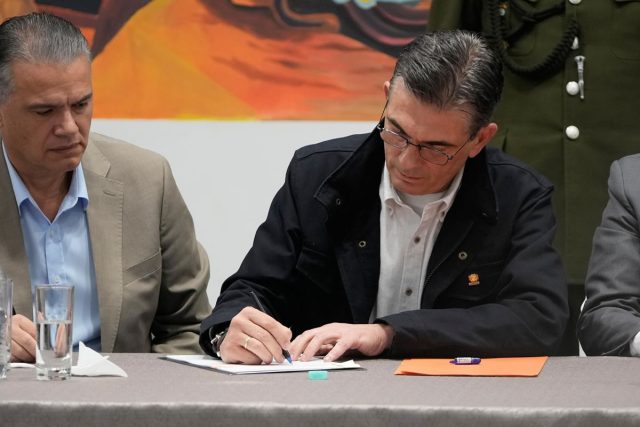
In her conversation with Sentido Común, the attorney was asked about the performance of Justice Minister Fernando Rabat over the past four months, who served as a defender of dictator Pinochet in cases like Rigs and Operation Colombo and has led the dismantling process pushed by the Kast administration.
«I believe there is a direct impact on the obligation to sanction and ensure that appropriate and proportional penalties for the crimes committed are upheld,» she affirmed.
Zamorano emphasized that this Wednesday, August 5, while the IACHR hearing takes place in Washington, several convocations will be held nationwide.
«We will be holding a series of meetings with human rights organizations, keeping everyone updated about the next steps, and working collaboratively on the recommendations that will be made to the Chilean State by the Inter-American Commission. We make the suggestions, but ultimately, the decision will be made by the State and the Commission,» she stated.
You can watch the full interview with attorney Paulina Zamorano on Sentido Común below:
Obtén tu Pasaporte y apoya a El Ciudadano
Elimina la publicidad, accede a contenido exclusivo y sé parte de la comunidad.
Cancela en cualquier momento · Sin permanencia