Original article: WWF Chile: «La COP31 no estuvo a la altura del momento para un mundo a 1,5 °C»
WWF Chile Critiques COP31 for Failing to Address Climate Crisis Effectively at 1.5 °C Goal
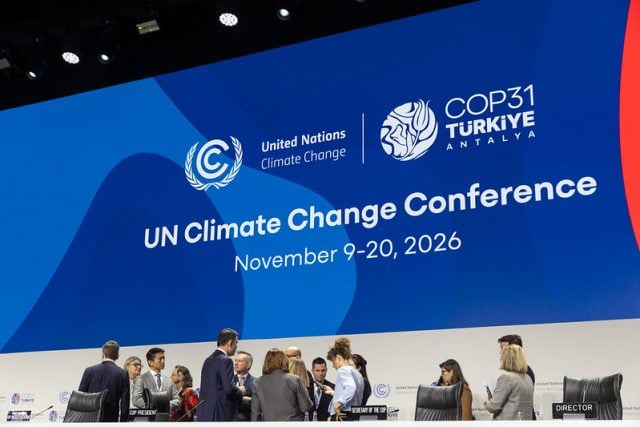
«In a climate crisis, every step matters, and unfortunately, COP31 did not meet expectations,» stated WWF Chile following the conclusion of the global summit in Turkey.
According to the international NGO, COP31 «was supposed to establish a clear shift from negotiation to the implementation of climate action, and it failed to do so.»
«The roadmaps from the COP30 presidency regarding Fossil Fuels and Forests were neither acknowledged nor welcomed. There was a dangerously heavy emphasis on carbon capture technologies, which do not substitute for emission reductions,» WWF Chile officials emphasized.
One aspect that generated significant expectations was the coverage decision project, a general political text proposed by the COP presidency summarizing the meeting’s agreements. In this instance, WWF Chile noted that the document «showed minimal progress towards preventing temperature increases beyond 1.5 °C and acknowledged the role of science and the IPCC in the UNFCCC process.»
«A greater focus on the ocean was also positive, and this effort should not be overlooked, but there remained evident gaps in the transition to move away from fossil fuels, in strengthening resilience, and in securing more funding for developing countries,» they pointed out.
As a result of numerous objections regarding the lack of ambition raised by a significant group of developing and developed nations, the text was ultimately rejected. «WWF supports the brave stance of those parties in light of a weak text,» the NGO remarked.
The ‘Super Niño’ Factor
With the heightened impacts of the El Niño phenomenon, WWF highlighted that «the lack of progress in funding for adaptation is regrettable and will have real consequences for the lives and livelihoods of the most vulnerable communities on the planet and also for fragile ecosystems.»
«In stark contrast, the participation of all sectors of society in the Global Action Agenda at COP31 demonstrated that solutions exist and that the efforts of communities, cities, and businesses are real, despite what occurred in the negotiation rooms. The Antalya deficit is a tangible setback, but it has not halted climate action, nor will it,» they stressed.
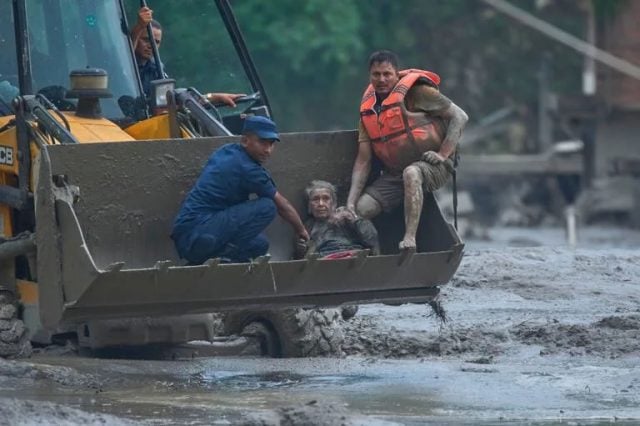
Ricardo Bosshard, director of WWF Chile, pointed out that the country «is facing an extreme risk of wildfires this summer (…) having already suffered unprecedented catastrophes in various parts of the country this year,» leading him to conclude that «the outcome of this COP is, at the very least, concerning.»
«The evidence has long indicated that nothing will be sufficient if we do not move away from fossil fuels, and this is one of the main areas where we are failing. We appreciate the focus on the oceans, key allies in climate, and the efforts of communities, cities, and businesses, but unfortunately, the official negotiation space seems to overlook these concerns and efforts that are already transforming regions,» Bosshard stated.
In the same vein, Roberto Troya, Regional Deputy Director for Latin America and the Caribbean at WWF, recalled that «Latin America and the Caribbean arrived in Antalya demanding ambition and science-based decisions. The region knows what is at stake, because it experiences daily the impacts of extreme weather events, particularly this year with El Niño, while hosting essential ecosystems for the balance of the global climate.»
«Thus, it is unfortunate that COP31 did not rise to the occasion of that call. We commend countries like Panama for insisting that the text recognize the need to move away from fossil fuels. This constructive voice reflects a region that not only seeks support but is already contributing solutions. The challenge now is to translate that position into implementation and adaptation financing, ahead of COP32; we can no longer afford to wait,» Troya warned.
Lastly, Fernanda de Carvalho, director of Climate and Energy Policies at WWF, commented that «there is no easy solution to such a dire crisis.»
«One cannot solve a problem that one does not wish to name. A legal obligation clarified by the International Court of Justice cannot be ignored. The world needs credible pathways to limit temperature overshoot and begin to lower temperatures again, and all of them require a phase-out of fossil fuels,» she concluded.
We will continue to provide updates.
Obtén tu Pasaporte y apoya a El Ciudadano
Elimina la publicidad, accede a contenido exclusivo y sé parte de la comunidad.
Cancela en cualquier momento · Sin permanencia