Original article: YOUNGO 2026: Santiago se convierte en el epicentro geopolítico del debate climático juvenil latinoamericano
For the first time, Chile hosts the largest UN climate diplomacy forum in the region, YOUNGO. Over 200 delegates from 18 countries are convening to demand real action leading up to COP31. Thus, YOUNGO 2026 in Santiago becomes the epicenter of the Latin American youth climate debate, bringing together diverse voices aimed at influencing the international agenda.
From Thursday, October 8, to Sunday, October 11, the San Joaquín Campus of the Pontifical Catholic University of Chile will serve as the main venue for the Regional Latin American Conference on Childhood and Youth regarding Climate Change (RCOY LATAM 2026). This historic milestone will gather more than 200 international delegates from 18 countries, along with state officials, congressional representatives, and members of the diplomatic corps.
Over the course of four days of intensive work, delegations will draft and sign the landmark «Santiago Agreement» and present the «Latin American Cartographic Declaration of Childhood and Youth on Climate Change.» Both documents will solidify the demands and proposals from the region, which will be officially presented with binding authority at the upcoming COY21 and in international negotiations for COP31.
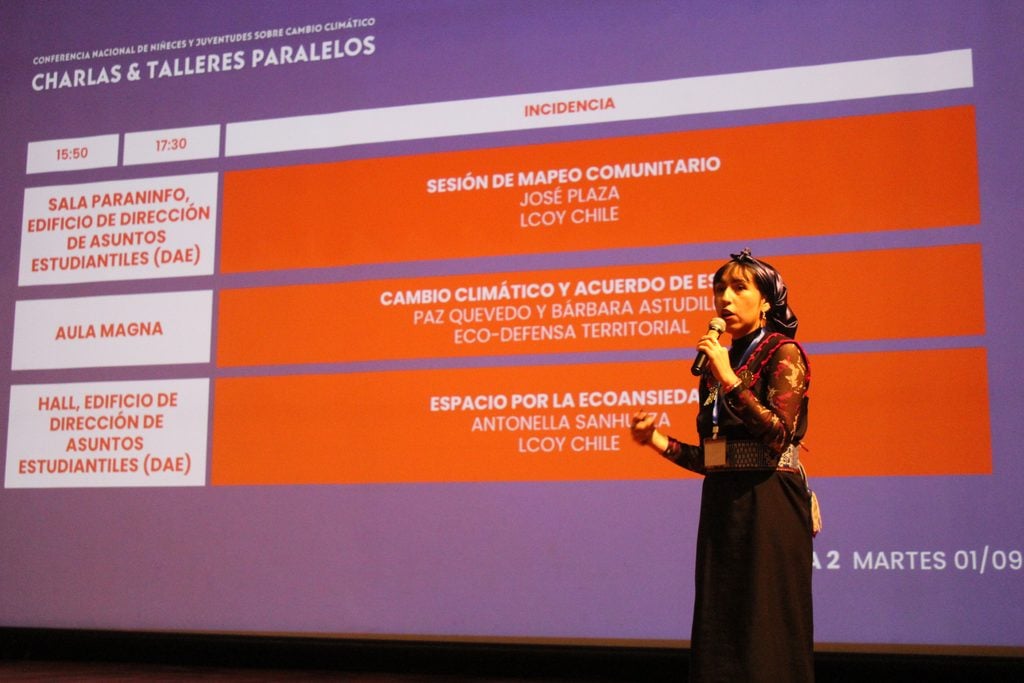
For the organizers, this gathering transcends technical discussions and establishes a profound exercise in diplomacy and social connectivity. Nicolás Letelier García, a Language and Communication Education student at the Austral University of Chile (UACh), who is also part of the conference’s logistical coordination, explains that this year’s focus aims to connect the territorial diversity of the continent. «Through our Cartographic Declaration, we have outlined the ‘Hummingbird Route’ from Mexico to Chile, crossing through the countries of the region to dialogue about the world we want. It is crucial for children and youth to have the real ability to influence our reality and construct that future,» he states.
The coordination representative emphasizes that this participatory process demands deep empathy and community responsibility: «This participation carries immense social responsibility. Wanting to build also means listening to one another, knowing their realities, and thus understanding and respecting each other, allowing for coexistence.»
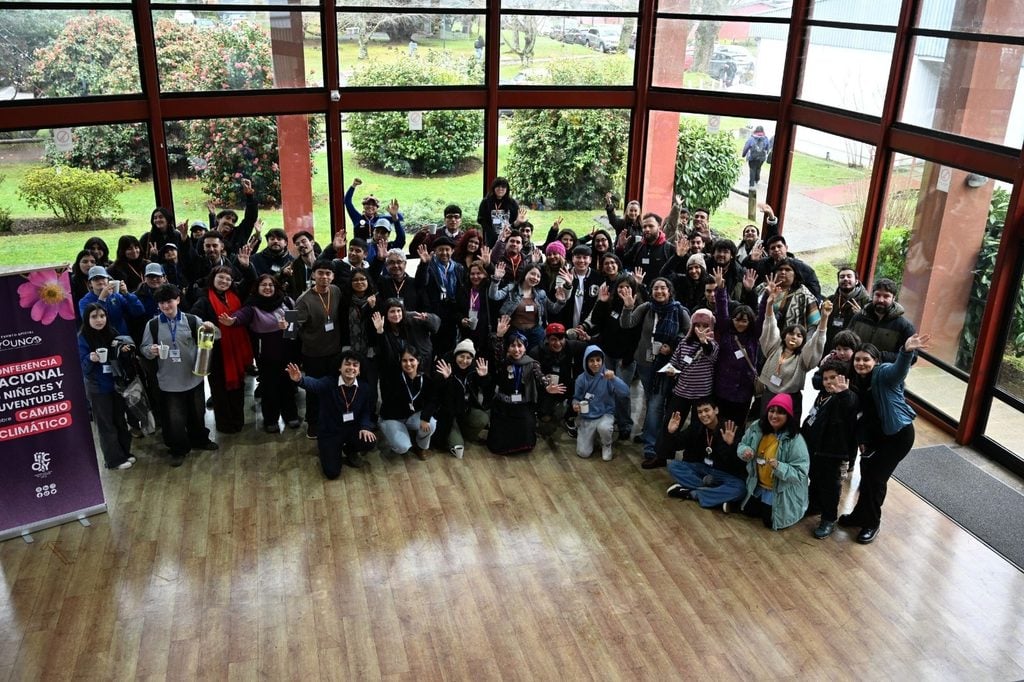
Finally, Letelier stresses that the socio-ecological emergency requires moving beyond adult-centric decision-making: «Uniting the world in the face of this crisis is not solely an adult task; childhood and youth also play a fundamental role in this process,» he concludes.
Obtén tu Pasaporte y apoya a El Ciudadano
Elimina la publicidad, accede a contenido exclusivo y sé parte de la comunidad.
Cancela en cualquier momento · Sin permanencia