Original article: «Las cumbias que escuchamos allá arriba»: Exposición multimedial sobre 2 mujeres aymaras propone un nuevo y actual diálogo intercultural
Five years of dedicated journeys from Valparaíso to the Quebrada de Chiclla (Iquique, Tarapacá Region) have strengthened the friendship between photographer Fernanda Soto Mastrantonio and Deisy González Vilches, an Aymara woman living between Alto Hospicio and her family’s property, situated in a mining area at 4,500m near the Bolivian border.
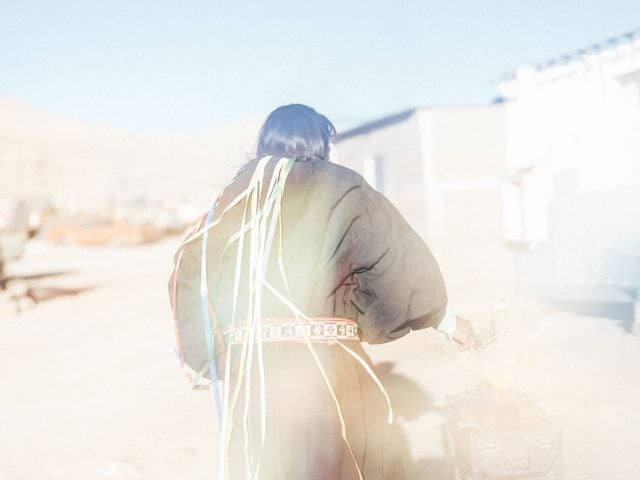
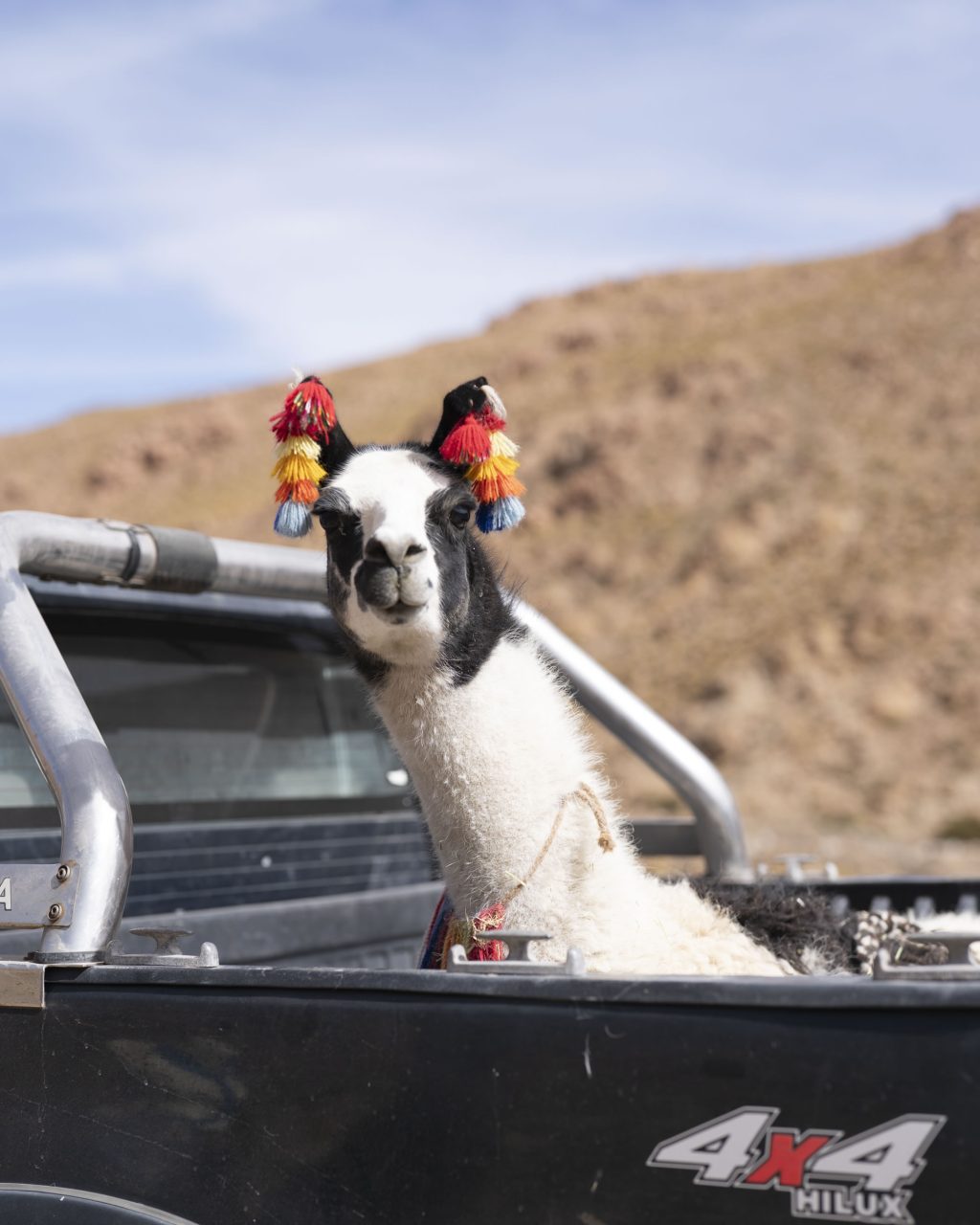
This powerful encounter has led to «The Cumbias We Listen to Up There,» a multimedia exhibition that narrates the daily life of Deysi and her mother in the countryside. The photographer captures the landscapes and sounds accompanying their work in raising llamas and alpacas, creating a contemporary intercultural dialogue through these visual records.
The exhibition will open at the Casa de la Cultura in Iquique on Wednesday, May 6, at 18:30, and will feature the project team: Fernanda Soto Mastrantonio, exhibition curator Carolina Agüero, and Deisy González Vilches along with her mother, Mirta Vilches Flores. The event is open to the public and admission is free.
«The origin of this project began in 2021 when I was commissioned to portray women from Indigenous communities involved in the Originarias Program by UN Women. I spent a month and a half traveling to various locations, photographing nearly 50 women, including Deisy. We formed a genuine friendship, and I was deeply moved by her strength,» explains the exhibition’s creator.
«Deisy’s activity involves raising llamas and alpacas for wool production, which she sells once a year. The animals require daily care, a responsibility that she and her mother undertake in complete solitude,» adds the photographer and researcher.
In this context, Deisy González shares, «To this day, we have continued to stay connected, both in the project and in our friendship, because she knows a significant part of our lives, our history.»
Multiple Phases
Fernanda Soto recently presented the photo book «Casa Piedra,» which captures part of her artistic work focused on human rights and segregation.
Regarding this project, she comments, «We have gone through different stages where women have often been represented in a very anthropological, even dismissive manner, yet at other times, the Andean image has been overly glorified, for example, in the ‘El Rosto de Chile’ exhibition in the 1960s.»
«We have swung from one extreme to the other and have often failed to portray a more realistic, closer, and inclusive perspective. In this exhibition, we aim to share a new way of approaching intercultural dialogue, rooted in the relationship between two contemporaneous women from different universes who cross paths through photography,» emphasizes the photographer.
Thus, in 2025, Fernanda Soto was awarded a National Fondart grant to create a photographic exhibition that would facilitate citizen encounters with diverse interpretations of the enduring imaginations and stereotypes surrounding Indigenous peoples, particularly the Aymara.
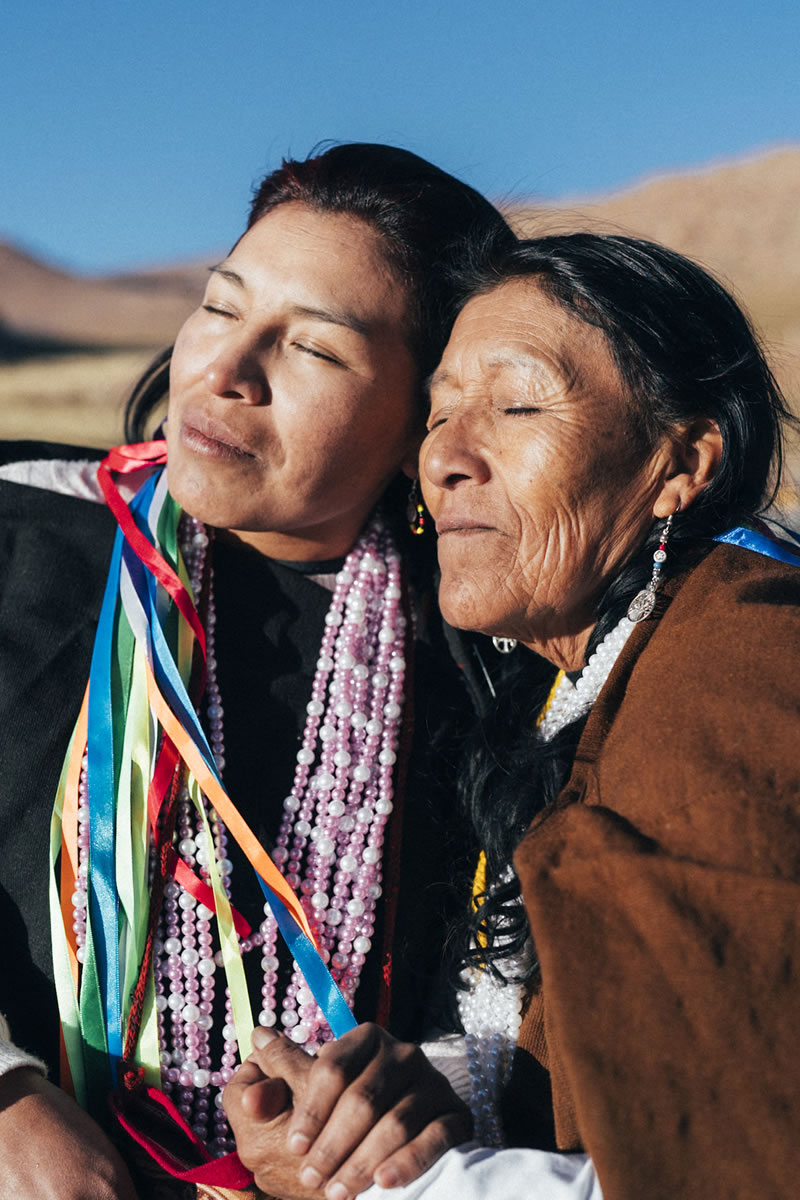
Up There Where They Listen to Cumbias
In total, over 20,000 photographs were captured during 10 field trips by Fernanda to the Quebrada de Chiclla. From this collection, between 80 and 90 images have been selected for the exhibition «The Cumbias We Listen to Up There.»
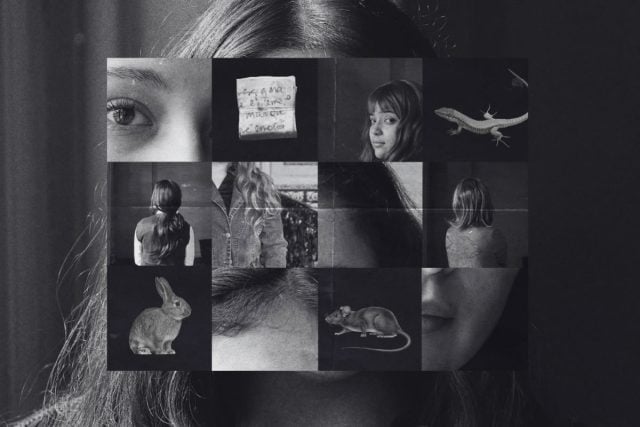
The installation, defined as a visual constellation oscillating between night and day, will be accompanied by an audiovisual document featuring testimonies, voices, territories, and contexts of Deysi’s life as well as the various encounters with the author.
Carolina Agüero, the exhibition curator, notes that the proposed installation in the gallery also incorporates a photographic archive, «their memories and daily life. I connected the imagery with the friendship that has developed over five years of documentary recording of Deysi and her mother’s personal lives, bringing a contemporary and minimalist language to the presentation.»
In this vein, Carla Möller, in the curatorial text for the exhibition, highlights the transformative political pulse of photographic practice as an act of coexistence.
«What was offered to our gaze was the territory, the rituals, and the bodies alive: ultimately, a tapestry of moving subjectivities activated by the sensitive bond of being there with Deysi,» shares Möller, providing a roadmap to explore the exhibition.
Exhibition to Be Held in Valparaíso
Given the exhibition’s significant mediating potential, the first invitation is extended to the local community in Iquique, particularly high school and university students.
«I believe that our connection with Indigenous peoples today is very diffuse, even though we coexist in the territory. The Andean identity is often unrecognized, and they are frequently viewed as part of Bolivia or Peru, rather than being considered Chilean,» reflects Fernanda Soto.
She emphasizes that «understanding and incorporating the Andean worldview is crucial. A Chilean Indigenous Aymara person relates their entire life to Pachamama.»
«Deisy and her mother, as entrepreneurs in the alpaca wool industry, regularly engage in ceremonies expressing gratitude for the water and their animals. They live with a deep consciousness of nature while also connecting their present with current society and technologies. This project aims to situate us in that present and promote human connection,» the photographer points out.
From Deisy González’s perspective, projects like these are significant as they serve as channels for Aymara communities to learn about the lives of other Indigenous women: «Not all of us lead the same life. That’s why we were happy to participate in this project, which shares different experiences from people in the highlands and rural communities,» she stated.
Finally, it was announced that a second installation of «The Cumbias We Listen to Up There» will take place in Valparaíso, at the Baburizza Museum, on a date to be confirmed during the first half of 2026.
El Ciudadano
Obtén tu Pasaporte y apoya a El Ciudadano
Elimina la publicidad, accede a contenido exclusivo y sé parte de la comunidad.
Cancela en cualquier momento · Sin permanencia