Original article: «Disocia»: Largometraje colectivo reúne el terror psicológico y la identidad territorial de distintas regiones de Chile
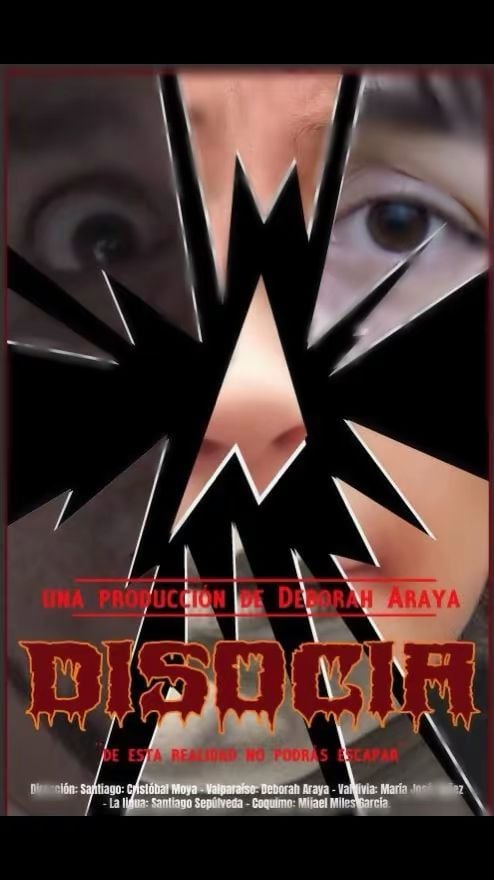
The national and independent horror cinema reaches a significant milestone with the upcoming release of «Disocia,» a collective feature film that unites the visions of prominent Chilean directors under a shared premise: to explore the uncomfortable boundaries of reality and mental disassociation from their unique geographical and identity contexts.
After two years of meticulous collaborative work, the production emerges as an honest, visceral proposal that deeply resonates with the landscapes of the country. The original concept and overall production is spearheaded by Deborah Araya, a filmmaker renowned for her contribution to the genre.
«I love horror because it serves as a powerful tool to unleash our inner fears and confront them; it allows us to view all the things that discomfort us or that we do not want to look at from a different perspective,» explains the director.
Regarding the genesis of this project, Araya mentions, «We wanted to observe how people reflect through various territories, climates, and geographies, and how each location offers a unique perspective on disassociation: that moment when one steps slightly outside themselves, distances from the mundane, and explores their darker side while maintaining a degree of control.»
Anthological Film
For the filmmakers, the film holds special significance due to its anthology format, a territory rarely explored in local cinematography.
Director Santiago Sepúlveda emphasizes that while anthologies exist, those that feature multiple filmmakers within the horror genre are exceptional in Chile.
«In an industry as small as ours, I see this as a brave and necessary endeavor. It speaks to the vitality of the genre today and allows for the discovery of diverse voices and creative universes within a single film,» the filmmaker stated.
In this way, «Disocia» weaves a unique aesthetic and geographic tapestry through four free and deeply identity-driven stories:
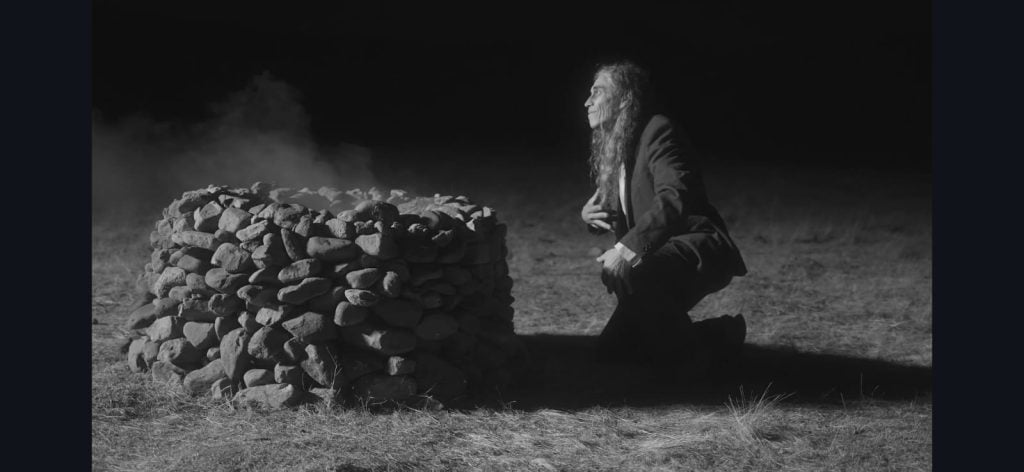
- Valle de La Ligua (Valparaíso Region) – Santiago Sepúlveda Villarroel: His short film, «Letanía de Servando,» contributes a territory-linked identity through its accents, music, and symbols of popular religiosity. By intertwining Latin American myths with poetry and the divine singers, the work employs free writing to tackle universal themes such as faith, the need to believe, and the search for meaning.
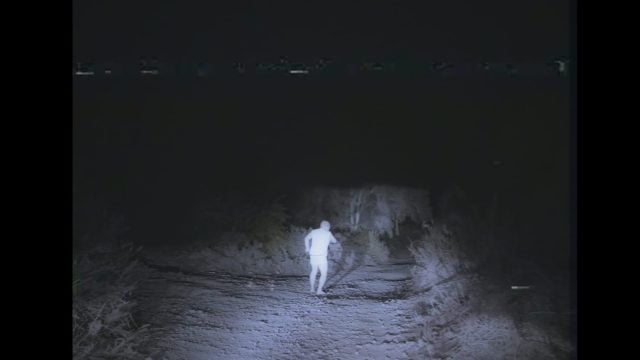
- Valle de Elqui (Coquimbo Region) – Mijael Milies García: He offers a fantastic view of how the whirlwind of reality envelops us. His short film «Destruye la cinta de Travis» delves into the delusions of a person trapped in a movie from which they cannot escape, leaving a cautionary testimony about the terrors of losing control of the mind.
- Santiago (Metropolitan Region) – Cristóbal Moya: He presents a proposal centered on psychedelic and surreal horror, where music becomes the main axis and connecting thread throughout the work. For Moya, this film introduces new ways of filmmaking, aiming to «inspire people to create independent productions.»
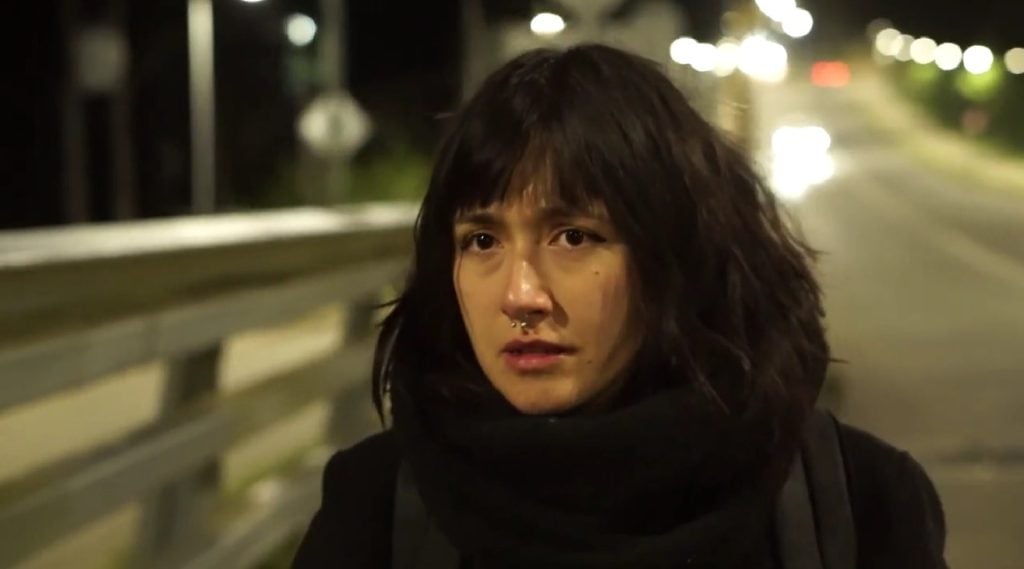
- Valdivia (Los Ríos Region) – María José Núñez: She translates the concept from a melancholic, painful, and solitary atmosphere. Her work capitalizes on the southern environment to cinematographically depict how the cold impacts the psychology of its protagonist.
A Milestone for Independent Horror Cinema
For its creators, «Disocia» not only aims to disturb the viewer but also to open a space for conversation about taboo topics such as the fragility of memory, the fear of death, and existential thoughts we seldom dare to verbalize.
The result is a beautifully disturbing film where creative freedom demonstrates that horror in Chile is capable of decentralizing and speaking from the identity of its lands.
Simultaneously, the feature film promises to become a hallmark of self-management and narrative originality, inviting audiences to reflect on their own territorial fears through a distorted mirror.
Obtén tu Pasaporte y apoya a El Ciudadano
Elimina la publicidad, accede a contenido exclusivo y sé parte de la comunidad.
Cancela en cualquier momento · Sin permanencia