Original article: Las “medicinas amargas” de Bukele: despidos, inflación y el costo del ajuste fiscal acordado con el FMI
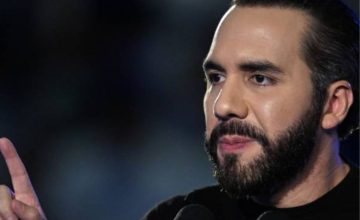
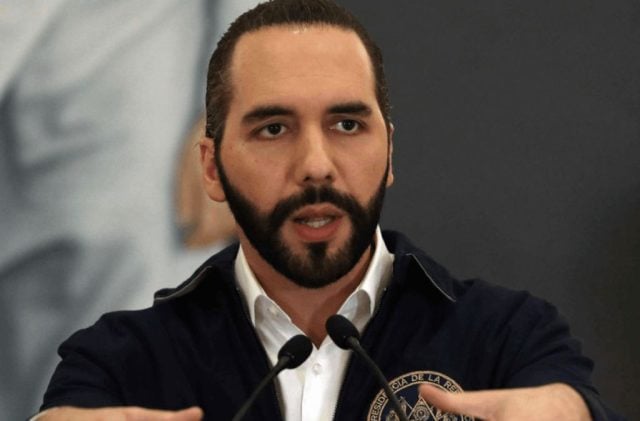
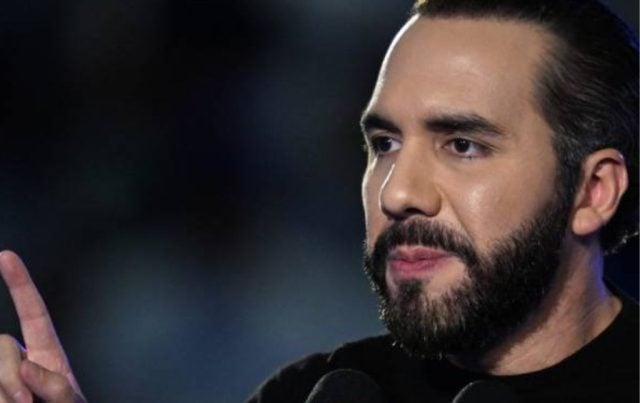
Households in El Salvador are feeling the harsh impact of the austerity measures implemented by President Nayib Bukele following the 2024 agreement with the International Monetary Fund (IMF). What the far-right leader has labeled as a «bitter medicine» to heal public finances has resulted in mass layoffs, rising inflation, and a cost of living that puts pressure on the most vulnerable populations.
The story of Lilian Hernández exemplifies the human toll behind austerity policies. This 59-year-old psychologist lost her job at a women’s protection entity two years ago due to the cuts negotiated with the IMF in exchange for $1.4 billion in funding. Unable to find new employment, Hernández was forced to retire early. With a monthly income of just $432, slightly above the minimum wage, she must support her mother who suffers from Alzheimer’s, a situation she describes as «dire.»
“The bitter medicine has been for the working class,” she told AFP, referring to Bukele’s inaugural speech in June 2019 when he described El Salvador as a «sick child» that needed care and stated, “it now falls to all of us to take a little bit of bitter medicine.”
The scale of public sector layoffs reveals alarming figures that the government has not officially disclosed. While independent economists estimate that approximately 15,000 state employees have been dismissed since 2024, unions claim the number has risen to 47,000 since Bukele took office in 2019. This stark reality adds to other unmet promises from the president, such as the unsuccessful introduction of Bitcoin into an economy already functioning under a dollarization regime, fueling uncertainty about the Central American country’s economic direction.
«It’s Impossible to Live on Minimum Wage»
Inflation and the rising cost of basic goods have become major headaches for Salvadoran families. In June 2026, the annual inflation rate hit 2.76%, while the cost of essential products approaches $260 per month. This situation has forced pensioners like 63-year-old Isabel García to drastically alter their consumption habits, buying «less meat and chicken» to make ends meet. The situation is so critical that seven out of ten Salvadorans cite the economy as their primary concern, according to a recent study from the Central American University.
The economic growth of El Salvador is among the lowest in Central America, with forecasts predicting a slowdown from 3.9% in 2025 to 2.9% in 2026, as per the financial group Cibest.
Miguel Hernández, a 35-year-old transport worker, summarizes the crisis by stating that “it’s impossible to live on minimum wage,” leading him to oppose the possibility of Bukele being re-elected until 2033.
“There has been progress in security, but a deterioration in the economy,” he pointed out to AFP.
The president is betting on sectors like construction and tourism to stimulate the economy, expecting growth of 24% and 10% in 2025. Tourism Minister Morena Valdez anticipates a 14% growth this year, hopeful for a «virtuous cycle» fueled by security. However, experts like former Central Bank President Carlos Acevedo warn that these achievements are insufficient and that there is an urgent need to boost foreign investment, which barely reached $764 million in 2025, the lowest figure in the region.
The Danger of Another Adjustment if Bukele Remains in Power
The country’s economic future may face another fiscal adjustment if Bukele wins re-election in February. Economist César Villalona predicts that the far-right leader would implement a «powerful fiscal adjustment» to further reduce the deficit. This potential adjustment follows a recent trade agreement with the United States, wherein El Salvador opened its market to products from the northern nation in exchange for tariff cuts, though without concrete announcements regarding investment from the administration of his ally Donald Trump.
While the government relies on remittances from Salvadoran migrants, which account for a quarter of the GDP, to continue supporting the economy despite threats of mass deportations, the citizens hope that the «bitter medicine» does not turn out to be worse than the disease.
Obtén tu Pasaporte y apoya a El Ciudadano
Elimina la publicidad, accede a contenido exclusivo y sé parte de la comunidad.
Cancela en cualquier momento · Sin permanencia