Original article: Mujeres del mar: Del trabajo históricamente invisibilizado al derecho a participar en las caletas
Project Encarnadoras — Women of the Sea Foundation
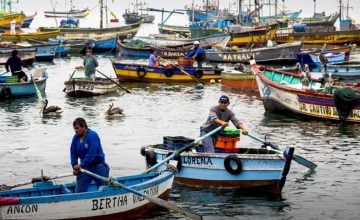
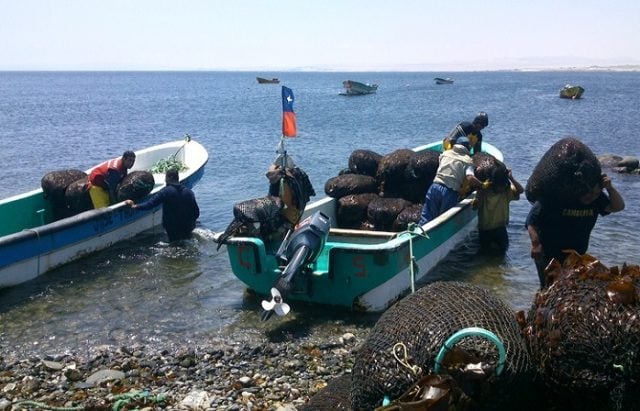
For generations, thousands of women have played a crucial role in Chile’s artisanal fishing industry.
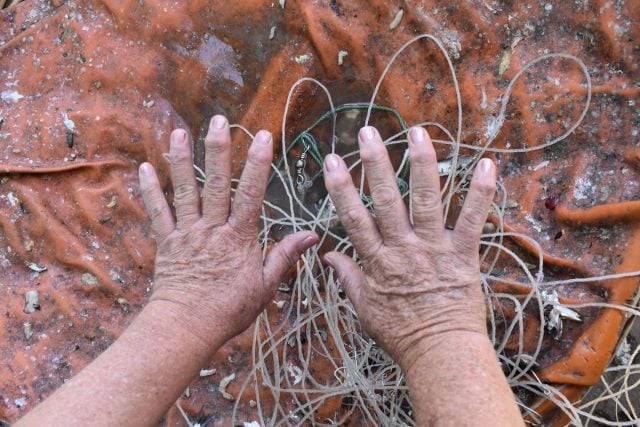
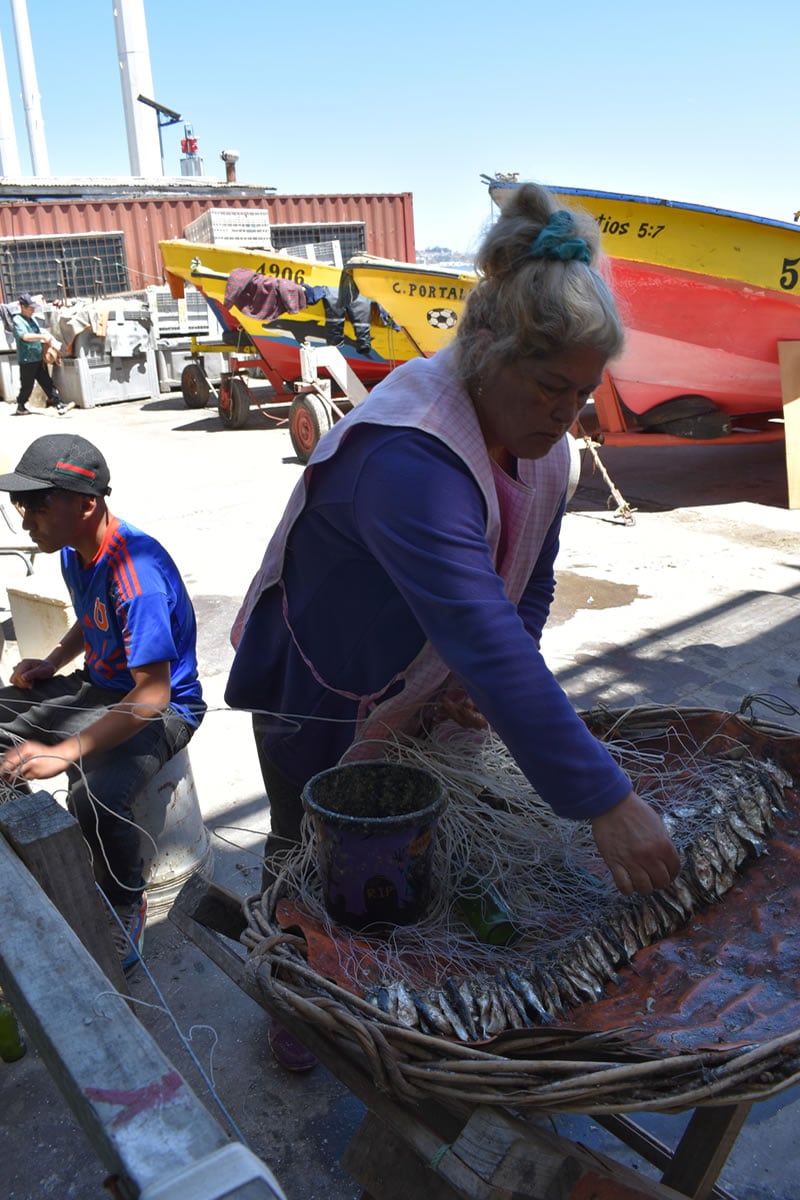
They have baited hooks, knitted and repaired nets, cleaned and filleted fish, shucked shellfish, processed products, marketed catches, and passed on knowledge related to the sea, its species, cycles, and methods of labor.
However, for much of the history of artisanal fishing, many of these roles remained scarcely acknowledged in institutional records and formal decision-making spaces within the sector.
Historically, the fishing cove has been much more than just a place from which vessels leave or return from a fishing trip. It is a productive, social, and cultural space where multiple jobs converge.
While extraction has long been the most visible and formally recognized activity, many jobs performed before and after the catch—many of which are primarily done by women—remained informal or were less recognized by institutions.
Research on female participation in Chilean artisanal fishing highlights this very contradiction: women have actively contributed to productive, territorial, and cultural processes associated with fishing, yet their work has historically been less visible within the sector’s administrative and productive models.
This reality began to shift significantly with the introduction of a gender perspective into Chilean fishing legislation.
From Invisibility to Recognition of Related Activities
A turning point was Law No. 21.370, published in 2021, which incorporated a gender perspective into the General Fisheries and Aquaculture Law, legally recognizing the so-called related activities to artisanal fishing: those essential tasks that do not constitute direct extraction but are crucial to the functioning of the artisanal fishing industry.
The law explicitly recognized professions such as baiters, fish salters, smokehouse operators, knitters, fish fillets, among others. Subsequently, the implementation process allowed for the incorporation of other activities and the creation of the Register of Related Activities (RAC) administered by Sernapesca.
This change runs much deeper than simply adding new names to a register. It signifies the acknowledgment that the fishing production chain does not start or end with the vessel. Before a boat goes out to sea and after a catch comes ashore, there are jobs, knowledge, and human networks that make the activity possible.
Many of these jobs are primarily done by women.
Statistics Start to Reveal What Coves Have Always Known
The creation of the RAC allowed for assessing a reality that had previously been partially absent from official statistics.
In 2023, 1,643 individuals were registered in related activities. By 2025, that number increased to 6,511, with 4,657 of them being women. The highest female registrations were found in shucking, filleting, and baiting.
In May 2026, the Ministry of Economy reported that 6,852 registrations had already been accepted, of which 71.9% were women.
These figures substantiate something fundamental: related activities are not marginal jobs within coastal economies. They are part of the supporting structure for artisanal fishing and represent essential spaces for economic autonomy, community organization, and knowledge transmission.
Recognizing the Profession is Not Enough: Women Must Also Participate in the Cove
The second significant advancement came with Law No. 21.698 of 2024, which incorporated a gender focus into the Coves Law.
This law made a relevant change in how these spaces are understood. Equity ceased to be linked solely to the individual recognition of female workers and began to be integrated into the administration and governance of the coves themselves.
Among other provisions, the legislation established an Equality and Non-Discrimination Plan within management plans; set gender representation criteria in management committees; recognized related activities among the uses that can occur in the coves; and included criteria related to female participation, caregiving, and appropriate conditions for those working in these spaces.
This represents an important conceptual transformation. It is not just about allowing women to work in a cove. It means recognizing them as subjects of rights within it, capable of participating in its administration, influencing decisions, and carrying out their jobs in dignified, safe, and suitable conditions.
Restrooms, changing rooms, care spaces, sanitary conditions, prevention of discrimination and violence, participation in leadership, and effective access to the spaces where the future of coves is decided are not secondary elements.
They are part of the necessary conditions for the equality established by law to materialize.
Participation Also Means Decision-Making
Law No. 21.709, published in November 2024, deepened this process by establishing rules for gender equality in the representation of the artisanal sector in Management Committees.
The regulation stipulates that neither men nor women can exceed two-thirds of the artisanal representation and adds that at least one representative must come from related activities and be included in the respective registry. It also mandates that Congress is informed annually about the implementation of gender balance in these bodies.
The distinction is significant: moving from being recognized as workers to also being acknowledged as actors in fisheries governance.
Those who know the resources, process the catches, maintain the circuits of commercialization, preserve traditional knowledge, and keep the daily economic and community life of the coves must also be able to participate in the decisions that affect those territories.
From Regulatory Progress to Effective Compliance
Chile currently has a significantly more advanced legal framework than existed just a few years ago. However, having a law does not automatically erase decades of inequality.
The institutional diagnosis that accompanied the implementation of the Register of Related Activities identified issues such as labor precariousness, low earnings, wage gaps, gender-based violence, lack of access to basic resources, and a historical absence of recognition for activities performed by women.
Therefore, the current challenge is to prevent gender equity from being restricted to legal text.
Recognition must translate territorially into adequate infrastructure, effective participation, access to support instruments, training and certification, economic autonomy, social security, prevention of violence, and a real presence of women in decision-making bodies.
In 2026, progress has been recorded. In January, 74 workers were certified in the profiles of knitters, shuckers, fish fillets, crab potters, and baiters. The Government then stated that the aim was to strengthen the professional recognition of these trades and their effective incorporation into public policies.
In May, new workers in related activities from Los Lagos received certifications, and the Ministry of Economy stated it would continue to promote the
Obtén tu Pasaporte y apoya a El Ciudadano
Elimina la publicidad, accede a contenido exclusivo y sé parte de la comunidad.
Cancela en cualquier momento · Sin permanencia