Original article: Libro revisa los cruces del arte pop con la cultura popular en los años ’60 y ’70 en Chile
How feasible was it to conceive of a Chilean pop art movement in the 1960s, following its successful yet controversial emergence in the Northern Hemisphere?
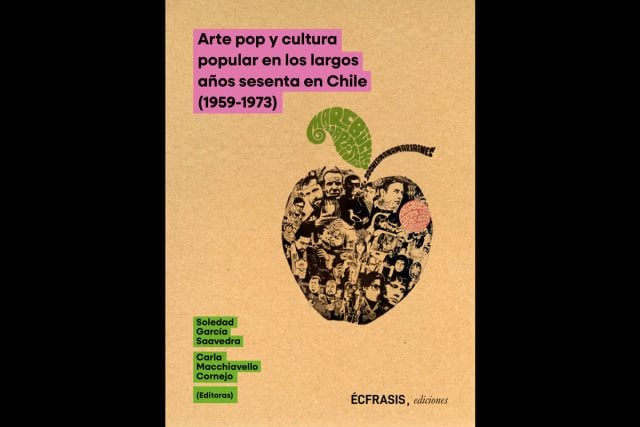
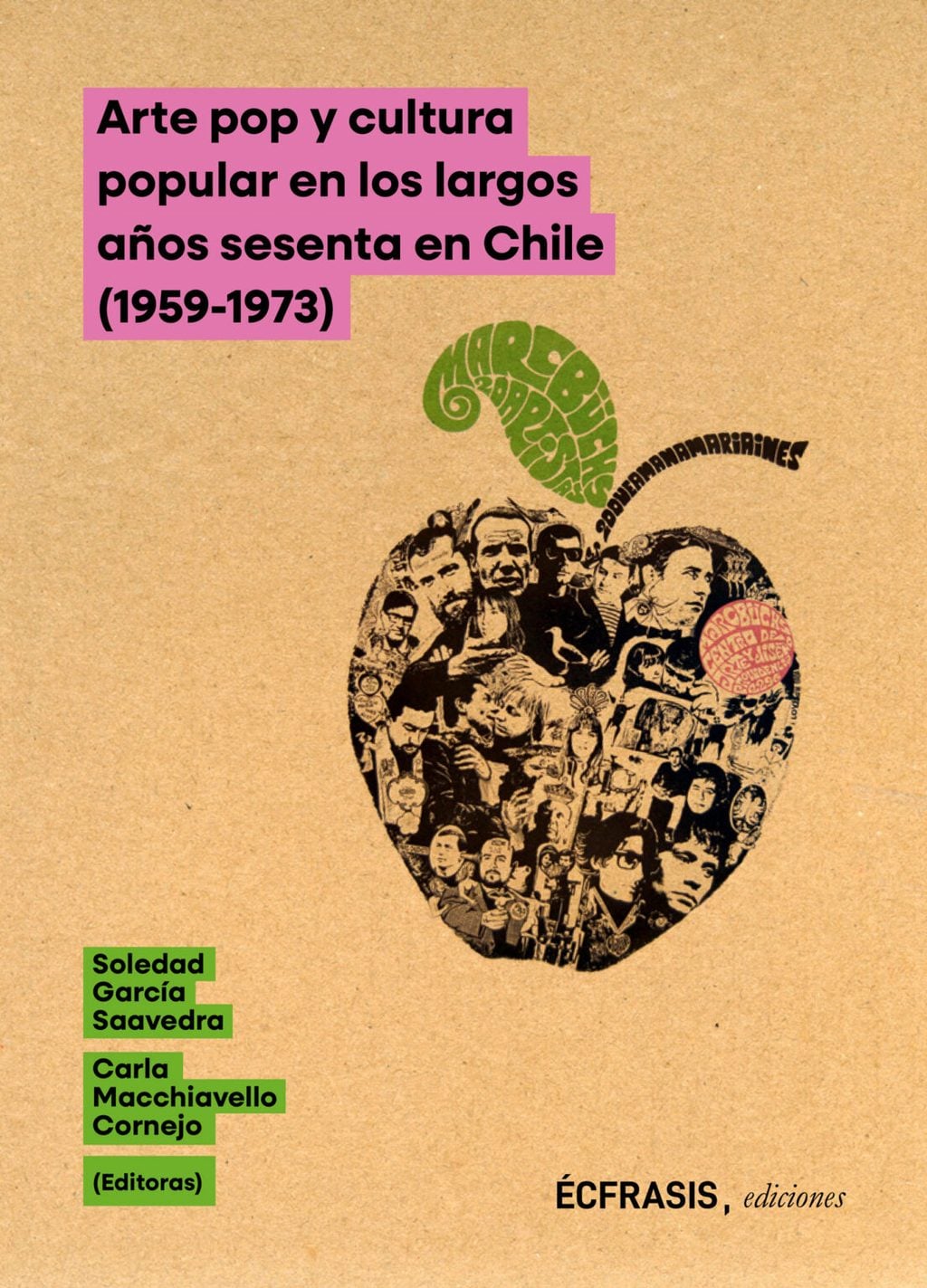
«The label of pop resonated so inextricably with Anglo art that it was impossible to acknowledge its presence in Chile,» the editors narrate in the introduction of Pop Art and Popular Culture in the Long Sixties in Chile: 1959-1973, a new publication from Écfrasis, set for presentation on Wednesday, October 14th, at the Museum of Solidarity Salvador Allende.
In this compelling volume, the editors, alongside various researchers, trace the footprints of pop art, exploring its specificities in the local scene before and during the Unidad Popular, while engaging with popular culture and the country’s social changes, such as Agrarian and University Reforms, alongside global movements like the Cuban Revolution and the Vietnam War.
«A universe of breaks with the past,» as noted in the epilogue.
According to the authors, these movements represent a starting point for changes that explicitly impacted artistic experiences, visual expressions, soundscapes, popular outlets of the era, and the radicalization of political militancy.
They add that this emergence resulted in a layering of languages, intertwining discussions on popular culture and mass culture within the context of an alternative social policy and the massification of media and consumption.
«As our research progressed, we realized we could propose a temporal arc distinct from how pop has generally been read in art history. Unlike most interpretations that closely link pop art to mass culture while dissociating it from popular culture, we propose instead that there was an engagement with the popular that intensified with the triumph of the Unidad Popular,» the editors state.
They assert that popular culture, along with mass culture, coexists, influences, and permeates local artistic practices during the long sixties.
This period in the history of art is examined through ten unpublished essays that delve into the creative languages of early works by artists, poets, and writers, including Francisco Brugnoli, Paulina Brugnoli, Valentina Cruz, Guillermo Deisler, Virginia Errázuriz, Fernán Meza, Guillermo Núñez, Nicanor Parra, Miguel Rojas Mix, Cecilia Vicuña, and many more; alongside cultural milestones such as the Plastic Arts Fair (1959-1971) and exhibitions focusing on contemporary objects at the Applied Arts Salon (1966), the Image of Man (1971), and the First Forty Measures of the Unidad Popular (1971).
Pop Art in Dialogue with Local Popular Culture
As explained by Soledad García Saavedra and Carla Macchiavello Cornejo, this project originates from the exhibition The Emergence of Pop: Irreverence and the Streets in Chile, held in 2016 at the Museum of Solidarity Salvador Allende, curated by García with Daniela Berger.
Building on the exhibited pieces, the researchers aimed to delve deeper and uncover the little-explored traces of this artistic trend and its intersections with Chilean popular culture from the early 1960s through to the inception and deployment of the Unidad Popular.
This political and social framework, intertwined with commercial incursions and the massification of consumption, transformed how artists positioned themselves in relation to society, and consequently, in their production of works during this contemporary era.
With this review, the book’s opening text states, «we configure a possible map that updates the porosities of the popular, with components orbiting around the contemporary, the monstrous, the erotic, humor, play, and pleasure»—characteristics of pop sensibilities.
The book features contributions from Elixabete Ansa Goicoechea, Amalia Cross, Josefina de la Maza, Soledad García Saavedra, Sophie Halart, Carla Macchiavello Cornejo, Fernando Pérez Villalón, and Carolina Tapia.
Event Details
Pop Art and Popular Culture in the Long Sixties in Chile: 1959-1973, published by Écfrasis, is available for purchase on the publisher’s website and in bookstores.
The launch will take place on Wednesday, October 14th, at the Museum of Solidarity Salvador Allende (Avenida República 475) at 6:30 PM, and on Thursday, October 15th, at Espacio Matta (Av. Santa Rosa 9014, La Granja) at the same time.
EL CIUDADANO
Obtén tu Pasaporte y apoya a El Ciudadano
Elimina la publicidad, accede a contenido exclusivo y sé parte de la comunidad.
Cancela en cualquier momento · Sin permanencia