Original article: Rechazo al Escudo de las Américas llega a 47% y carta de Bachelet y Boric suma 41% de apoyo
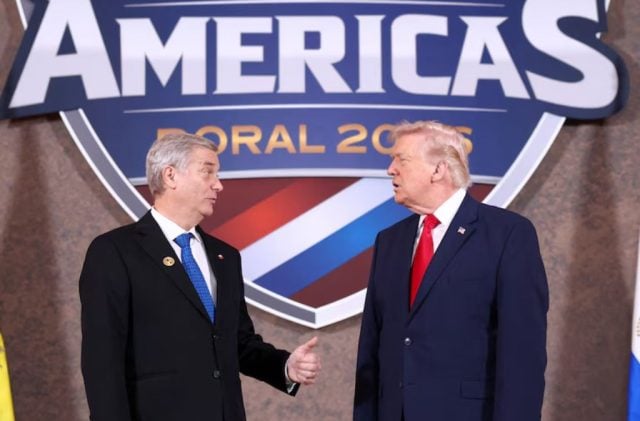
The latest edition of the Agenda Criteria survey revealed that opposition to Chile’s accession to the Americas Shield has reached 47%. Meanwhile, a letter from former presidents Michelle Bachelet and Gabriel Boric, urging President José Antonio Kast to reconsider the country’s involvement in this initiative backed by the Trump administration, has garnered 41% support from the public.
According to the opinion study conducted between October 1 and 2, 2026 —via an online panel with 802 men and women aged 18 and over from socio-economic segments ABCD— 75% of respondents reported being aware of Chile’s accession to the mechanism —an increase of 8 percentage points (pp) compared to the previous week— while 25% stated they were uninformed.
Among those who are aware of the decision, 47% are opposed or strongly oppose Chile joining the alliance organized by the U.S. president, representing a rise of 6 pp from the previous week.
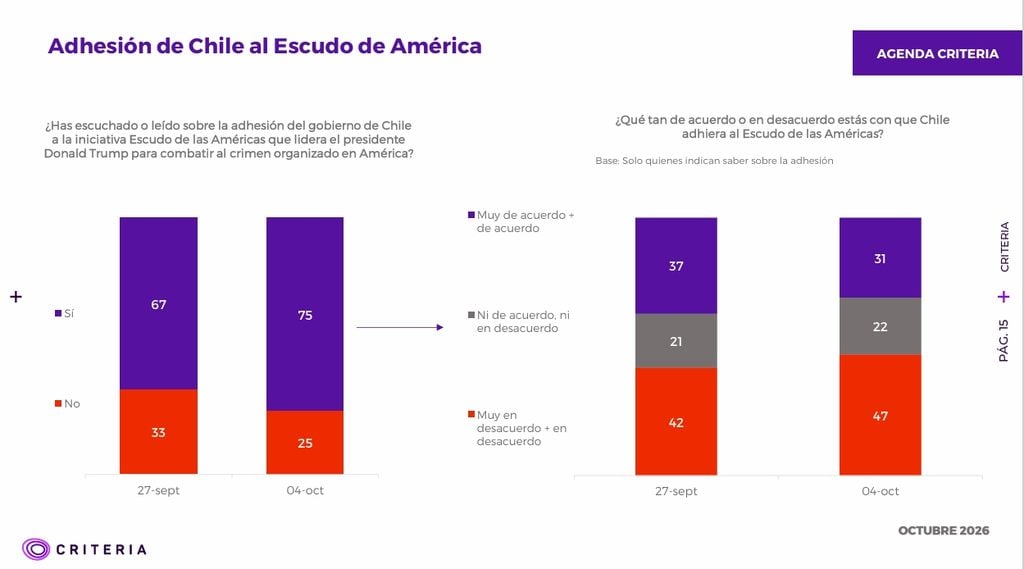
On the other hand, 31% supports the initiative—a decline of 6 pp from the last edition—while 22% remain neutral.
Support for the Letter of Bachelet and Boric
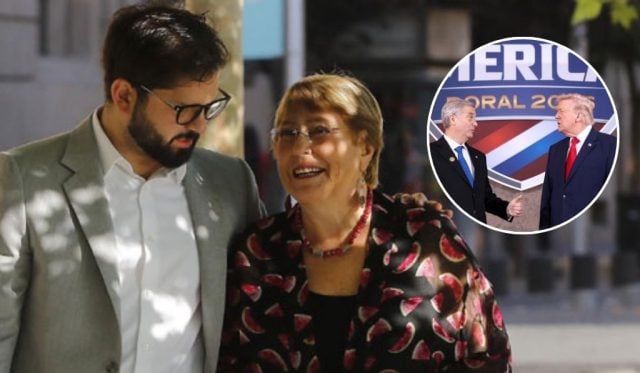
The survey also addressed the letter from former presidents Michelle Bachelet and Gabriel Boric, requesting President Kast’s government reconsider Chile’s membership in the Americas Shield, asking respondents how much they agree or disagree with this request. The results showed that 41% felt «very much in agreement + in agreement» with this appeal; 31% said they were «very much in disagreement + in disagreement», while 28% indicated they were «neither in agreement nor disagreement».
Considering the political leanings of those surveyed, Agenda Criteria revealed that among those identifying with the left, 82% positively assessed and supported the letter from the former presidents; 8% expressed disagreement, and 10% indicated they were «neither in agreement nor disagreement».
Among those identifying with the right, 12% stated they were «very much in disagreement + in disagreement», another 12% responded that they were «very much in disagreement + in disagreement», and 28% indicated they have no defined stance on the reconsideration request.
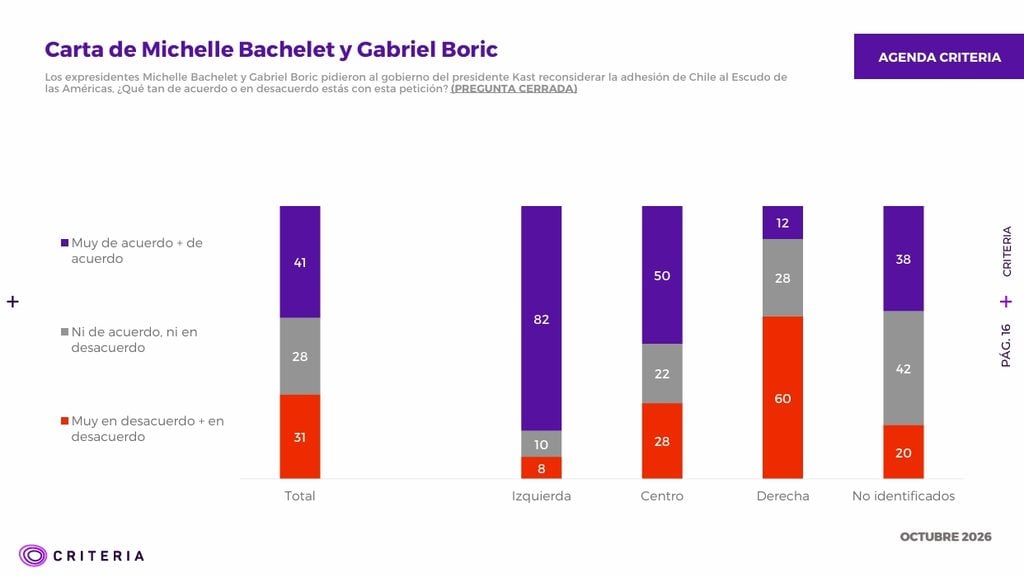
Among those identifying as centrists, 50% stated they were «very much in disagreement + in disagreement» with the stance taken by Bachelet and Boric; 28% said they were «very much in agreement + in agreement», and 22% were neutral.
For those with no political identification, 38% positively evaluated the letter; 20% remained neutral, and 20% viewed it negatively.
In the letter signed on September 24, former presidents Michelle Bachelet and Gabriel Boric expressed their concern over Kast’s decision to confirm Chile’s accession to the Americas Shield.
They stated that international cooperation against transnational crime is essential, but emphasized that it should never subjugate national defense and security to foreign powers nor sacrifice the diplomatic autonomy that has characterized Chile since the return to democracy.
“Given the current geopolitical scenario, Chile should not be forced to choose a side. It must strengthen its alliances and relations with different countries and regions, without exclusions imposed from the outside while always preserving its strategic autonomy,” they expressed.
“We urge President José Antonio Kast’s government to reconsider Chile’s participation in this initiative, and we express our full willingness to collaborate in building state strategies to combat transnational organized crime, while safeguarding the principles, sovereignty, and autonomy that have characterized Chile’s foreign policy since the return to democracy,” the former presidents declared.
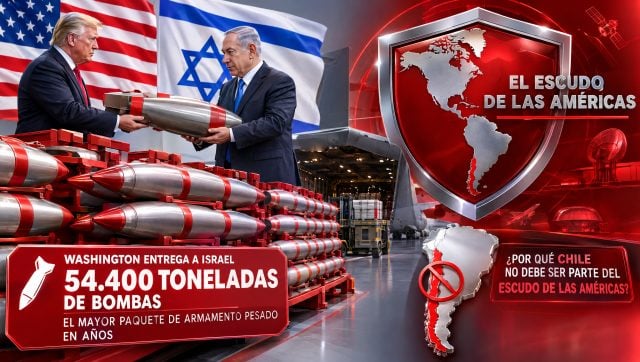
It is important to remember that Chile’s accession to this mechanism initiated by Donald Trump occurred amid concerns about the abandonment of foreign policy autonomy and the potential ceding of sovereignty regarding security and defense. Additionally, a group of lawmakers has demanded that La Moneda clarify the implications of this measure and explain the coordination to be established with other countries involved in the initiative, noting that a document published by the U.S. State Department revealed that, beyond coordination to combat organized crime, the mechanism encompasses economic matters, such as critical supply chains, which exceed the scope of public safety.
Obtén tu Pasaporte y apoya a El Ciudadano
Elimina la publicidad, accede a contenido exclusivo y sé parte de la comunidad.
Cancela en cualquier momento · Sin permanencia