Original article: Francia y Chile, el mismo atraco: Regalos fiscales a los ricos y recortes en educación pública
By Leopoldo Lavín Mujica
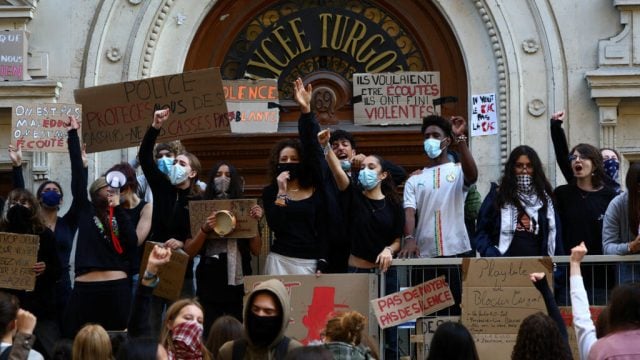
Images circulating from France are striking. The country is witnessing its largest student protests since May 1968, with hundreds of high schools shut down and over 250,000 people marching against education cuts.
Jean-Luc Mélenchon described this as «the most powerful youth movement seen in France in 50 years.»
The crackdown has already resulted in serious injuries: a 15-year-old lost a hand due to a grenade in Lens, and a 16-year-old lost an eye in Tours.
Unprecedentedly, parents and teacher organizations are leading the marches to protect students from police violence.
«We are forced to take days off to prevent them from having their hands torn off,» explained a mother wearing a vest from the FCPE (parents’ federation) in Lyon.
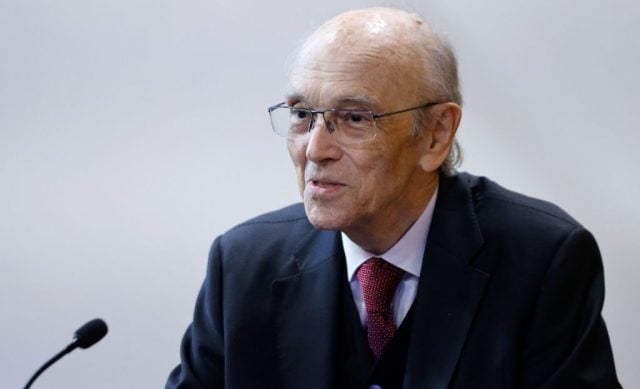
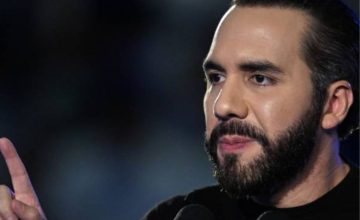
In Chile, a strikingly similar situation is unfolding. Student protests against the cuts proposed by José Antonio Kast have led to dozens of arrests and injuries, including one university student who underwent emergency surgery after being hit by a police projectile.
The opposition has accused the government of «excessive use of force» and «unjustified repression,» while the Confech reports that tear gas has been used against largely peaceful marches. Just as in France, the state responds to unrest with increased police presence and diminished dialogue.
Both governments follow the same economic script. Emmanuel Macron eliminated the Wealth Tax (ISF) in 2018, replacing it with a tax that excludes stocks, bonds, and business shares.
Between 2025 and 2026, high-income earners and large companies saw their taxes cut by 4 billion euros.
Similarly, José Antonio Kast passed a neoliberal reform package that reduces the corporate tax from 27% to 23%, which carries a projected fiscal cost of $3.215 billion, equivalent to 0.71% of GDP. The same neoliberal narrative: tax breaks for the rich funded by social cuts.
The shared excuse is the fiscal deficit. In France, the growth of the deficit is largely attributed to the 62 billion euros in tax breaks that Macron has granted each year since 2017.
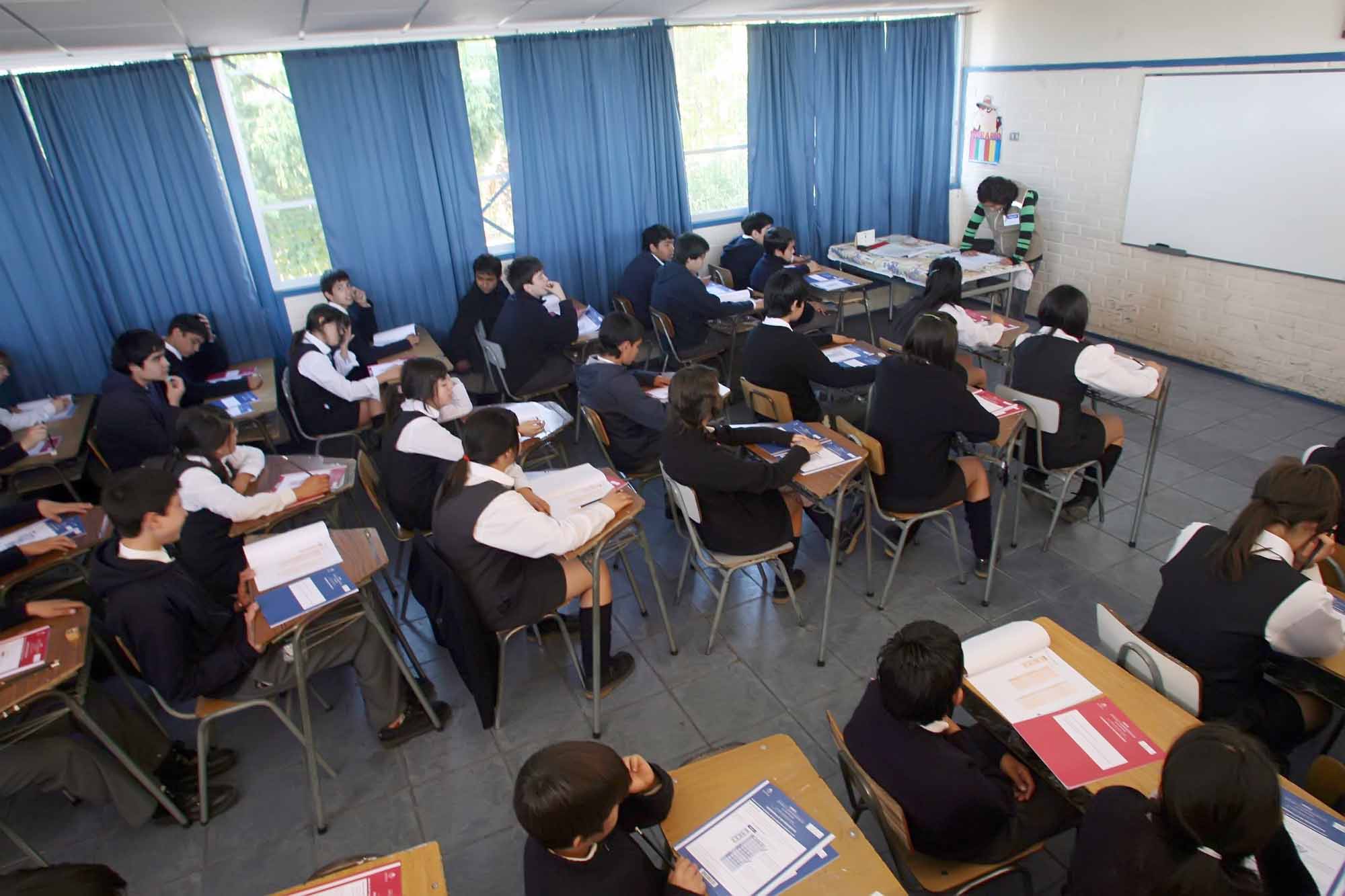
In Chile, to close the fiscal gap created by the reform, the government implemented a 3% cut to the state budget, directly impacting public education and primary healthcare. In education, the cut amounts to 188 billion pesos, primarily affecting higher education funding. In healthcare, the adjustment exceeds 413 billion pesos.
Fear of protests fuels both governments’ actions. Macron is terrified of a return of the «gilets jaunes»; a left-wing leader bluntly stated: «Macron has a terrible fear of the people.» This is why he deployed thousands of police and closed museums and subway stations during protests.
In Chile, the specter of October 2019 looms large. One panelist compared the current atmosphere to «the lead-up to 2019,» and the opposition warned that Kast’s measures «could escalate social conflict.»
The rhetoric of order serves as the ideological glue for both right-wing governments. Kast warns that demonstrations «must strictly adhere to legal frameworks» and will be met «with all the state’s tools.»
Macron labels the violence during protests as something that «no responsible politician can legitimize,» while his police use military-grade weapons against teenagers.
The global economic context exacerbates the situation. Inflation and global stagnation have hit family purchasing power in both countries, yet the governments fail to respond with social protections.
In France, Prime Minister Sebastien Lecornu freezes pensions and family benefits; in Chile, economists warn that the $6 billion fiscal cut «is impossible not to impact social spending.»
In Chile, corruption within the judiciary undermines the only institution that could provide an institutional exit.
Predictions of social conflict converge. In Chile, the ACES warned that protests «could reach levels seen in 2011,» and analysts predict that «by October-November, the public may be furious.»
In France, the presidential campaign heightens tensions. In this context, La France Insoumise (LFI)—Mélenchon’s party—has gained sympathy from many of the protesting youth, who see it as a genuine leftist ally, not just another appendage of the system.
The simultaneous timing is no coincidence: both countries are entering a cycle of conflict that feeds on itself.
Macron and Kast are not the cause of the crisis, but they are its clearest manifestations. In the French case, Macron is more than just a product: ten years in power—first in Economics, then in the Élysée—makes him one of the key drivers of the current crisis.
His administration has produced the inequality that is now erupting, the repression that angers people, and the representation crisis that renders the political system meaningless. He is not merely a bystander to the fire: he is one of its architects. His government exemplifies a worn-out model that responds to inequality with more inequality, to protest with more repression, and to the representation crisis with more technocracy.
The French lesson is clear: when social organizations—parents, teachers, unions—are active, protests can be channeled without tragedies.
Chile stands at a crossroads. The question is not whether there will be new protests—the evidence suggests they will—but whether the political system will be able to listen to them before the next generation loses faith, entirely, in a discredited elite politics that serves no purpose in either country.
Leopoldo Lavín Mujica
Cover Photo: Yves Herman / Reuters
Obtén tu Pasaporte y apoya a El Ciudadano
Elimina la publicidad, accede a contenido exclusivo y sé parte de la comunidad.
Cancela en cualquier momento · Sin permanencia