Original article: Colombia sale a las calles contra De la Espriella: primer paro nacional a solo 2 meses de su llegada al poder
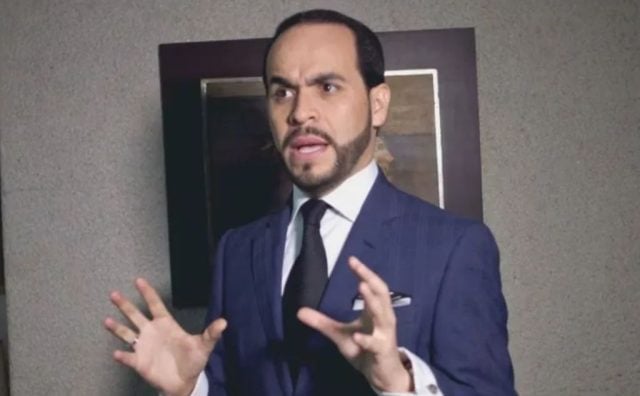
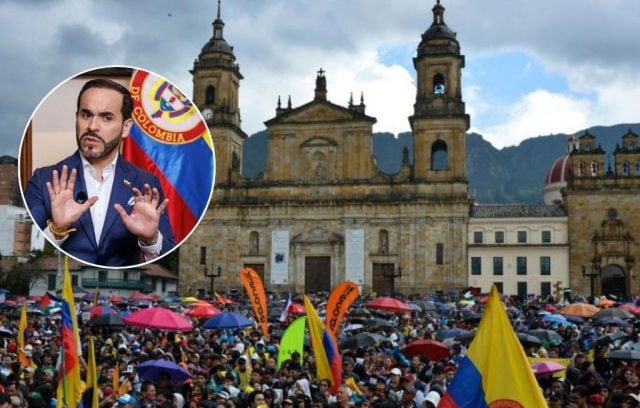
Mass protests against Abelardo de la Espriella‘s government erupted on Wednesday, October 14, across several cities in Colombia, marking the first national strike called against his administration, just two months after he took office. Thousands of people voiced strong opposition to the far-right president’s economic and security agenda, as well as to the rising cost of living, an increase in crime and violence, the rollback of social achievements, and measures aimed at criminalizing and intimidating the right to protest.
The massive mobilization against De la Espriella included participation from unions, teachers, student groups, opposition parties such as the Historical Pact, LGBTI collectives, labor unions, and indigenous communities, filling the streets of Bogotá, Cali, Medellín, Barranquilla, Manizales, Cúcuta, Bucaramanga, Pereira, and Riohacha.
The Colombian Federation of Educators defended public education and teachers’ health. The union demanded the reconstruction of school infrastructure damaged by a recent earthquake and denounced the stigmatization faced by the teaching union, as reported by TeleSUR.
Indigenous and rural communities rejected the mega-projects and economic policies that threaten their ancestral territories. The Indigenous Regional Council of Cauca (CRIC) warned that De la Espriella aims to undermine the autonomy of their organizations.
Demonstrators raised their voices against the far-right government, its promises to limit abortion, disregard for indigenous associations, and proposed budget cuts. They carried banners with labor demands, flags of Colombia and Palestine, and signs criticizing the administration of U.S. President Donald Trump, with whom the Colombian leader is aligned.
The catalyst for the protest was the controversial Decree 1525, signed by De la Espriella, which regulates the actions of public force during gatherings and empowers authorities to dissolve them in the event of «serious disturbances.»
Although it stipulates that authorities should seek dialogue with demonstrators, this is not a «precondition that would suspend or postpone interventions aimed at individuals who commit acts of violence».
Intimidation Against Protest
Former presidential candidate of the Historical Pact, Iván Cepeda, warned that the government’s goal is to «intimidate people» so that citizens do not exercise their right to protest for fear of violent confrontations with the police.
«De la Espriella wants to take us back to a moment where fear becomes the means by which the Public Force acts arbitrarily,» he denounced.
Former President Gustavo Petro (2022-2026), who joined the gathering in Bogotá, posted a message on social media highlighting the determination of Colombians to defend their rights.
«This is how we respond to adversity with dignity, eager to win again, without fear. Life is the companion, not death. The people do not surrender, damn it,» he wrote.
In some cities, a significant deployment of police was seen in response to the mobilizations, which the opposition considered an attempt to coerce the right to protest.
Moreover, the NGO Temblores reported that the government deployed «armed men with rifles on rooftops overseeing the protests.
«Placing armed men with rifles on rooftops, watching over a mobilization, is a direct intimidation message against those who protest. We cannot accept that exercising a fundamental right means doing so under the gaze of weapons,» the organization stated on its social media.
.
Featured image: AFP.
Obtén tu Pasaporte y apoya a El Ciudadano
Elimina la publicidad, accede a contenido exclusivo y sé parte de la comunidad.
Cancela en cualquier momento · Sin permanencia