Original article: «Desarma directamente la defensa de las víctimas»: académicos cuestionan reforma de Kast que busca quitar facultades al INDH
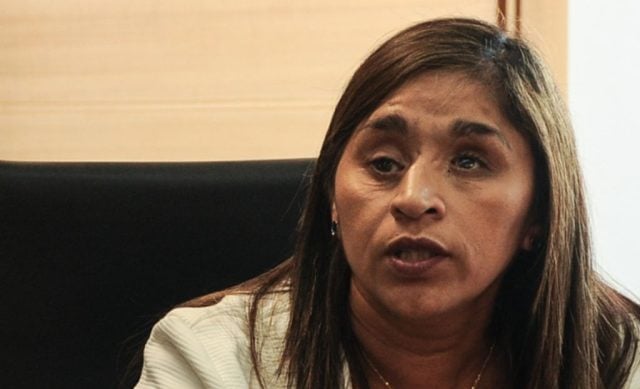
Academics from the Social Psychology of Memory Program at the University of Chile have expressed their rejection and concerns regarding the reform to the National Institute of Human Rights (INDH) proposed by the government of José Antonio Kast, warning that it «directly dismantles the defense of victims.»
The proposal from La Moneda modifies Law 20.405, which has governed the INDH since its establishment in 2009, introducing structural changes to the governance, mandate, and powers of the institution.
According to the presidential message sent to the Chamber of Deputies, the “massive concentration of the Institute’s actions in judicial proceedings” has come “at the expense of its consultative role.”
In this context, the bill promoted by the right-wing administration eliminates the INDH’s power to file criminal complaints, replacing it with an «institutional report,» which consists of “informing the competent authorities” of facts that may constitute a crime.
Faced with this situation, the academics at the University of Chile warned that the reform would limit the tools available to the institution to intervene in criminal processes related to human rights violations.
“The reform also impacts a crucial function of the INDH’s mandate: it eliminates the ability to file complaints, which directly dismantles the defense of victims,” they stated in a public declaration.
They also emphasized the significant difference between filing a report and submitting a complaint, as the latter provides the ability to participate as a party in a criminal process and conduct actions aimed at clarifying the facts and responsibilities.
“The distinction between reports and complaints is severe,” they pointed out, explaining that without this power, it would be more challenging to prosecute human rights violations. In contrast, they noted that an institutional report only informs the Public Ministry.
For this reason, they cautioned that removing the ability to file complaints could promote impunity and weaken the protection of victims of fundamental rights violations.
They also warned that restricting the INDH’s ability to file complaints would have an impact on cases related to torture, unlawful pressure, enforced disappearances and other crimes affecting victims of the state apparatus.
Within the reform pushed by Kast, there is also a proposal to reduce the INDH Council from 11 to 5 members, with a term of 4 years and one re-election – previously, members could serve for up to 12 consecutive years – and the creation of a «director executive» selected by Public High Management and appointed by the Council.
According to the text, this new authority will be responsible for the administrative and operational leadership of the INDH, will represent it legally, and will serve a term of 5 years, renewable only once.
The academics stated that this change threatens the autonomy and independence of the institution.
“The INDH does not depend on the political context of the ruling government“
They expressed their disapproval of Council members being appointed almost entirely by the Presidency and Congress, eliminating the participation of civil society organizations, which they believe would subject the agency to the influence of parliamentary political majorities.
They argued that the current composition of the Council promotes pluralism through the involvement of social and human rights organizations, academic representatives, indigenous peoples, and various political sensitivities, as reported by Diario U. de Chile.
“No international standard allows a government to lawfully determine who leads an institution that is supposed to oversee the State itself independently, replacing it with trusted individuals,” they stated in the declaration.
For the members of the Social Psychology of Memory Program, the protection of human rights should not be subject to political disputes and leadership changes, emphasizing that the independence of the institute has allowed it to document and report on human rights situations throughout different political periods and in highly polarized environments.
“Precisely the value of the INDH is that it does not depend on the political context of the ruling government; something that is now being attempted to change through the legislative reform project submitted by the Executive,” they warned.
Obtén tu Pasaporte y apoya a El Ciudadano
Elimina la publicidad, accede a contenido exclusivo y sé parte de la comunidad.
Cancela en cualquier momento · Sin permanencia