Original article: Gobierno de Francia planea bloquear el acceso a redes sociales para desmovilizar la organización social
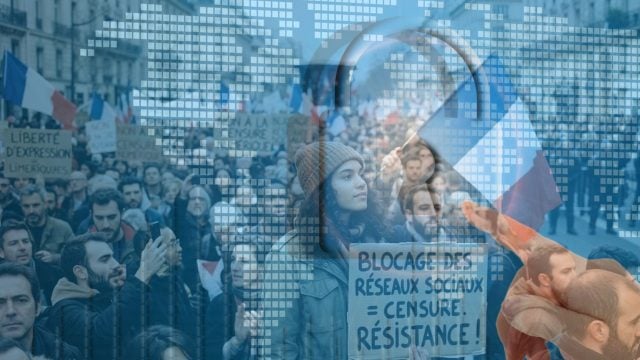
The French government, under Prime Minister Sébastien Lecornu, has asked the country’s major telecom operators to prepare for a temporary suspension of access to platforms such as TikTok, Instagram, Snapchat, and X, as part of a strategy to curb the wave of protests that have erupted since mid-October. This initiative aims to disrupt social organization, according to recent reports regarding the government’s measures.
The Citizen
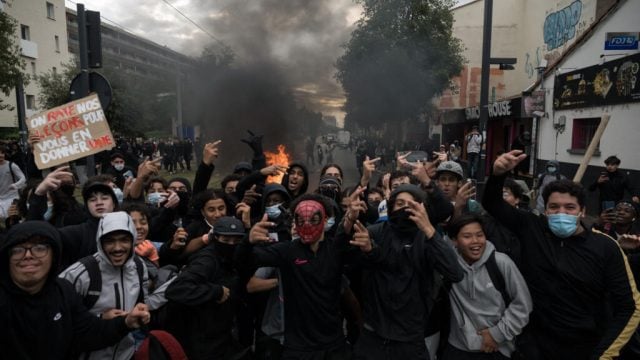
The information, uncovered by the investigative digital outlet Blast, is based on a letter dated October 22, addressed to executives of Orange, SFR, Free, and Bouygues Telecom. According to the letter, the intention is to block access to these applications through DNS filtering «in the event of recurring urban violence,» a measure that the Prime Minister stated would last for «a few hours» and would be activated ahead of planned demonstrations on the weekend of October 24 and 25. This disclosure comes amid a backdrop of heightened social tension, notably following a mobilization day on October 17 that led to severe unrest and over a thousand arrests.
Understanding the Underlying Causes of Social Unrest in France
Rather than an unexpected outburst, the protests prompting the government to consider social media blackouts are rooted in deep and growing social discontent. The initial spark for the October 17 protest was the demand against the «high cost of living» (la vie chère), a direct response to inflation, particularly the rising fuel prices. This economic dissatisfaction has been compounded by many layers of outrage.
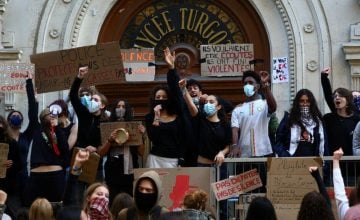
The «yellow vests» (gilets jaunes) movement, which gained prominence in 2018 for similar grievances, has resurfaced, now joined by a new generation. The mobilization of high school students (lycéens), who began protesting weeks earlier over teacher shortages, deteriorating school facilities, and issues with university access, has been pivotal in reigniting the demonstrations. These efforts have garnered support from labor unions, healthcare workers, firefighters, farmers, and even climate activists, creating a broad and diverse social front.
The organization of this movement has been largely decentralized and primarily executed in the digital space. Reports indicate that coordination has occurred through encrypted messaging groups like Telegram, where protesters share interactive maps with countless blockades and calls to action. It is this ability to organize and spread rapidly in the digital environment that the Lecornu government seeks to neutralize with the proposed measure.
Examining the Details of the Government’s Proposal
Lecornu’s letter not only requests telecom operators to prepare but also outlines the technical conditions for the suspension. The Prime Minister insists that the block be executed through DNS filtering, aiming for it to be «as selective as possible» without introducing distortions among different telecom companies. Moreover, it specifies that the measure could be implemented during the weekend of October 24 and 25 «depending on the operational context,» requesting companies to anticipate technical operations for prompt execution.
However, the government’s request faces several challenges. Operators have expressed their «reservations» to the government, arguing that they lack the technical capability to implement a ban of this magnitude within such a short timeframe. Additionally, the measure faces serious legal scrutiny. A recent precedent was set with the TikTok ban in New Caledonia during the 2024 riots, which was annulled by the Council of State in April 2025, citing it as a «disproportionate interference» with freedom of expression. The high court clarified that such measures may only be employed in «exceptional circumstances,» if deemed «indispensable,» and for strictly limited durations, and only if no less restrictive alternatives are available.
With the shadow of this ruling looming over the new request, Lecornu’s government is now attempting to preempt a new wave of violence, looking to digital space control as a tool to deactivate the organizing potential of a social movement that, despite attempts at suppression, shows no signs of fading.
The Citizen
Obtén tu Pasaporte y apoya a El Ciudadano
Elimina la publicidad, accede a contenido exclusivo y sé parte de la comunidad.
Cancela en cualquier momento · Sin permanencia