Original article: El Papa llega después de las urnas
By Álvaro Ramis
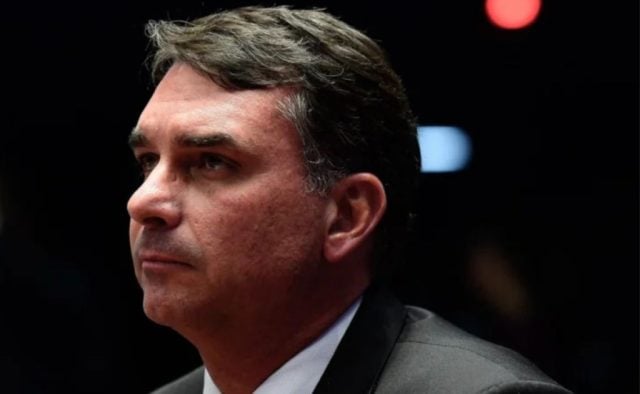
When the Vatican announced Pope Francis’s tour through Uruguay, Argentina, and Peru in August, it seemed the new right was gaining momentum across the continent. Javier Milei was enjoying clear support from Washington, Keiko Fujimori was preparing to take office in Lima, and Flávio Bolsonaro was leading the polls in Brazil.
However, by the time the Pope arrived in Montevideo yesterday, the political landscape had shifted significantly.
On October 25, Lula turned around a disappointing first round and defeated Flávio Bolsonaro with 51.76% of the votes. On November 3, in a midterm election that served as a referendum on Trump’s influence, the Democrats regained control of both chambers of Congress, aided by a shift in Latino voting patterns in Texas.
Just two days later, Santiago Peña resigned as president of Paraguay, and the House of Representatives unanimously voted to initiate impeachment proceedings against him due to the collapse of Ueno Bank.
It may be premature to declare the end of a political cycle. Lula won by a hair, Democrats capitalized on backlash against rising prices and the war in Iran, and the situation in Paraguay involves a financial scandal with its own dynamics. The far-right still holds power, votes, and the ability to shape the debate. Yet, the aura of invincibility it previously enjoyed has faltered following several recent defeats.
Amid this tumult, the first-ever American Pope arrives, just three days after citizens in his homeland repudiated the government most responsible for escalating cultural warfare into state policy.
Milei, as the host, feels the impact of these changes most acutely. His administration invited the Pope in an attempt to showcase institutional normalcy and lower tensions with the Church, hoping for a more favorable environment amidst the indomitable presence of Trump and a growing Bolsonaro.
In July, he labeled Lula a «thief» at an event alongside Flávio Bolsonaro. After his candidate’s loss, he refrained from commenting until assessing the White House’s response, amidst indications of a warming relationship between Trump and Lula that undermines Milei’s role as an ally of Washington.
With his patron now facing a hostile Congress, Brazil again under Lula’s leadership, and Paraguay in crisis, Milei will welcome the Pope with few allies in his region.
Furthermore, he is greeted by a Church that has ceased to remain silent. During Tedeums in May and July, with Milei in attendance, Buenos Aires Archbishop Jorge García Cuerva urged an end to polarization and spoke of «a path of cruelty towards the most vulnerable.»
The presidential environment reacted with attacks on social media, and ruling party deputies described the Archbishop’s homilies as unjust. Bishops raised issues relating to the disability crisis and migration policies, and in October García Cuerva indicated the Pope would find «an Argentina rife with disparagement and intolerance.»
The agenda reflects these concerns. The Pope’s first activity on Monday will be at the Cottolengo Don Orione in Claypole, a home for individuals with disabilities, coinciding with a year in which the government vetoed a sector emergency law that Congress reinstated, only for the Executive to suspend its implementation.
Such imagery will hardly help the Casa Rosada project an image of integration into the global community.
In Peru, the situation varies. Keiko Fujimori’s government hopes the visit will contribute to the country’s «reconciliation,» a term laden with meaning.
In 2017, just a month before the Pope’s arrival, Pedro Pablo Kuczynski granted a pardon to Alberto Fujimori, which the Fujimorists framed as a gesture of national reconciliation.
The Government Palace likely did not consider the biography of their guest. Robert Prevost has a lengthy history in Peru, navigating between truth, power, and impunity. When journalists Pedro Salinas and Paola Ugaz exposed abuses within the Sodalicio de Vida Cristiana, originally established in 1971 to counter Liberation Theology, they faced legal persecution.
According to them, the bishops who supported them were few, with Prevost among them. He listened to victims when few dared, sanctioned the removal of the sodalite bishop who had unsuccessfully sued Salinas from Rome, and advanced the dissolution that Francis decreed for 2025; a process that brought him a torrent of accusations linked to the Sodalicio.
For years, the Peruvian Church responded to the scandal by calling for caution and unity, ultimately shielding abusers.
The tide began to turn when someone finally listened to the victims, leading to the institution’s dismantlement. Prevost was present for that transformation, making it unlikely he would agree to a reconciliation narrative that does not prioritize truth.
He also arrives with demands attached, as Sodalicio victims assert the dissolution has yet to yield justice and will seek accountability during the papal visit confirmed for this tour.
Uruguay has remained untouched by these tides. Its disagreements with the Pope over euthanasia law were addressed in a conversation in Rome where, according to Orsi, both parties spoke with mutual understanding.
The Uruguayan case also serves the left, which is tempted to view the Pope as a situational ally. Pope Francis is not here to celebrate Lula or punish Trump; in bioethical matters, he aligns more closely with Orsi than with Fujimori. His agenda appears crafted to ensure no government monopolizes the visit.
What About Chile?
The Pope will not be stopping in Chile, although what transpires there is more relevant to his agenda than the government would prefer.
In May, Pope Francis signed Magnifica Humanitas, his first encyclical, on the anniversary of Rerum Novarum, reiterating the importance of work dignity and social justice in Church doctrine. Chile, however, is moving in the opposite direction.
José Antonio Kast arrived at La Moneda pledging order and growth, yet eight months later, unemployment soared to 9.8%, its highest level since 2021, with more than a million people jobless and female unemployment exceeding 10%.
The Central Bank, which had projected up to 3% growth by 2026, has revised its estimate to a range of 0.25% to 0.75%. Inflation, which hit its lowest level in five years in February, climbed to 4.1% in September, driven by rising food and energy costs, with estimates suggesting this year’s close could be near 5%. The price of diesel alone rose by 36.8% in nine months.
Both unemployment and the cost of living burdens the same households that Pope Francis emphasizes during this trip.
Discontent is reflected in surveys. Criteria indicated Kast’s approval rating was at 42% in early April, but by November 1 it had dropped to 25%, the lowest of his presidency. Pulso Ciudadano places it even lower at 22.1%.
The most recent blow has been the reductions in sentences for child sex offenders signed by Justice Minister Fernando Rabat, whom the President keeps in position despite a 72% disapproval rating of his tenure, according to Criteria.
As a Pope traverses the region, having garnered enemies in Peru for siding with Sodalicio victims, the Chilean government, which has made hardline policies its cornerstone, protects the minister who lessened sentences for those who abused children. In a country that took years to shatter the silence surrounding Karadima, the discrepancy is hard to overlook.
The new Latin American right promised order and prosperity in exchange for tough measures and austerity. In Chile, the harsh measures and austerity arrived, but not the promised prosperity. Voters in Brazil and the United States rejected that offer, while in Paraguay, it crumbled alongside a bank. Pope Francis is not here to hasten that process and likely won’t attempt to, but his agenda speaks volumes.
In the coming days, he will visit Devoto prison, meet with individuals with disabilities in Claypole, and hear the demands of the shipibo-konibo people in Pucallpa.
It remains to be seen if he will speak publicly. If he does, he will voice what his itinerary already suggests: governments are judged by how they treat the most vulnerable.
Álvaro Ramis
Obtén tu Pasaporte y apoya a El Ciudadano
Elimina la publicidad, accede a contenido exclusivo y sé parte de la comunidad.
Cancela en cualquier momento · Sin permanencia