Original article: Rabat entrega 308 decretos de rebajas a condenados por delitos sexuales, pero sus nombres quedan bajo llave
Rabat Delivers 308 Sentence Reductions for Convicted Sex Offenders, but Identities Kept Secret
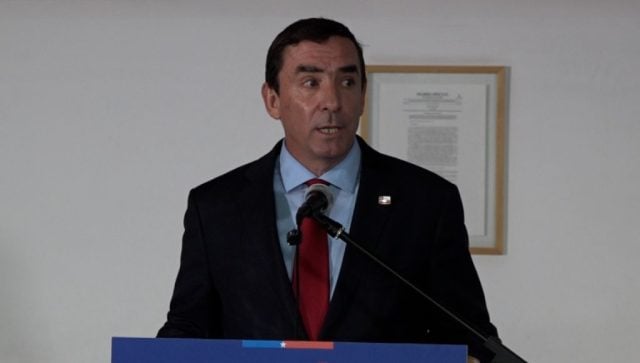
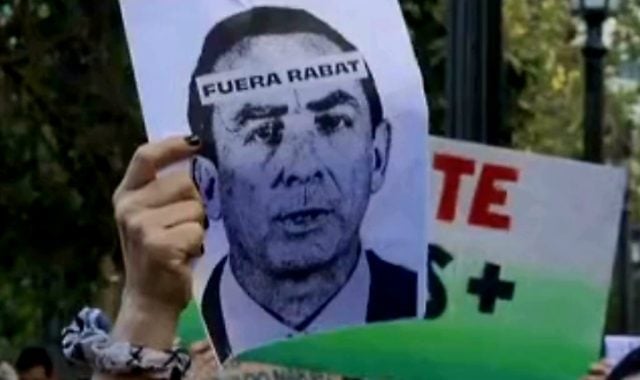
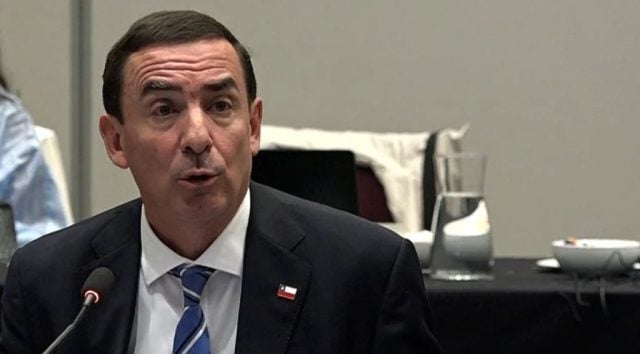
On Wednesday, Justice Minister Fernando Rabat presented 308 decrees for sentence reductions to the Senate Constitution Committee. These decrees pertain to individuals convicted of sexual crimes against children and adolescents processed over the past five years. However, the identities of those who benefited remain locked away.
The information was submitted following pressure from lawmakers who urged the state secretary to disclose the details, yet it was placed under the custody of the committee’s secretariat, preventing public access and reproduction.
The confidentiality is based on the legal framework governing the protection of personal data, as explained by the secretary of the committee, Ignacio Vásquez. “Given these circumstances, we cannot reproduce this document, and it must remain secured in the secretariat,” he stated, according to reports from El Mostrador.
Among the 308 decrees signed since 2022 that reduce sentences for sexual offenders, 66 were presented in 2026, coinciding with the political shift brought by José Antonio Kast’s arrival at La Moneda and Rabat taking over the Justice portfolio.
A breakdown shows that 46 decrees were signed in 2022, 54 in 2023, 66 in 2024, and 76 in 2025.
Upon reviewing the entire set of decrees, it is evident that 291 (95%) stem from judicial mandates, whereas a minority of 5% (17 decrees) were processed through a purely administrative route, indicating they were executed without a Supreme Court order.
Additionally, between March 11 and October 26, 2026, the Justice Ministry, under Rabat’s leadership, rejected 41 requests for sentence reductions.
The delivery of these 308 decrees occurred while the Senate Constitution Committee was discussing a bill aimed at excluding such offenses from eligibility for sentence reductions.
Lack of Information on Decrees for Convicts of Human Rights Violations and Drug Trafficking
However, several parliamentarians expressed dissatisfaction because the Justice Ministry did not include the requested information regarding benefits granted to those convicted of human rights violations and drug-related crimes.
Senator from the Socialist Party, Paula Vodanovic, condemned that “the Ministry of Justice took 15 days to not fulfill the request made by this committee.”
According to the parliamentarian, there is clear evidence of a deliberate intent to withhold information to obscure the true motives behind the Justice Minister’s decisions to grant benefits to sex offenders. “It took them 15 days, President, to produce 4 pages,” she remarked.
Similarly, fellow Socialist legislator Daniela Cicardini criticized the decision to send the documentation to the Senate instead of to the Chamber of Deputies, which holds the authority to oversee such matters. From her perspective, this decision suggests a concealment of information by the Executive branch.
On another note, legislator Claudia Pascual (PC) demanded transparency concerning the criteria used for granting sentence reductions, while independent Senator Matías Walker asked for details on how many cases had appeals filed and whether Gendarmería’s psychosocial reports were taken into account.
The objection even reached the ruling party, where Senator Arturo Squella (Republicans) questioned the confidential nature of the statistical figures, arguing that the document contains “no sensitive data,” and proposed summoning Minister Rabat for accountability.
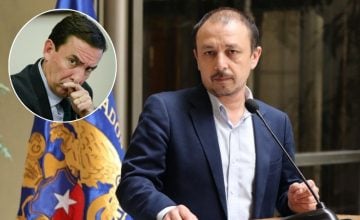
In parallel, from Congress, socialist Deputy Daniel Manouchehri also criticized the state secretary for sending the data to the Senate instead of the deputies.
“Rabat delivers the decrees to the Senate and not to the Chamber, which has the authority to oversee him. What is he hiding? The one being scrutinized cannot choose who oversees him,” the legislator stated in reference to the constitutional accusation led by the opposition.
Finally, he urged the authority to halt his “maneuver” and required him to “comply with the law, respond to inquiries, and prepare for the constitutional accusation.”
Obtén tu Pasaporte y apoya a El Ciudadano
Elimina la publicidad, accede a contenido exclusivo y sé parte de la comunidad.
Cancela en cualquier momento · Sin permanencia