Original article: Las hermanas Soong: la historia que Occidente debería recordar antes de hablar de mujeres espías
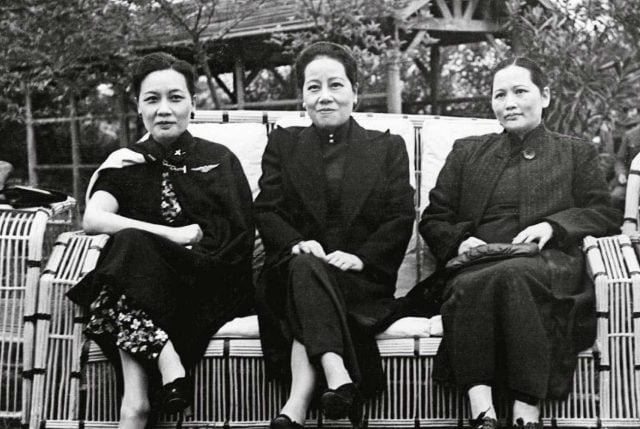
Long before Washington began to scrutinize Chinese women linked romantically to powerful figures in the U.S. economy and technology sectors, three women had played extraordinary roles in China’s history. We are talking about the Soong Sisters, a story the West should remember before discussing women spies and who married some of the most influential men of their time, becoming central figures in revolutions, political disputes, fortunes, and decisions that shaped the course of Zhōngguó (China).
By Bruno Sommer
In recent weeks, certain Western media outlets have propagated a narrative that curtails the presence of Chinese women in positions of power—especially those married to technology moguls in the U.S.—to an alleged espionage plot. This framework not only lacks robust evidence in most cases but also overlooks a much deeper historical reality: Chinese women have played a central role in the development of their society across science, politics, economics, and the arts. This is not a case of infiltration but rather a continuation of a tradition of female leadership with roots going back to the 20th century, embodied most emblematically by the Soong Sisters.
One case that has drawn attention lately is that of Alice Huang, also known as Huang Le, a Chinese businesswoman linked to the international semiconductor business and Nvidia. According to information attributed to U.S. intelligence sources and published by The New York Times, Huang has been suspected of having connections with Chinese intelligence and for her closeness to Jensen Huang, the founder and CEO of Nvidia. These allegations have not been independently verified by Reuters, while Beijing has rejected them. The businesswoman herself has not been formally accused of espionage.
Far from being extraordinary figures, the Soong Sisters were women who, after their privileged education in the United States, returned to China to influence the destiny of an entire nation. Ai-ling, Ching-ling, and Mei-ling were not secret agents; they were visible architects of power. They married the most influential men of their time—a banker, the founder of the Republic, and the nationalist leader—but their influence extended beyond their roles as wives. Ching-ling served as Vice President of the People’s Republic of China; Mei-ling addressed the U.S. Congress in 1943 to advocate for the Allied cause; Ai-ling managed financial empires and advised heads of state. Their story demonstrates that Chinese women have been at the center of politics, economics, and diplomacy long before the modern concept of ‘technological espionage’ existed.
During the tumultuous first half of the 20th century, as China grappled with imperial collapse, republican revolution, Japanese invasion, and civil war, three women from the same family became pivotal figures of power. They were Ai-ling, Ching-ling, and Mei-ling Soong, popularly known as ‘the three princesses’ or the Soong Sisters. Their story is not merely one of three sisters but of a nation seeking its identity through their marriages, convictions, and, ultimately, its divisions.
An Education for Power
The source of their influence traces back to their privileged upbringing in Shanghai. Daughters of Charlie Soong, a banker and Methodist minister educated in the U.S., and Ni Kwei-tseng, the sisters grew up in an environment that blended Chinese tradition with a profound admiration for Western culture. This cosmopolitan outlook led their father to send them, at a young age, to study at Wesleyan College in Macon, Georgia, USA. They were among the first Chinese students in America, and their experience in the segregated South forged in them a unique character and a global perspective that no other Chinese woman of their time possessed. There they not only learned English but also developed the determination to influence the future of their country.
Upon their return to China, each took a distinct path, yet intertwined with power:
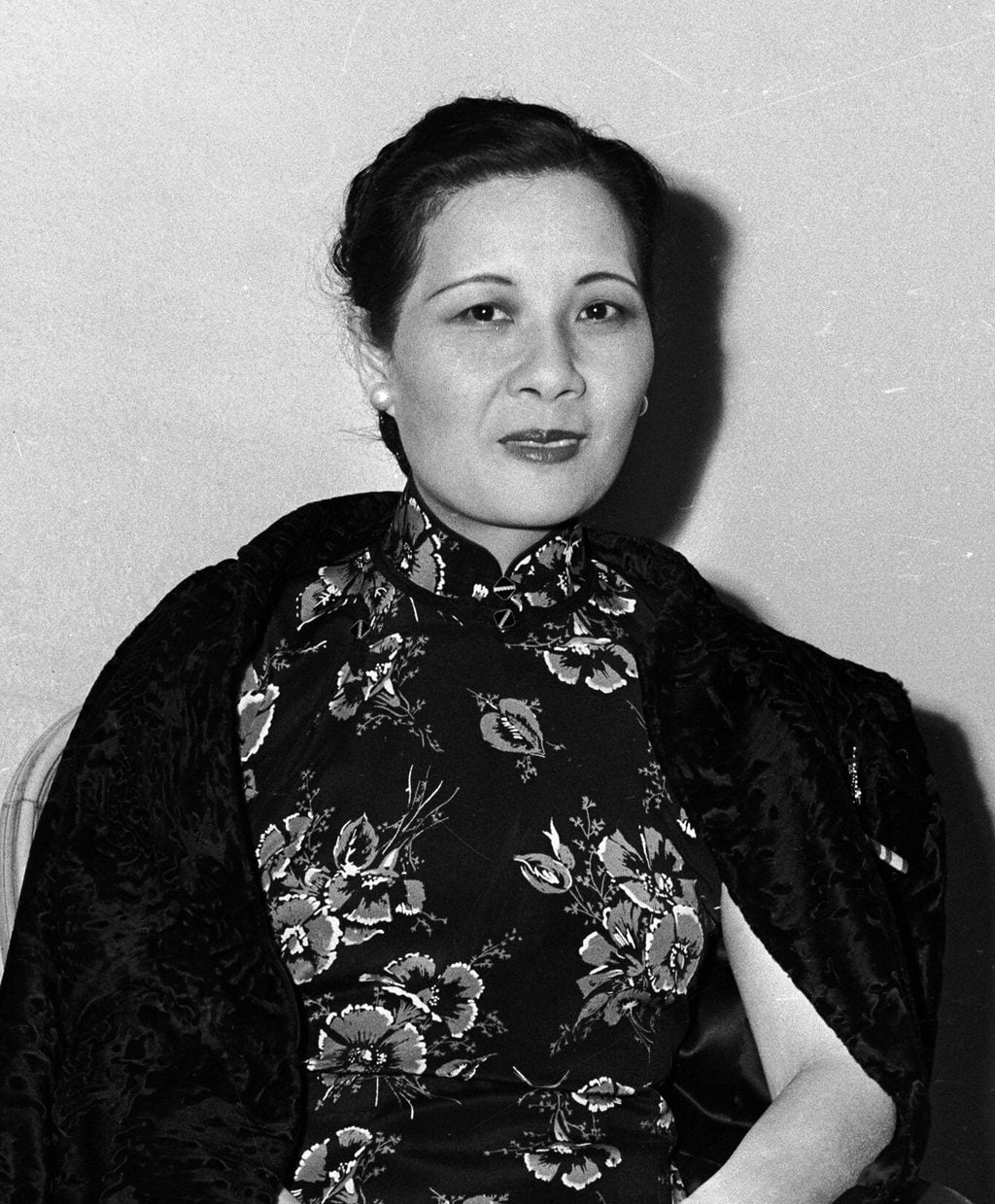
Soong Ai-ling (1890-1973), the Eldest Sister, married H. H. Kung, a banker who, with her help, became the richest man in the Republic of China. Ai-ling became one of the wealthiest women in the country and an unofficial advisor to her brother-in-law, Chiang Kai-shek, wielding immense behind-the-scenes influence in the nationalist faction.
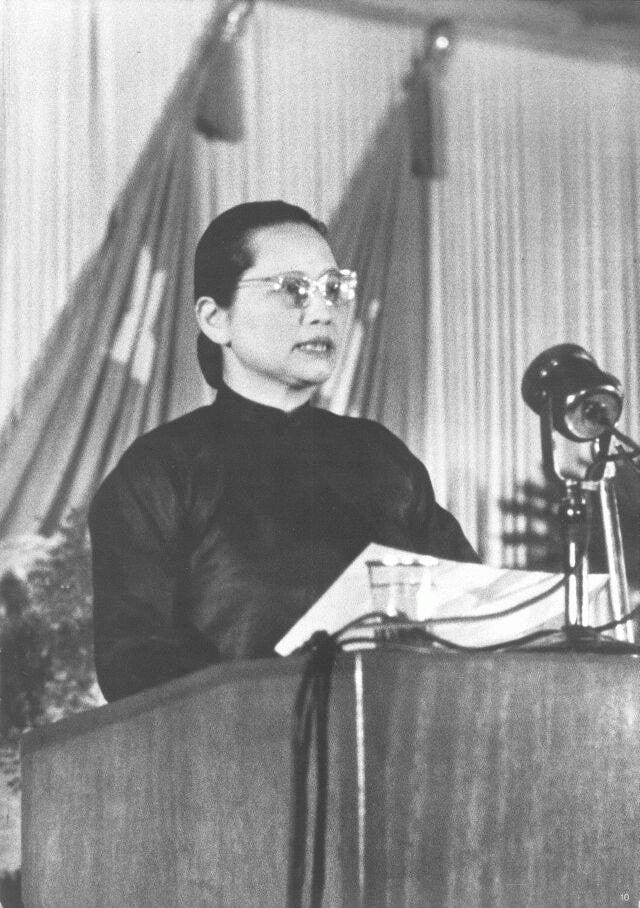
Soong Ching-ling (1893-1981), the Red Sister, took a more ideological path. In 1915, she married Sun Yat-sen, the ‘Father of Modern China’ and founder of the Republic. After Sun’s death, Ching-ling remained faithful to his revolutionary ideals and aligned herself with the Chinese Communist Party. Her convictions led her to hold prominent positions in the People’s Republic of China, ultimately becoming Vice President from 1949 to 1968 and later, honorary president.
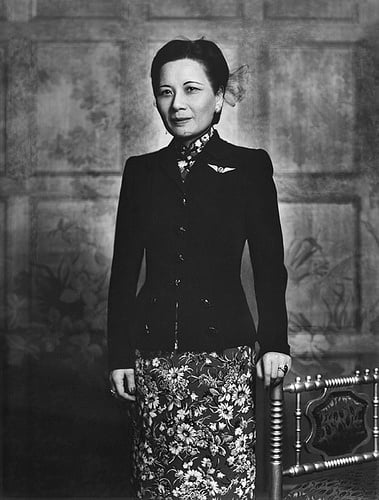
Soong Mei-ling (1897-2003), the Youngest Sister, married Chiang Kai-shek, the leader of the Kuomintang (Nationalist Party) in 1927. As the First Lady of Nationalist China, she was much more than a decorative figure. She acted as his translator, advisor, and primary ambassador to the West. Her pinnacle came in 1943 when she became the first Chinese woman and the second woman in history to address a joint session of the United States Congress to request support in the fight against Japan.
The Familial Schism Reflecting the Civil War
The relationship between the sisters mirrored China’s political fracture. Ching-ling’s alliance with the communists placed her on the opposite side from her sisters Ai-ling and Mei-ling, who strongly supported Chiang Kai-shek’s nationalist government. This ideological divergence caused a profound personal rift that kept them apart for years.
However, the Japanese invasion of 1937 achieved what politics could not: the three sisters reunited after a decade of separation to join forces against a common enemy. Together, they made public appearances, visited hospitals and orphanages, and engaged in humanitarian efforts. Ai-ling, for example, donated ambulances, trucks, and uniforms to the army. It was a brief yet powerful interlude of familial unity amidst the chaos of war.
With the communist victory in 1949, the fate of the sisters was sealed. Ching-ling remained in mainland China, while Ai-ling and Mei-ling exiled first to Taiwan and then to the United States, where they passed away. They never saw each other again.
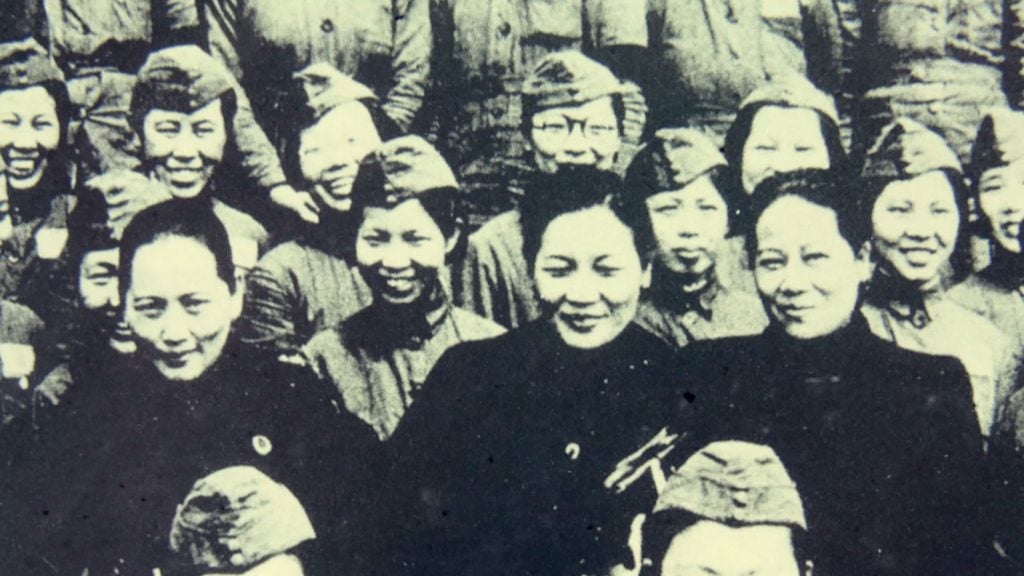
The story of the Soong Sisters is the chronicle of a family at the epicenter of power. Through their strategic marriages and innate talent for politics, they managed to dominate the national scene for nearly half a century. They were active agents in transforming their country, and their complex personal and political relationship is a testament to the depth and contradictions of 20th-century Chinese history.
The narrative of ‘the Chinese spy with a tech husband’ is not just simplistic but profoundly ahistorical as it overlooks how the Soong Sisters already defied the stereotypes of their era by becoming protagonists in China’s history. If anything, these three sisters demonstrate that Chinese female power is explained not by secrecy but by education, genuine ambition, and the ability to influence their surroundings. Reducing this reality to a plot of espionage is not only unjust but also a way to belittle the historical agency of Chinese women.
By Bruno Sommer
Founder of El Ciudadano
Obtén tu Pasaporte y apoya a El Ciudadano
Elimina la publicidad, accede a contenido exclusivo y sé parte de la comunidad.
Cancela en cualquier momento · Sin permanencia