Original article: Kast bajo mirada internacional: Rebajas de condenas a criminales de lesa humanidad fueron llevadas ante la CIDH
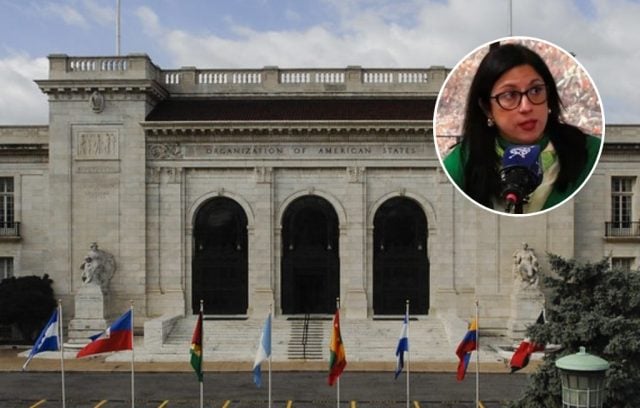
In a letter sent to the Inter-American Commission on Human Rights (IACHR) on November 9, four civil society organizations expressed their «deep concern» regarding what they describe as a systematic dismantling of human rights policies in the country.
The letter—signed by the Network of Observers in Justice and Memory, London 38 Space of Memories, the Association for Memory and Human Rights Colonia Dignidad, and the National Association of Fiscal Employees (ANEF)—was directed to the IACHR’s Executive Secretary, Tania Reneaum Panszi, and includes 23 questions for the organization to formally request explanations from the Chilean state.
One of the key issues raised was what they termed the «Rabat strategy of impunity,» which refers to early releases and sentence reductions for individuals guilty of crimes against humanity.
The letter points out that between March and October, the Human Rights Program did not participate in 29 hearings concerning the freedom of 24 agents convicted of serious human rights abuses.
According to the allegations, this decision—driven by directives from the Ministry of Justice—resulted in the immediate release of six agents and sentence reductions for two others.
Magdalena Garcés from the Network of Observers in Justice and Memory stated, «This is a strategy by the Ministry of Justice and Human Rights, aimed at facilitating the early release of state agents convicted of serious human rights violations.»
Additionally, concerns were raised about a decree reducing the sentence by 19 months for former agent César Luis Acuña Luengo, signed by the former Undersecretary of Human Rights, Pablo Mira, as well as sentence reductions for 56 individuals convicted of abuse and sexual violence against children and adolescents.
Budget Cuts to the National Search Plan and Memory Sites
The next point pertains to the projected budget for 2027 by the Chilean Executive, which includes drastic reductions in human rights and justice funding.
«The National Search Plan is seeing a real reduction in resources by 27.71%, while the Memory Sites Program faces a 60.69% cut, losing all investment funds and undergoing an overall reduction of 78.6% compared to the 2026 baseline,» the organizations alerted.
Paulina Zamorano from the Network of Observers emphasized that this is a concerning indication of denialism ingrained in the Executive, warning that “we are facing unprecedented regression in human rights,” which directly impacts the protection and safeguarding of historical memory.
The organizations also warned that in this budget discussion, the National Search Plan and 14 Memory Sites would be left without funding.
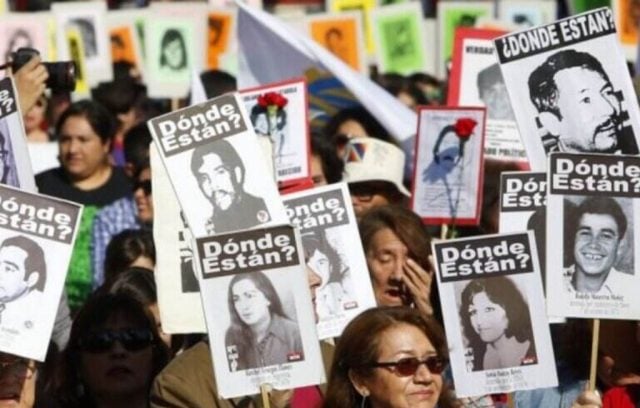
In this context, they raised alarms about the halt in expropriation processes at the former Colonia Dignidad and the lack of guarantees to protect evidence at the old torture center, while also noting a UN call to prevent uses of the site that might compromise its preservation, as stated by the Association for Memory and Human Rights, Colonia Dignidad.
Regressive Reform to the National Human Rights Institute
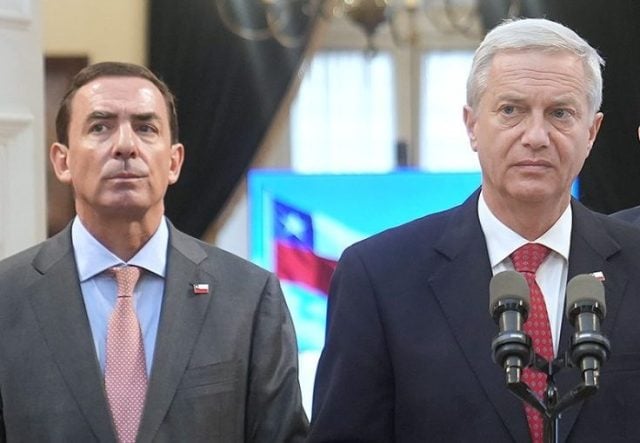
A third point raised in the letter to the Inter-American Commission on Human Rights concerns the reform the Kast administration is seeking to push through for the National Human Rights Institute.
The letter states that «the Executive submitted a bill that seeks to fundamentally transform the INDH,» highlighting critical aspects such as the proposed reduction of the Council from 11 to 5 members, which excludes civil society from the direct appointment of advisors, establishing that the first Council will be appointed by the President.
«Additionally, it eliminates regional offices, removes the INDH’s ability to file lawsuits, and reduces its budget by 22%,» the organizations added in their letter.
“These Are Not Neutral Numbers: They Compromise Programs, Jobs, and Rights”
From ANEF, officials warned that the current budget discussion undermines the state’s capacity to guarantee fundamental rights. «We remain vigilant: not a penny less for the citizens,» said Nuvia Guajardo from the Association of Officials of the Subsecretariat of Justice.
Furthermore, cuts in the Culture sector (10.1%) and the «limited» funding of Prodemu only until March 2027 were denounced, potentially leading to its closure, thereby affecting key programs for children, women, and vulnerable populations, among others.
In light of this scenario, the signing organizations demanded that the IACHR seek explanations from the Chilean state regarding the rationale and effects of these decisions, as well as urgent measures to ensure the continuity of public services, protect testimonies and evidence, and fulfill state obligations regarding truth, justice, memory, and reparation.
We will continue to provide updates.
Obtén tu Pasaporte y apoya a El Ciudadano
Elimina la publicidad, accede a contenido exclusivo y sé parte de la comunidad.
Cancela en cualquier momento · Sin permanencia