Original article: «El Niño 2026»: Especialista advierte que proyección de lluvias no resolvería efectos de sequía estructural que afecta a Región de Coquimbo
Various experts have cautioned that the «El Niño 2026» phenomenon may share similarities with the historic 1997 event in the Coquimbo Region, with a focus on rainfall projections expected late in winter and into spring.
However, there is a consensus that this scenario will not resolve the severe water crisis and resource scarcity that the area has been experiencing for over a decade due to structural drought.
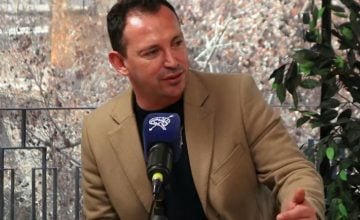
In this regard, Pablo Álvarez, director of the Agriculture and Environmental Resource Monitoring and Modeling Laboratory at the University of La Serena, explained that «the similarities between the 1997 El Niño and the upcoming 2026 version can be seen in the current surface and subsurface sea temperatures off the Ecuador coast. However, it must be noted that this is just one of the variables that influence the phenomenon’s effects.»
He added that forecasts suggest a late development for this El Niño, with sea surface temperatures potentially reaching high levels towards the end of winter and throughout spring and summer when the phenomenon typically peaks in intensity.
«This does not mean the phenomenon will unfold in the same way. In 1997, the region was recovering from three years of drought, whereas today we are facing a structural drought that began in 2010. We have been experiencing extreme water deficits for 14 to 15 years, which means the watersheds’ responses to any potential rainfall might be less than anticipated,» added the Doctor in Water Resource Management.
Further emphasizing this issue, Dr. Álvarez, who is also the director of the Quitai-Anko Water Technology Consortium, pointed out that reservoirs are currently at around 11% capacity and continue to decline.
«The three watersheds in the region are seeing historical low flows, and aquifers are on a downward trend. Therefore, regardless of projections, we are currently facing a critical water situation,» warned the researcher.
This implies, the academic indicated, that «first and foremost, we must coexist with a water security problem that affects everything from human consumption to economic activities like agriculture. It is essential for both public and private sectors to acknowledge that structural drought conditions require us to plan with water security as a central aspect of territorial development.»
«Simultaneously, the possibility of a late El Niño could coincide with high zero isotherm levels, causing snowmelt, or simply result in liquid precipitation that drags sediment into rivers, which could also impact water availability,» Dr. Álvarez proposed.
Diving deeper, the University of La Serena expert warned that supply issues related to sediment in watercourses could arise.
The Citizen
Obtén tu Pasaporte y apoya a El Ciudadano
Elimina la publicidad, accede a contenido exclusivo y sé parte de la comunidad.
Cancela en cualquier momento · Sin permanencia