Original article: “Grave e irresponsable”: cuestionan a Gloria Naveillán por presidir comisión de DD.HH. y apuntar contra la Ley Indígena
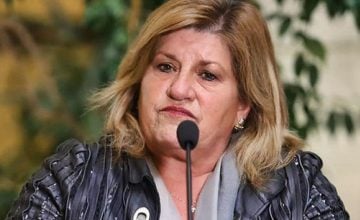
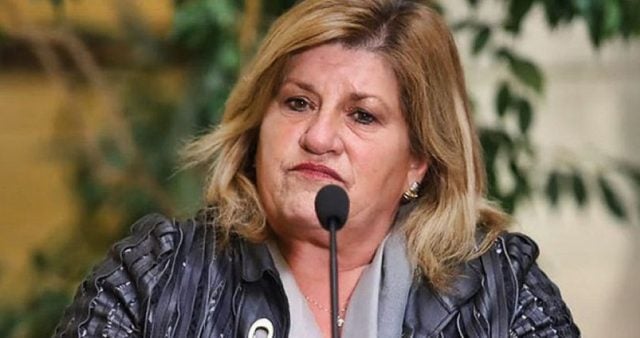
The appointment of extreme-right deputy Gloria Naveillán as president of the Chamber of Deputies’ Human Rights and Indigenous Peoples Commission has sparked significant backlash from indigenous communities and human rights organizations. Criticism has intensified following Naveillán’s public call for changes to the Indigenous Law and land restitution mechanisms, a stance seen as a direct assault on the historical achievements of indigenous peoples.
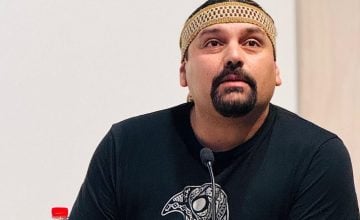
Among the most vocal critics is Ana Llao, a national counselor at the National Corporation for Indigenous Development (Conadi), who has expressed concern over Naveillán’s role in the legislative body.
Llao argues that the deputy’s statements reflect a profound ignorance of indigenous realities and reveal an intent to erode hard-won rights that have emerged after decades of mobilization and resistance.
Naveillán was elected as the new chair of the Human Rights and Indigenous Peoples Commission, winning by a vote of 7 to 3 against Communist Party legislator Lorena Pizarro.
Upon taking office, she announced her intention to summon Justice and Human Rights Minister Fernando Rabat and Undersecretary Pablo Mira for the second session.
She emphasized that leading this commission is «very relevant» for the National Libertarian Party, as it deals with topics such as «pardons, the situation of incarcerated individuals, and especially the reform of the Indigenous Law.»
In the opinion of the deputy representing the La Araucanía region, «this legislation currently has serious deficiencies and needs urgent changes to prevent abuses and improve its functionality.»
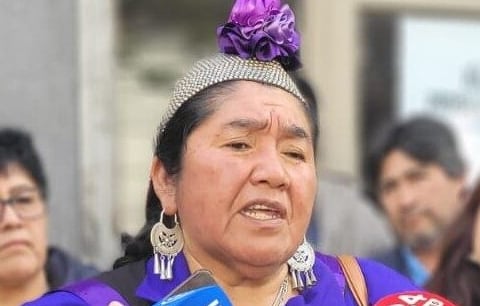
Conadi Counselor Rejects Naveillán’s «Grave and Irresponsible» Statements
For Ana Llao, these remarks represent a gesture of institutional hostility that cannot be overlooked, especially from someone who will lead the commission tasked with safeguarding human rights and the rights of indigenous peoples.
The Conadi counselor labeled the extreme-right legislator’s comments as “grave and irresponsible” and clarified that the current Indigenous Law is not merely a collection of legal provisions but the result of a long struggle, organization, and historical demands from Chile’s indigenous communities and peoples.
She emphasized that this legislation enshrines fundamental rights regarding land, water, development, and culture, which should not be relativized or ignored.
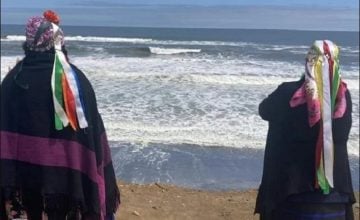
Llao warns that Naveillán’s proposals should not be viewed as mere political opinions but as a real threat to already established rights. She stressed that any deep interventions and modifications to the Indigenous Law and the so-called Lafkenche Law, which regulates coastal use by indigenous communities, would represent an unacceptable regression.
According to her analysis, these intentions not only jeopardize the legal security of communities but will also provoke widespread rejection from indigenous peoples nationwide.
However, Llao’s criticisms extend beyond Naveillán’s remarks to what she describes as a concerning institutional regression propelled by the current administration of José Antonio Kast.
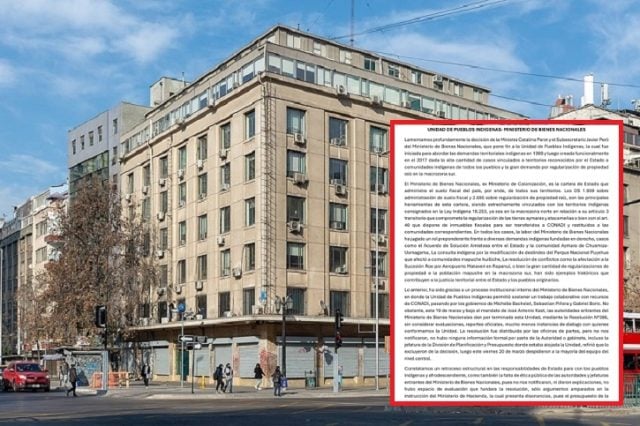
She pointed out that the ultra-right leader began his tenure by dismantling key spaces for indigenous management. A tangible example she cited was the elimination of Indigenous Affairs offices in various ministries, including the Ministry of National Assets, which, in her view, undermines the state’s ability to respond to territorial demands and recognition of indigenous peoples.
“We will defend our history, our rights, and our achievements against those who deny us and seek to roll back progress,” the counselor asserted, issuing a call to alert indigenous organizations and the general public.
“We will not accept attempts to erase decades of struggle by our peoples through misinformation,” she emphasized, as reported by the newspaper El Periódico.
Naveillán’s Controversial History Clashes With Her New Role
Gloria Naveillán’s appointment to the head of the Human Rights and Indigenous Peoples Commission has reignited discussion not only about the political direction of such bodies but also about the highly tense episodes she has been involved in, as well as her controversial statements that have drawn condemnation from human rights organizations.
Her public profile was marked in 2018 following the murder of Camilo Catrillanca, whom she referred to in a WhatsApp audio as a “damned delinquent,” justifying the actions of the police, a version that was later dismissed by the judiciary.
In addition, she has made direct accusations against Mapuche community members without judicial backing and called on civilians in 2020 to “confront” protests at the Municipality of Curacautín and other municipalities, actions that reveal a trajectory incompatible with the role she is now assuming.
In May 2019, the PNL parliamentarian publicly accused Mapuche community member Adán Huentecol of being involved in an arson attack in Collipulli; however, the accusation was rejected by Huentecol, who subsequently filed a lawsuit for defamation and slander, among numerous other incidents.
Artículos Relacionados
Lafkenche Law: Celebrated Worldwide in 2025, Faces Political and Business Challenges in Chile
Hace 3 meses