Original article: Ataque al Abraham Lincoln: Irán afirma haber alcanzado al portaaviones de EE.UU.
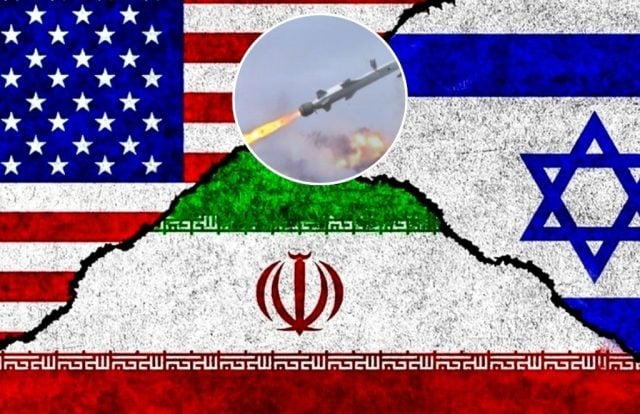
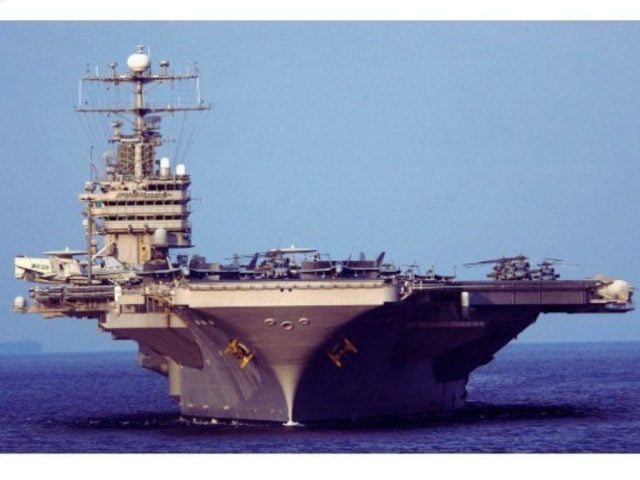
A new chapter in the military escalation in Western Asia unfolded on Wednesday when Iranian officials asserted that they had targeted the U.S. aircraft carrier USS Abraham Lincoln with cruise missiles launched from the coast.
According to Iranian agencies such as Fars and Mehr, the Islamic Republic’s naval forces allegedly aimed at the carrier strike group, claiming that their actions either resulted in an impact or at least forced changes in its positioning in the area.
So far, there has been no independent confirmation of the alleged impact, nor has there been any official validation from the United States.
Missiles and Warnings from Tehran
According to information released by Iranian agencies, the alleged attack was executed with Qadir cruise missiles launched from coastal platforms, directly targeting the naval group led by the USS Abraham Lincoln.
The commander of the Iranian Navy, Admiral Shahram Irani, stated that the U.S. vessel is under constant surveillance and warned that it would be targeted again if it entered the range of Iran’s missile systems.
In a similar vein, Iranian authorities insisted they would not cease operations until they “avenge” their fallen military personnel from previous attacks, amidst the ongoing conflict with the United States and Israel.
Official media also released images claiming to show the attack, although their content does not conclusively verify any impact on the aircraft carrier.
Iranian Navy Cruise Missiles Strike USS Abraham Lincolnhttps://t.co/DLE5rJdZyy pic.twitter.com/T3hRYOCmfT
— Fars News Agency (@EnglishFars) March 25, 2026
Conflicting Reports and Information Warfare
This incident fits into a dynamic well-established in the conflict: claims of hits by Tehran and denials or lack of confirmation from Washington.
Previous reports show a similar pattern. In recent weeks, Iran had already claimed to have struck the USS Abraham Lincoln, while U.S. officials denied those attacks, asserting that the vessel remained fully operational.
Escalation in the Middle East
The alleged attack occurs amidst a backdrop of heightened regional tension. Since late February, the United States and Israel have conducted military offensives against Iran, triggering a series of retaliations from Tehran, including missile and drone attacks against Israeli and U.S. targets.
Meanwhile, Iran has tightened its control over the Strait of Hormuz, through which nearly 20% of the world’s oil passes, increasing pressure on energy markets and impacting global fuel prices.
In this scenario, the USS Abraham Lincoln has become a significant symbol of U.S. military presence in the region and, as such, a recurrent target of Iranian threats.
A Conflict Escalating on All Fronts
Regardless of whether the attack actually hit the ship, the episode underscores a key point: the conflict between the United States, Israel, and Iran extends not only on land and air but also within maritime and communicational realms.
Assertions about strikes on strategic assets, such as an aircraft carrier, carry significant political and symbolic weight.
Amidst this escalation, the risk of a larger direct confrontation remains ever-present, as each new incident raises the stakes in a region crucial for global energy balance and geopolitical stability.
Artículos Relacionados
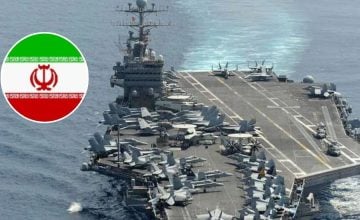
Iran Claims 650 U.S. Casualties as USS Abraham Lincoln Withdraws to Indian Ocean Following Attacks
Hace 3 semanas
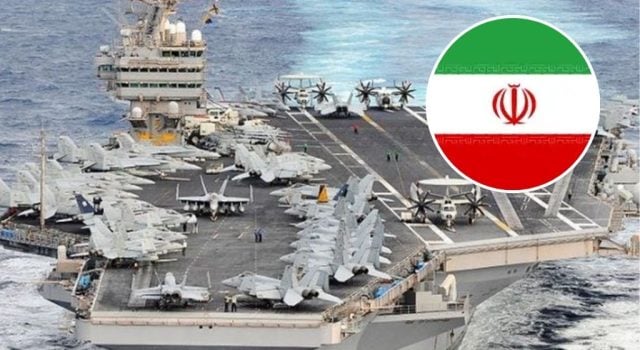
Irán desafía al Pentágono: asegura que drones golpearon al USS Abraham Lincoln cerca del estrecho de Ormuz
Hace 3 semanas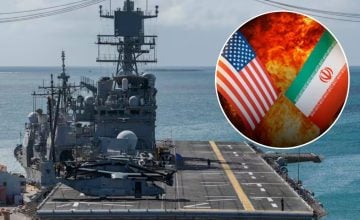
U.S. Aircraft Carrier Enters Middle East as Iran Asserts Readiness for Any Aggressive Scenario
Hace 2 meses