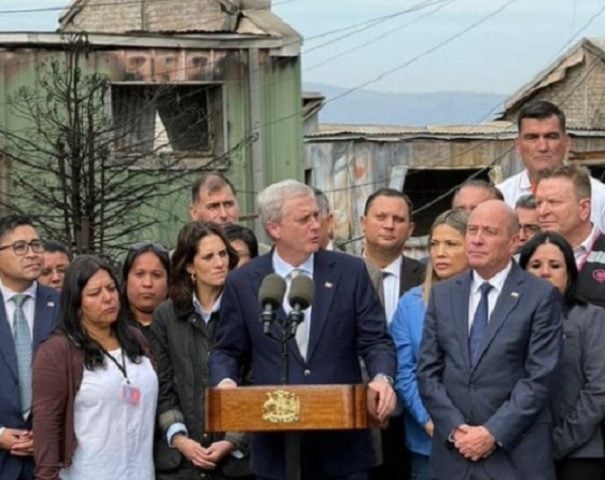
Original article: “En las cenizas de Penco”: Cuestionan anuncios de Kast de rebaja de impuestos a grandes empresarios y recorte a la gratuidad
Kast Unveils ‘National Reconstruction’ Plan in Penco: Tax Cuts for Big Businesses and Cuts to Free Higher Education Under Fire
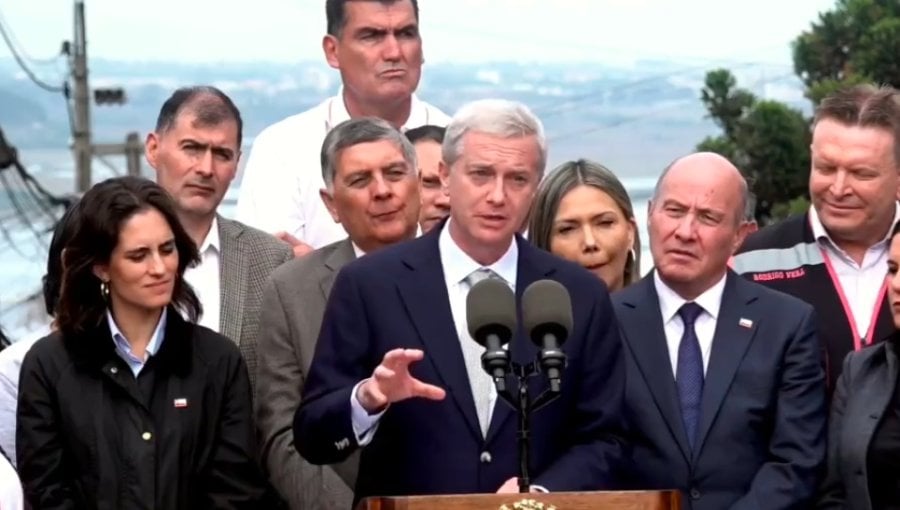
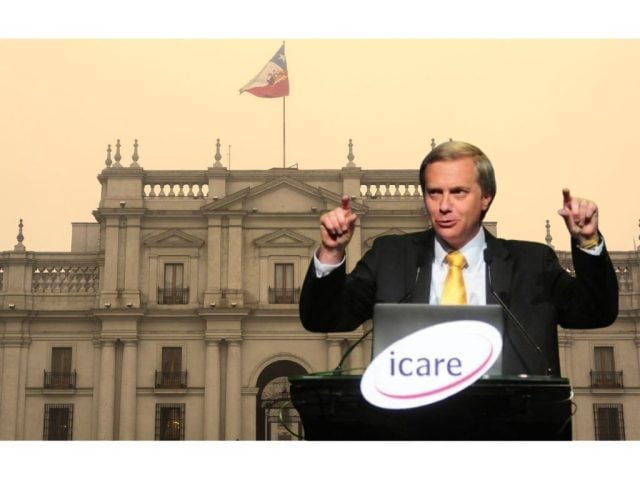
During a symbolically charged visit to the Ríos de Chile sector in Penco—ground zero for the wildfires that claimed 19 lives and destroyed nearly 5,000 homes in January—President José Antonio Kast formally submitted the «National Reconstruction» bill. Joined by his full cabinet, including Finance Minister Jorge Quiroz and Housing Minister Iván Poduje, the President introduced a plan comprising over 40 measures structured around five strategic pillars that combine economic revitalization with fiscal adjustments to the higher education system.
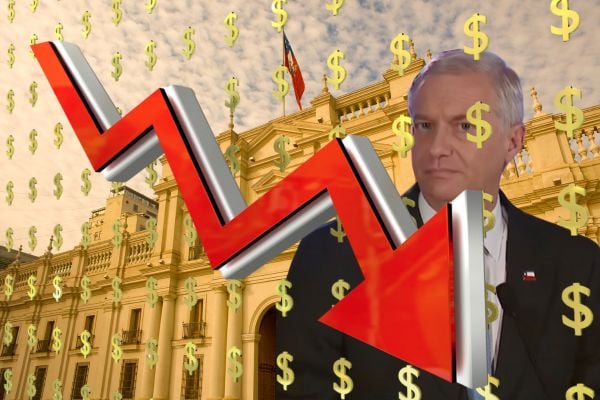
A key aspect of the proposal lies in incentives for private investment that have sparked immediate debate. The bill includes a temporary elimination of VAT on housing and a significant corporate tax reduction, lowering the rate from 27% to 23%. According to the President, this tax decrease aims to inject liquidity into the productive sector so that companies «reinvest their surpluses in affected areas and accelerate the recovery of formal employment.» Additionally, the administration proposes a reintegration of the tax system and the elimination of capital gains tax.
Moreover, it was announced that free university education would be limited exclusively to students under 30 and that its extension to new income brackets would be halted. The plan also contemplates changes to the charging of the State-Guaranteed Credit (CAE).
These measures contrast sharply with what the then-candidate assured during his presidential campaign, where Kast repeatedly stated that he would not cut social benefits, including free higher education. Despite proposing a fiscal adjustment, he emphasized during the campaign that free education, health care, and guaranteed universal pensions would remain untouched.
Deputy Emilia Schneider recalled this promise on her social media account: «We caught you, President @joseantoniokast. You said you would not cut free education or any other social benefit, and now you want to restrict it. Another lie, like the ‘emergency government.’ You say one thing and do another.»
“Using Disaster to Benefit the Wealthy”
The opposition’s reactions were swift. Senator Diego Ibáñez was particularly critical: «Kast stands among the ashes of Penco to announce a tax cut for large companies and a reduction in free education, a product of a decade of student mobilizations. This is not a national reconstruction plan; it is using disaster to benefit those who have the most while imposing costs on the poorest youth. From the Senate, we will evaluate each measure based on its real impact on people, not on its communication fanfare, especially not for a small elite.»
From the ranks of the official opposition, Deputy Nelson Venegas also questioned the government’s strategy: «The first measures of the new government are to reduce free education for university students and lower taxes for large businesses. What is President Kast trying to achieve? To set fire to the prairie for which care has been entrusted to him? Does he really not realize what will happen?» Meanwhile, historic former Socialist Senator Camilo Escalona warned about the risks of the initiative: «Kast has taken the wrong path; cutting free education and reducing taxes to benefit big business undermines the social peace necessary for Chile’s democratic governance.»
Deputy Carolina Tello stated emphatically on her official account: «Families who lost their homes need reconstruction. Not tax cuts. No more debt for education. Not an economic package disguised as an emergency. During the campaign, Kast promised that there would be no cuts to social benefits. Today we see the opposite.»
Deputy Daniel Manouchehri pointed to the political cost of the measure: «President Kast promised not to touch social rights. But his first agenda reduces free education and targets CAE debtors. This is a backward social agenda.»