Original article: Santiago: KIMVNTeatro estrena obra que ahonda en las adopciones irregulares de niños de origen indígena
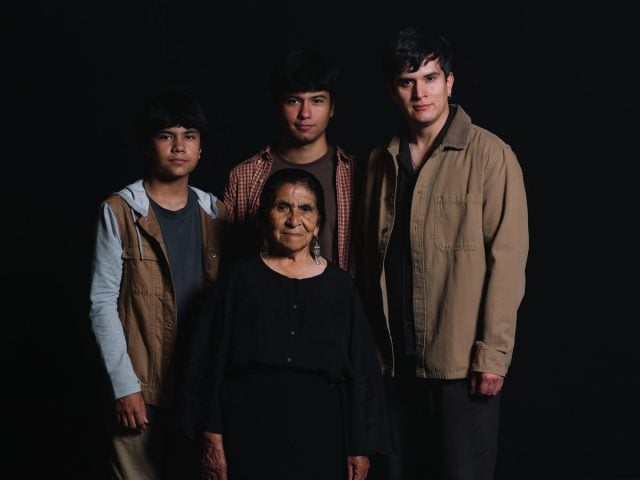
Other events. Another form of violence. A contemporary perspective on indigenous peoples. This is the critical examination presented by KIMVNTeatro with the premiere of ‘Ütruf Tripay’, written and directed by Paula González Seguel. The play delves into a painful episode whose consequences continue to resonate today: the irregular adoptions of indigenous individuals during the dictatorship.
Countries such as France, Switzerland, the Netherlands, and Italy became the destinations for these mostly indigenous children who were kidnapped through a web of civil and institutional complicity that facilitated thousands of illegal adoptions during the military dictatorship.
Exploring these stories, explains the director Paula González Seguel, stems from a need «to continue working consistently with all the projects we have undertaken over these 18 years with KIMVNTeatro, a company committed to defending human rights, nature’s rights, and highlighting various social, political, and human issues affecting the Mapuche people and other indigenous communities historically and in our present day.»
This production, she added, «has been highly anticipated and has been woven with great patience since 2020. That year, we discovered through news reports that thousands of children had been irregularly adopted during the dictatorship, and to this day, there are still no policies for reparations concerning this violation of rights against Chilean and indigenous children.»
Thus, ‘Ütruf Tripay’ is an intergenerational production that invites the audience to connect with a historical truth that has impacted childhood in Chile, highlighting not only the Mapuche indigenous theme but also the broader issues faced by indigenous children globally.
Displacement
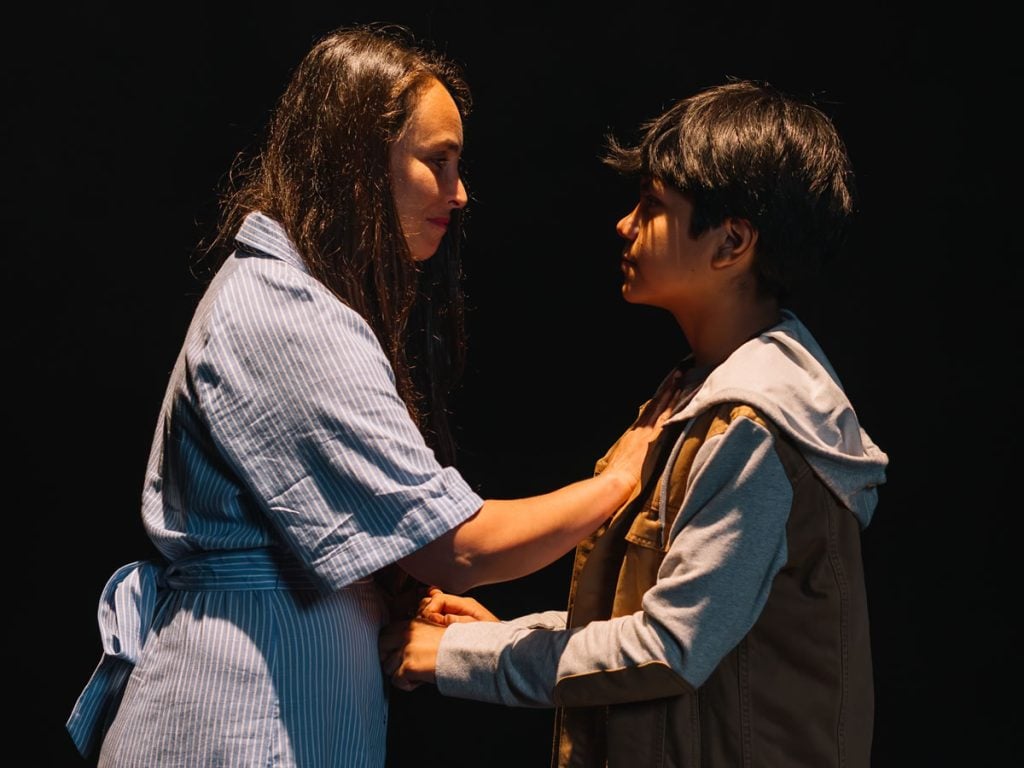
Part of what is depicted on stage comes from the lived experiences of these children, who, between denied languages and forgotten names, attempt to reconstruct their histories, reclaiming their sense of belonging, identity, and existence.
As the director explains, this aspect is created «thanks to the generosity of three key witnesses who have been instrumental in the creative process.»
These individuals are: Alejandro Quezada, a member of the international organization, who has spent years working on reunions from Europe to Chile; Alina Namuncura, who was adopted in Germany; and Jeannette Velázquez, a member of the organization Sons and Mothers of Silence.
«These three individuals have shared their experiences, and together with the study of archival materials, news articles, and academic theses on irregular adoptions, a sensitive narrative has been constructed, which we hope can move the audience and support the processes aimed at highlighting a tremendous violation toward these children, simply for being poor or indigenous, denying them any right to maintain their identities, territories, and sense of belonging,» stated Paula González Seguel.
Coordinates
‘Ütruf Tripay – Displacement’ is set to premiere as part of the programming for the 2026 International Theatre Festival Teatro a Mil.
Performances will take place on Thursday, January 22, Friday, January 23, and Saturday, January 24 at 8:30 PM at the Ana González Theatre, Teatro UC (Jorge Washington 26, Ñuñoa).
Tickets are available at ticketplus.cl and Teatro a Mil
Interdisciplinary Approach to Address the Issue
For this production, KIMVNTeatro once again engaged in an interdisciplinary research and creation process, facilitated through a dialogue among performing arts, music, documentary research, and audiovisual language, to create a performance that poetically weaves a journey through memory, identity, veiled historical truths, and a profound desire for justice.
The play, explains Paula González Seguel, «is shaped through various languages, where theatricality interacts with music and audiovisual language from the construction of its dramaturgy, scenic interpretation, and atmospheric creation. As a company and as a stage director, we continue to explore documentary language from its multiple forms and facets, opening unexplored possibilities to describe new ways to narrate and continue telling stories.»
For ‘Ütruf Tripay’, one of the key languages employed is music. As detailed by Evelyn González Seguel, the musical director of the piece and the company, music serves «as a narrative element that enhances the dramaturgy and the sensory experience of the audience, contributing to the construction of atmospheres that directly interact with the staged action and the audiovisual language presented during the performance.»
«Furthermore, it provides emotional grounding to the historical narrative present in the theatrical story. The sung music acts as an expressive language that amplifies the emotional weight of the characters and contributes to the creation of the dreamlike and symbolic universe embedded within the work,» added Evelyn González.
The project is funded by the Ministry of Cultures, Arts and Heritage of Chile, in collaboration with Punctuate! Theatre and Pemmican Collective Playwrights’ Cohort – Canada, Festival Sens Interdits – France, Fundación Teatro a Mil, CIIR (Center for Intercultural and Indigenous Studies), Viodemos, and the Chilean-French Institute, as well as the PAOCC (Collaborator Organizations Support Program).
El Ciudadano
