Original article: Editorial Universitaria presenta libro que advierte los desafíos jurídicos que enfrenta Chile en la Antártica
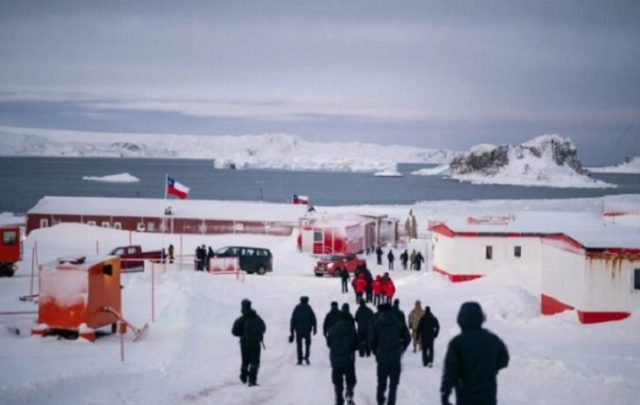
As climate change accelerates environmental transformations and global powers bolster their scientific and logistical presence in Antarctica, Chile faces a silent yet crucial challenge: strengthening its legal and strategic position on the continent.
This is the focus of «Antarctic Law Studies,» a book edited by Luis Valentín Ferrada and published by University Editorial, which delves into the regulatory framework governing one of the planet’s most sensitive regions. It also examines Chile’s role within the Antarctic Treaty System, an agreement that has maintained peace in the area for over sixty years.
The work explores the historical and legal foundations of Chile’s Antarctic aspirations while raising key questions: Is the country prepared for the impending changes? How will the climate scenario impact governance on the continent? What will happen when agreements regarding natural resources are reviewed?
«In a global context marked by strategic competition, technological advancement, and interest in critical minerals and biological resources, Antarctica is no longer just a remote area dedicated to science. It has become a territory where sovereignty, diplomacy, and international projection intersect,» notes the book’s review.
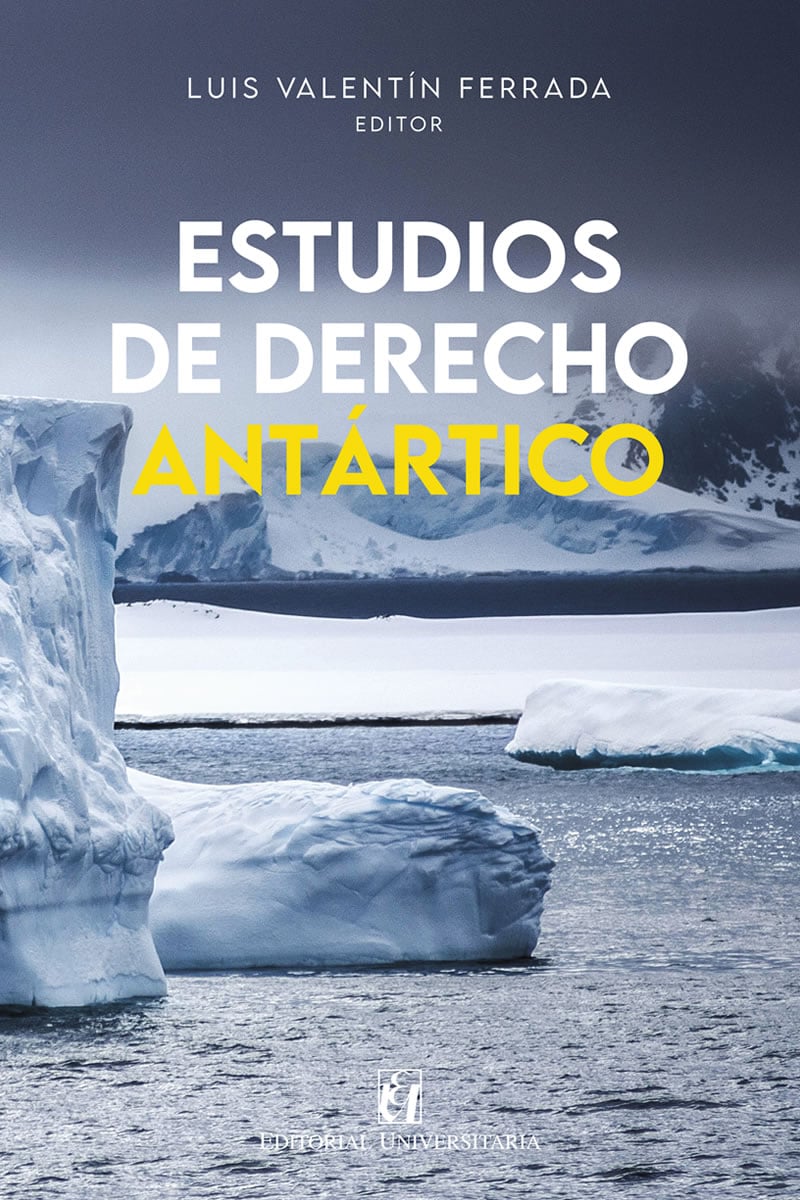
Moreover, the book addresses environmental challenges, emphasizing that Antarctica serves as a primary natural laboratory for studying climate change.
Thus, «the protection of the ecosystem, the regulation of human activities, and the strengthening of international cooperation appear as central themes to prevent the continent from becoming a new focal point of global dispute,» highlights the book’s introduction.
El Ciudadano
Relacionados

Urgent Call for Moratorium on Antarctic Krill Fishing After Failed Global Negotiations to Protect the Species
Hace 3 meses
"An Attack on Sovereignty": Officials Condemn Milei's Intervention in Ushuaia and Handing Over to Trump
Hace 3 semanas
Why Are Whales Dying in Patagonia? Concerns Over Salmon Cages, Vessels, and State Negligence
Hace 3 meses
University of Chile and Ministry of Cultures Launch Long-Awaited Book and Reading Ecosystem Platform
Hace 4 meses