Original article: Red contra la Violencia hacia las Mujeres denuncia que proyecto de la derecha abriría beneficios también a femicidas, violadores y pederastas
Chilean Women’s Network Warns New Right-Wing Bill Could Benefit Criminals, Including Femicides and Sexual Offenders
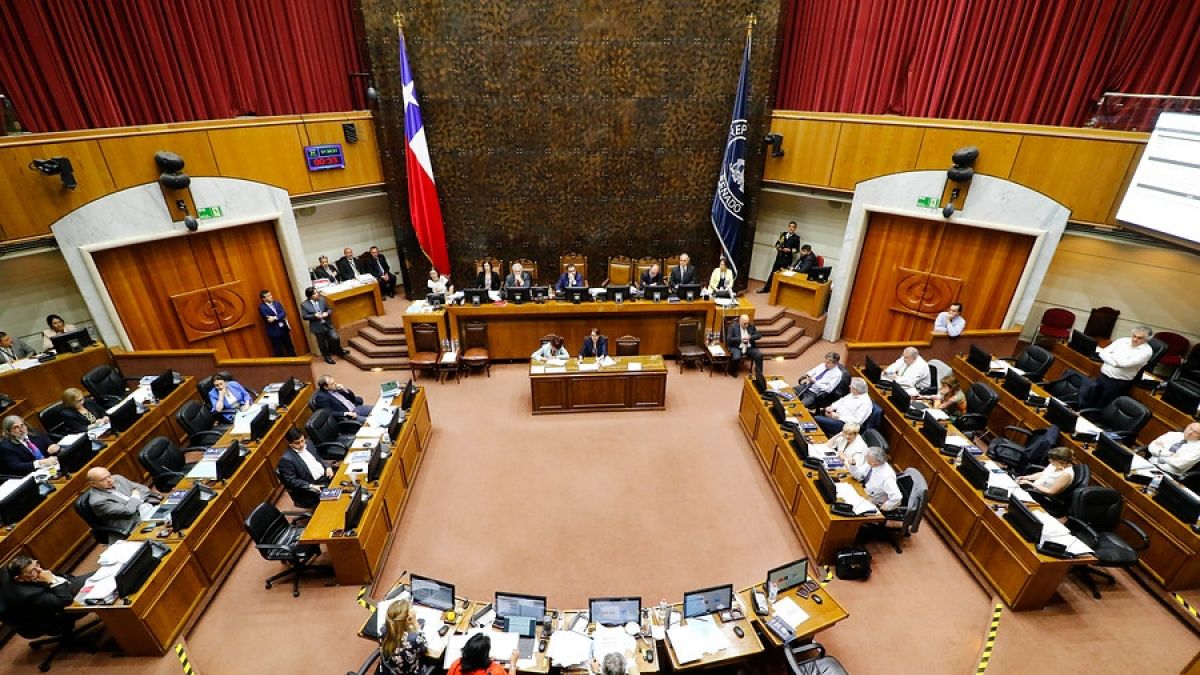
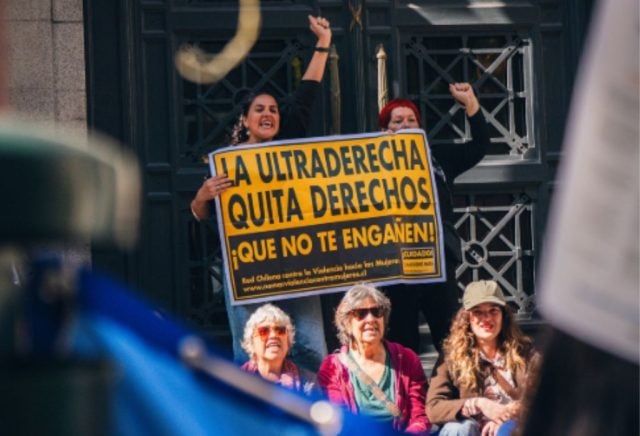
On the eve of International Women’s Day on March 8th, the Chilean Network Against Violence Towards Women has raised concerns over the recent approval by the Senate of a right-wing proposal that would allow reduced sentences for various types of criminals.
This legislation, introduced by Senators Francisco Chahuán, Luz Ebensperger, Luciano Cruz-Coke, Alejandro Kusanovic, and Carlos Kuschel, aims to create measures to suspend or substitute prison sentences with alternative penalties.
The proposal, which would allow for the commutation of prison sentences to house arrest for inmates over 70 years old, those with chronic illnesses, or disabilities, was narrowly approved with 23 votes for and 22 against.
The Chilean Women’s Network has warned that this legislation would not only benefit human rights violators from the civic-military dictatorship but also opens the door for convicted femicides, rapists, and pedophiles to serve their sentences «in the comfort of their homes.»
In their analysis, the organization highlighted the imminent danger posed by these offenders returning to the domestic space.
“Allowing offenders back into the home with total house arrest is a risk for women and children. While gender-based violence occurs in many settings, sexual violence and intimate partner violence, including lethal violence, predominantly happen at home,” they stated in a communication posted on their social media channels.
They also addressed the contradiction in the prevailing political discourse, observing how, in their view, women’s rights are being sidelined in favor of other legislative priorities:
«They speak of security and emergencies, but when it comes to the lives of women and children, we are left out of the conversation, and we see how they favor aggressors and criminals against humanity,” they noted.
Senator Macaya’s vote that tipped the balance and sparked controversy
It is important to recall that the decisive vote from Senator Javier Macaya (UDI) contributed to the approval of the project in the Senate, leading to significant controversy, especially given that his father, Eduardo Macaya, aged 73 and convicted of four sexual abuse offenses against minors, could directly benefit from this legislation.
“Senator Javier Macaya did not disqualify himself and took advantage of his vote in favor of the project,” criticized the Network.
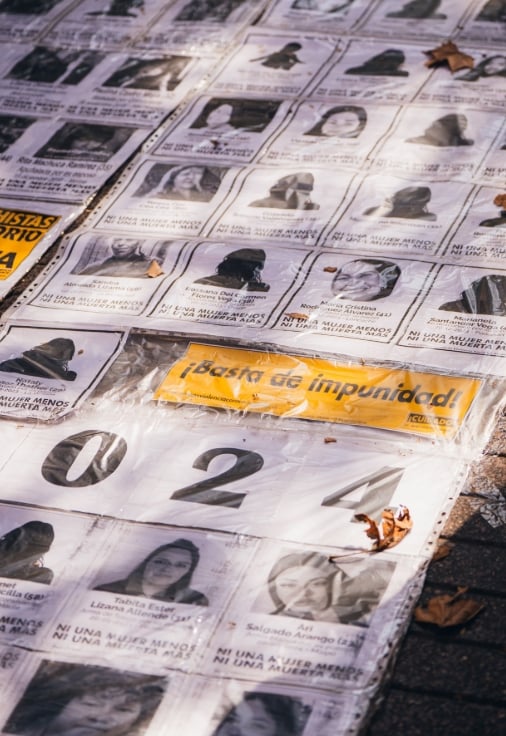
Faces of Impunity: Criminals Who Could Serve Sentences at Home
The concerns raised by the Network Against Violence Towards Women are not based on speculation. The organization has identified specific criminals who could potentially take advantage of this sentence commutation benefit. The list includes Miguel Krassnoff, a former agent of the dictatorship, convicted of human rights violations and torture of women; Hugo Bustamante, convicted of the murder of 18-year-old Ámbar Cornejo; Julio Pérez Silva, referred to as the «Psychopath of Alto Hospicio,» guilty of murdering young girls and women; and Eduardo Macaya, convicted of sexual abuse against minors.
“How can we expect women to trust institutions if their aggressors could be set free under these measures?” questioned the Network, raising their voice and summarizing the sentiment of many in society who are alarmed by the Senate’s general approval of this controversial law. If passed, it is estimated that more than 300 individuals convicted of crimes against humanity, along with over 300 criminals sentenced for homicide, femicide, child rape, and parricide, could benefit from these changes.
Relacionados
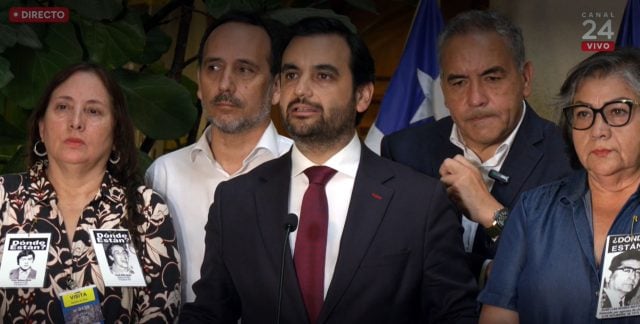


Sex Offender Father's Conviction Sparks Debate as Macaya's Key Vote Approves Prison Reform Bill
Hace 1 día