Original article: Incorporan iniciativa chilena de protección a cetáceos en plataforma internacional de conservación marina Whale Atlas
Chile’s Whale Protection Initiative Joins Global Conservation Platform Whale Atlas
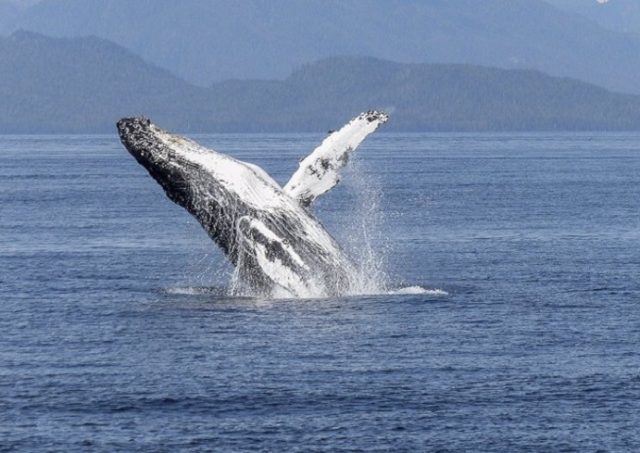
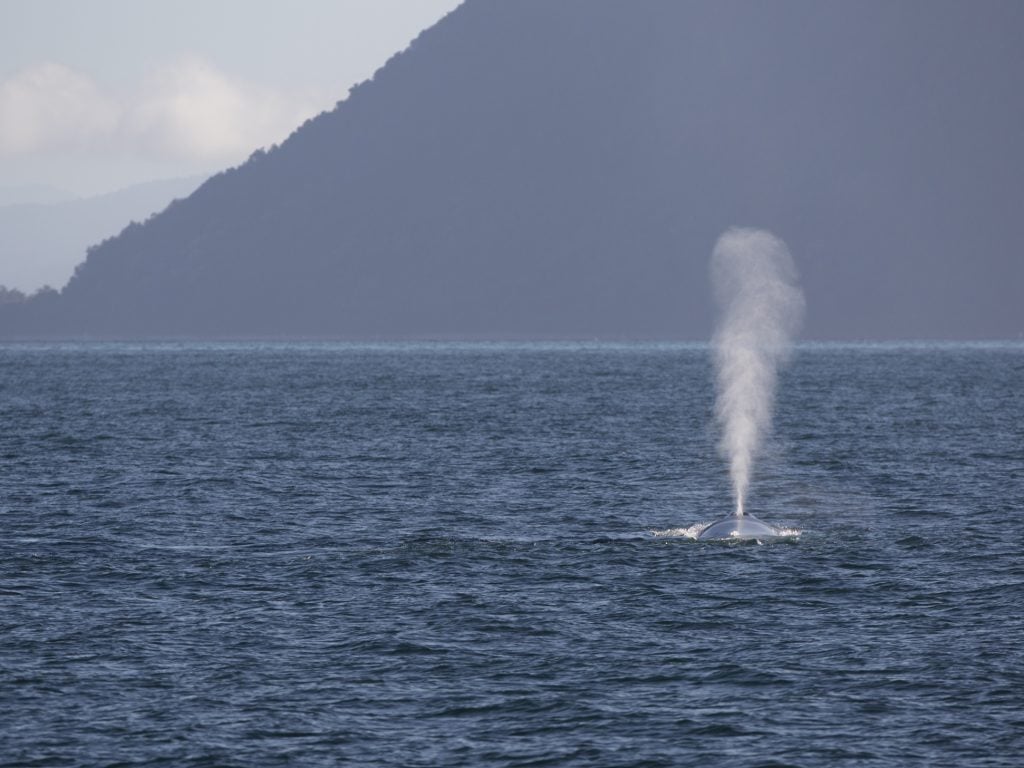
The recently implemented voluntary speed reduction zone (VSR) in southern Chile has been officially added to the Whale Atlas, an international marine conservation platform developed by the California Marine Sanctuary Foundation (CMSF) in the USA.
This innovative tool allows mariners to access updated information about sensitive areas critical for whale conservation, encouraging responsible navigation practices to minimize collisions and reduce acoustic disturbances.
Jessica Morten, program director at California CMSF and leader of the Protecting Blue Whales and Blue Skies (BWBS) initiative, describes Whale Atlas as a pioneering, global, and free resource that assists mariners in understanding conservation measures and efforts for whales around the world. The platform is hosted on the BWBS website.
«Including the Gulf of Corcovado–Canal Moraleda area will provide new opportunities for local vessel operators to learn how they can engage and contribute to WWF’s efforts to protect whales in the region,» Morten explained.
«Raising awareness of these initiatives is crucial since boat collisions are among the most serious and preventable threats to whales globally. Until now, it has been difficult for mariners to understand where, when, and how they could take action to reduce risks. Thanks to resources like Whale Atlas, captains and crews can stay informed and take significant measures toward safer operations for whales,» the expert added.
Effective Protection
The addition of this VSR zone to the platform marks a significant step toward more effective cetacean protection in Chilean waters. Representatives from the international organization WWF emphasized that these advancements present a valuable opportunity to highlight local conservation efforts in a global context.
«The inclusion of a voluntary speed reduction zone in southern Chile on this international platform not only underscores the importance of the measure but also provides new tools to assess its impact and promote greater cooperation from the maritime sector, which we hope continues to grow,» stated Yacqueline Montecinos, coordinator of Marine Biodiversity and Ocean Policies at WWF Chile and leader of WWF’s Pacific Blue Corridor initiative.
Maximum Speed: 10 Knots
The voluntary speed reduction area was established through a partnership between Armasur, the Trade Association representing shipping companies, shipyards, and ports in the region; Intesal, a technological institute focused on innovation in aquaculture and maritime transport; and WWF Chile, which provided technical support.
The recommended speed for vessels in areas with a high presence of whales is 10 knots, a simple yet effective measure to mitigate collision risks.
WWF representatives stated that this zone has already been incorporated by the Hydrographic and Oceanographic Service of the Chilean Navy (SHOA) into its navigation records and routes, highlighting the perimeter of the designated speed reduction area where these mammals transit, allowing vessels to reduce their speed and adjust their course in real time.
«Being included in SHOA’s records translates to a formal recognition of the importance of these measures and provides a key tool for safe and responsible navigation in the region,» WWF representatives emphasized.
El Ciudadano
Relacionados

Why Are Whales Dying in Patagonia? Concerns Over Salmon Cages, Vessels, and State Negligence
Hace 2 meses
The High Seas Treaty Takes Effect: Unique Blue Whale Population Among Its First Beneficiaries in Chile
Hace 2 semanas
COP30: Highlighting the Contribution of the Eastern Pacific Blue Corridor to Climate Action
Hace 2 meses
Urgent Call for Moratorium on Antarctic Krill Fishing After Failed Global Negotiations to Protect the Species
Hace 3 meses
Incorporan iniciativa chilena de protección a cetáceos en plataforma internacional de conservación marina Whale Atlas
Hace 2 meses