Original article: Espacios culturales de la Región Metropolitana articulan programación y circulación artística en 11 comunas
Cultural Spaces in the Metropolitan Region Organize Artistic Programming and Circulation Across 11 Municipalities
Eleven municipalities in the Metropolitan Region participated in a collaborative model that coordinated artistic programming, circulation, and visibility actions outside the central urban axis.
This initiative was implemented through the «Espacios en Red 2025» project, achieving concrete results in both the circulation of activities and sustained collaboration among various types of cultural spaces.
In total, ten artistic activities were organized, bringing together public and independent spaces, theaters, and cinemas from October to December 2025, in the municipalities of Tiltil, El Bosque, Paine, Buin, Pedro Aguirre Cerda, Talagante, El Monte, Isla de Maipo, La Granja, La Florida, and Santiago, reaching an estimated audience of 3,500 people.
The programming featured film screenings, theater performances, music and dance presentations, and gatherings in various cultural venues that are part of this network.
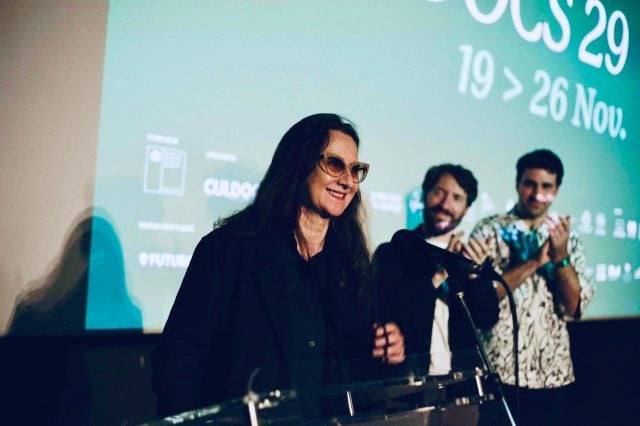
Among the highlighted activities were the circulation of the theater production «Mocha Dick» by the La Mona Ilustre company; the screening of the film «Taxi para tres,» directed by Orlando Lübbert, which included a forum with the director and cast; and a performance by the band «Niños del Cerro,» among other initiatives developed in municipalities outside the central urban axis of the Metropolitan Region.
Salvador Velásquez Hernández, regional coordinator of the Culture Network Program, explained that «Espacios en Red 2025 aimed to highlight cultural spaces from a territorial and programmatic perspective, valuing their diversity and the role they serve in their communities.»
Common Media Plan
One of the project’s focal points was the design and implementation of a common media plan, conceived as a strategic tool to enhance the visibility of cultural space networks and facilitate public access to a geographically distributed cultural offering.
This effort also led to the creation of a shared identity for the Cultural Spaces Network of the Metropolitan Region, both visually and programmatically, allowing the network to present itself publicly as a recognizable and organized entity.
In the audiovisual realm, the project included the production of four micro-documentaries showcasing the work of the Cultural Spaces Network of the Metropolitan Region, the spaces that comprise it, and the role of the state as a collaborative partner.
These pieces aimed to showcase the available programming for the public and the territorial work that cultural spaces undertake in areas such as cultural rights and territorial memory.
Regarding the impact of the collaboration between public programs and cultural networks, Velásquez highlights that «this collaboration helps strengthen the lines of action that the spaces themselves develop in their territories, contributing to artistic circulation and the cultural dynamism of the region.»
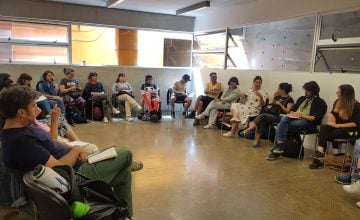
The project also featured a symbolic closing event held at the Center for Cinema and Creation through a discussion titled «Espacios en Red 2025: Narrative, Artistic Circulation, and Territorial Projection of Network Work,» which brought together cultural authorities, network representatives, and sector agents to reflect on the developed processes, collaborative work lessons learned, and future challenges.
This meeting involved cultural authorities, representatives of cultural space networks, and sector agents, who reflected on the articulation processes, artistic circulation in the territories, and future challenges of collaborative work.
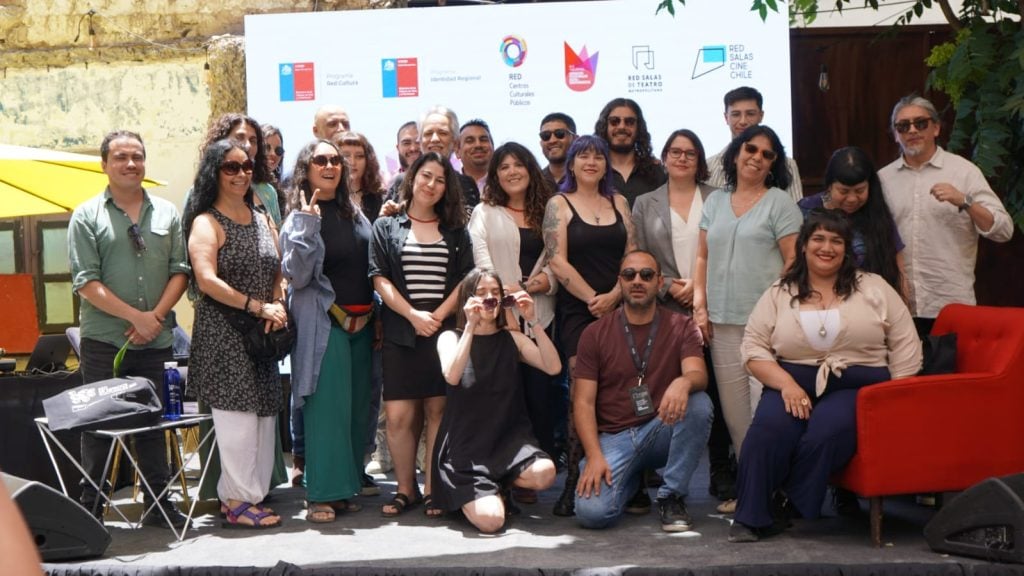
Espacios en Red 2025 was executed in collaboration with the Association of Public Cultural Centers, the Theater Room Network, the Self-Managed Spaces Network, and the Cinema Rooms Network of Chile, alongside the regional coordinations of the Culture Network Programs and the Strengthening of Regional Cultural Identity.
Additionally, throughout all its stages, the project was supported by a Technical Commission that defined technical, methodological, and administrative aspects through a deliberative and collective working methodology.
«From this experience, Espacios en Red 2025 is positioned as a relevant precedent for the development of collaborative cultural management models in the Metropolitan Region, with concrete effects on the circulation of programming outside the central urban axis and sustained collaboration among diverse spaces,» concluded representatives of the initiative.
El Ciudadano
Relacionados
Lafamiliateatro Launches New Pathways in International Theatre with Presence at Teatro a Mil Festival
Hace 3 semanas
Upcoming Edition of Teatro en Casa Festival: A Unique Experience in the Yungay and Brasil Neighborhoods
Hace 2 meses
Valparaíso: Arts and Memory Converge at Chile’s Fourth National Gathering of Memory Sites
Hace 4 meses
"Estrenos en RED" Invites Filmmakers to Showcase Movies in Independent Theaters Across Chile
Hace 3 meses