Original article: Logro de la ciencia y comunidad: Transnacional AES Andes puso fin a cuestionado megaproyecto INNA
The Atacama Desert: A Scientific and Organized Community Victory as AES Andes Withdraws from INNA Megaproject
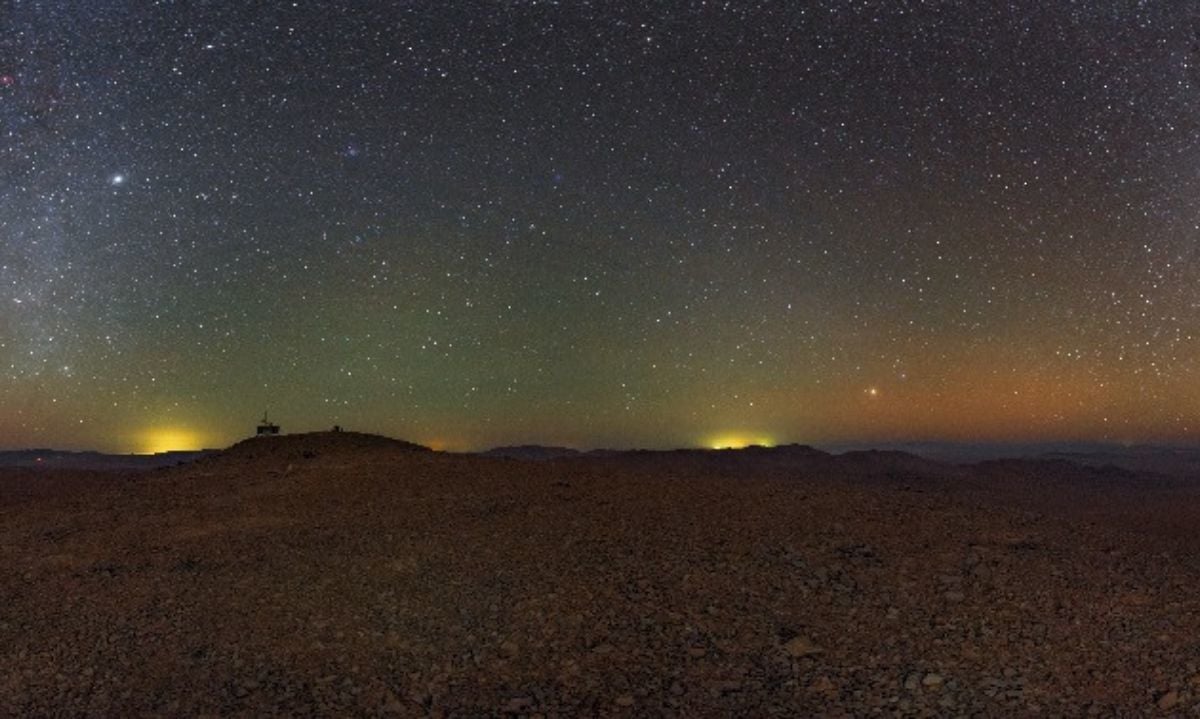
In a significant development that sets a precedent for territorial planning in Chile, AES Andes announced its withdrawal from the green hydrogen and ammonia megaproject INNA, valued at $10 billion, which was to be constructed in Taltal, Antofagasta Region.
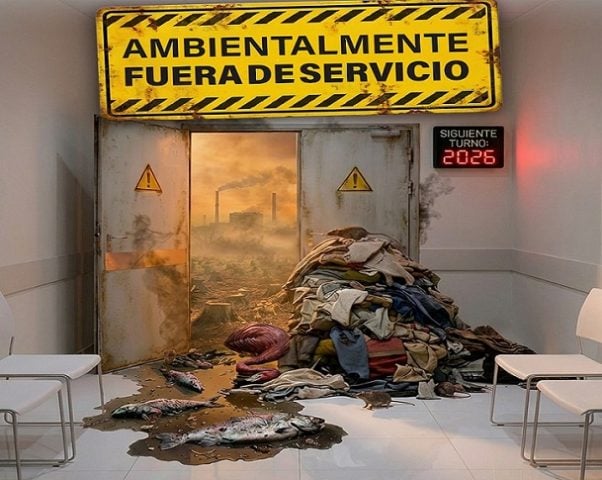
This decision, which the company presented as a «prioritization of its renewable project portfolio,» brings closure to a contentious chapter that began in December 2024. However, the company’s retraction follows months of scientific warnings and an unprecedented civic mobilization pointing out the imminent risks the initiative posed to one of the planet’s most valuable scientific heritage sites: the Paranal Observatory, operated by the European Southern Observatory (ESO).
The conflict’s narrative included over 700 citizen observations and a letter signed by 3,371 international scientists and academics addressed to President Gabriel Boric. The community raised alarms about the implications for biodiversity and the rights of the Chango people.
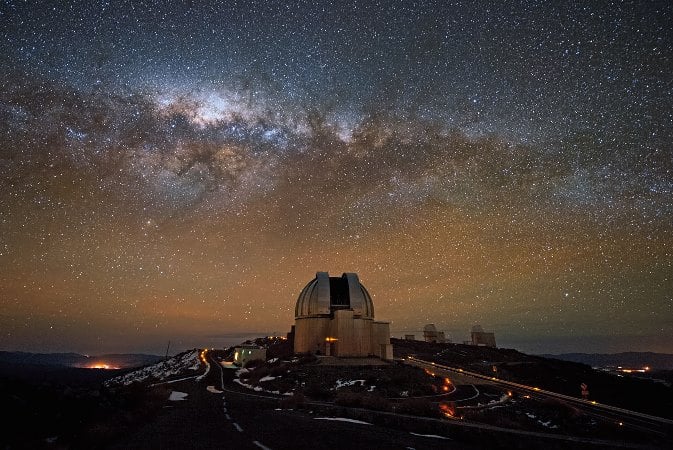
Experts, both national and international, warned that INNA, due to its size and proximity, would «increase the brightness of the sky» in an area where it currently remains below 1% of pre-industrial levels, thus destroying the unique darkness and atmospheric stability of the region. Chilean astronomer Teresa Paneque was emphatic in her remarks to the Environmental Assessment Service: «The current light regulation is insufficient. INNA would destroy the darkness of the skies… shortening the lifespan of critical instruments for future discoveries, including the search for extraterrestrial life,» the scientist stated in April 2025.
In light of this situation, the Chilean Government, through the Minister of Science, Technology, Knowledge, and Innovation, Aldo Valle, explicitly praised the company’s decision. «We value the decision made by AES Andes not to continue with the green hydrogen project INNA, an initiative that generated extensive debate concerning its potential impact on the Paranal Observatory, one of the most relevant astronomical centers globally,» stated the official.
It has been highlighted on multiple occasions that the Atacama Desert hosts the three best sites for terrestrial astronomy worldwide, home to iconic telescopes such as the Very Large Telescope—associated with three Nobel Prizes—and the upcoming Extremely Large Telescope, which will seek signs of life on exoplanets.
The international letter underscored that Paranal is «the most productive terrestrial astronomical facility in the world» and that the project jeopardized «fundamental scientific investments and Chile’s leadership in astronomy.»
This outcome reveals a fundamental debate regarding the limits of development and the need for strategic planning. The tension between large-scale projects and areas of high scientific and heritage value demands stricter evaluation criteria. While AES Andes reaffirmed its commitment to green hydrogen in Chile, it closed a chapter highlighting the power of an informed and mobilized citizenry and scientific community. The INNA case sets a strong precedent: in Chile, the protection of global common goods, such as its pristine skies, can determine the fate of megaprojects.
Relacionados

Logro de la ciencia y comunidad: Transnacional AES Andes puso fin a cuestionado megaproyecto INNA
Hace 1 mes