Original article: Advierten severa crisis en residencias «Mejor Niñez» de Punta Arenas: Sobrepoblación, precarización y colapso de salud mental en equipos de trato directo
Severe Crisis in Punta Arenas’ «Mejor Niñez» Residential Facilities: Overcrowding, Job Precarity, and Mental Health Collapse
Two residential care facilities in Punta Arenas, operated by the National Service for Specialized Child and Adolescent Protection, are facing critical operational and occupational health challenges.
Reports of work overload, overcrowding, lack of basic supplies, and a collapse in the mental health of direct care staff are central to the ongoing issues.
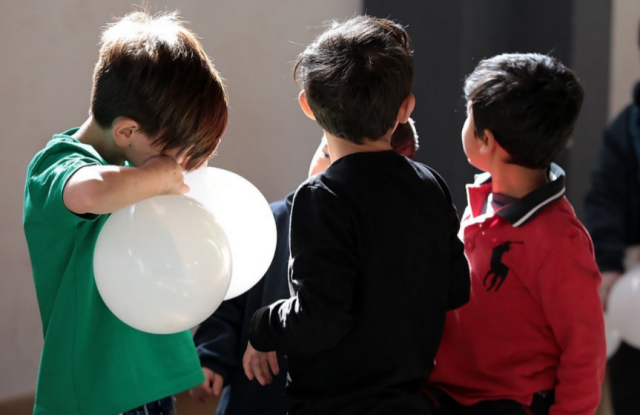
According to the National Association of Officials of the National Service for Specialized Child and Adolescent Protection (Anfusepna), a troubling trend across the organization is the increasing admission of children and adolescents with highly complex profiles, characterized by problematic substance use and serious trajectories of rights violations, which strains the capacity of the responding teams.
In Punta Arenas, these conditions have fostered an atmosphere of intimidation among staff, compounded by a lack of replacements and weakening support for daily containment efforts, thereby highlighting this crisis.
«The working conditions at the facility fall significantly short of the occupational health standards promised following the restructuring of child services. For instance, the staff works 12-hour days or more under a regime of three continuous workdays followed by two days off, accumulating up to 60 hours a week,» warns Anfusepna president, Nelson Barraza.
He further adds that, despite institutional commitments to implement a four-shift system to ensure adequate rest for the team, this measure has not been realized, leaving staff on permanent night shifts for over five years.
In addition to extended working hours, the shortage of specialized medical personnel has forced some untrained staff to administer medication or perform treatment, exposing them to serious administrative responsibilities.
Moreover, the lack of coverage for medical leave, guardians, monitors, and psychologists creates a gap in the necessary care.
Currently, less than 50% of the total workforce is operational due to the high number of medical leaves. Meanwhile, joint committees formally document various diagnoses of professional diseases due to extreme exhaustion or burnout, while regional authorities have responded by sending replacements without prior training for the facilities.
Office Work Without Desks or Internet Connectivity
Representatives from the staff teams also report that infrastructure failures are compounded by severe administrative hurdles. For months, the technical team has had to work without desks, printers, or internet access, relying on their personal phones to keep records up to date.
Despite reporting these deficiencies to the Regional Directorate, no solutions have been provided, and even management has imposed penalties for not having those reports and other printed supplies available on time.
According to Anfusepna, addressing this crisis is urgent, especially in isolated regions where the neglect from institutions is much more noticeable.
«The geographical distance from the central state administration is an aggravating factor that promotes local criteria where the admission of a teenager to the residence is a swift process, whereas the possibility of their discharge—whether returning home, moving to foster care, or adoption—becomes an extremely bureaucratic ordeal,» questioned leader Nelson Barraza.
The association asserts that the specialization in care proposed by the previously known system as Mejor Niñez or Sename cannot be achieved under these conditions of precariousness and risk.
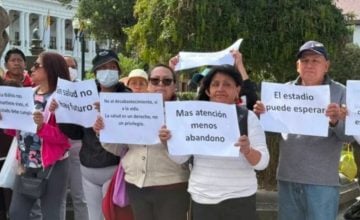
«To advance toward dignified care and restore the rights of the most vulnerable children, it is essential to effectively apply the principle of ‘caring for those who care,’ safeguarding mental health, job security, and minimum working conditions for staff,» emphasized the representative of the officials.
We will continue to provide updates.
Obtén tu Pasaporte y apoya a El Ciudadano
Elimina la publicidad, accede a contenido exclusivo y sé parte de la comunidad.
Cancela en cualquier momento · Sin permanencia