Original article: U. de Chile propone sumar los huertos comunitarios a las políticas de salud mental: «Consolidarlos como espacios permanentes de bienestar»
University of Chile Advocates for Community Gardens to be Integrated into Mental Health Policies: ‘Establishing Permanent Spaces for Well-Being’
Community gardens are no longer seen solely as food production spaces.
In recent years, research has linked participation in these activities to improvements in psychological well-being, stress reduction, and enhanced social connections. However, in Chile, these initiatives face challenges to sustainability, primarily due to a lack of funding and minimal coordination among institutions.
This issue was discussed in a policy brief titled «Community Gardens as a Social Tool for Promoting Mental Health,» published by the Transdisciplinary, Networks, and Interface Unit of the Vice-Rectorate for Research and Development at the University of Chile.
The document compiles scientific evidence and national and international experiences to propose recommendations for incorporating community gardens into public mental health promotion policies.
The lead author, Cecilia Baginsky, a member of the Transdisciplinary Group for Research, Teaching, and Extension in Population Obesity (GTOP), explains that interest in the subject arose from experiences working with communities, where they observed that the benefits of gardens went beyond agricultural production.
«We created the garden to teach people how to grow their food, but we hadn’t integrated the concepts of mental health or social cohesion,» reports the researcher.
From a mental health perspective, Joan Calventus, psychologist from the Mental Health, Health Promotion, and Participation Program at the University of Chile and co-author of the document, identifies three fundamental mechanisms: strengthening social ties, building collective identity, and connecting with nature.
«The community garden is an inviting space where one can engage in physical activity, connect with nature, and work collectively,» emphasizes the academic.
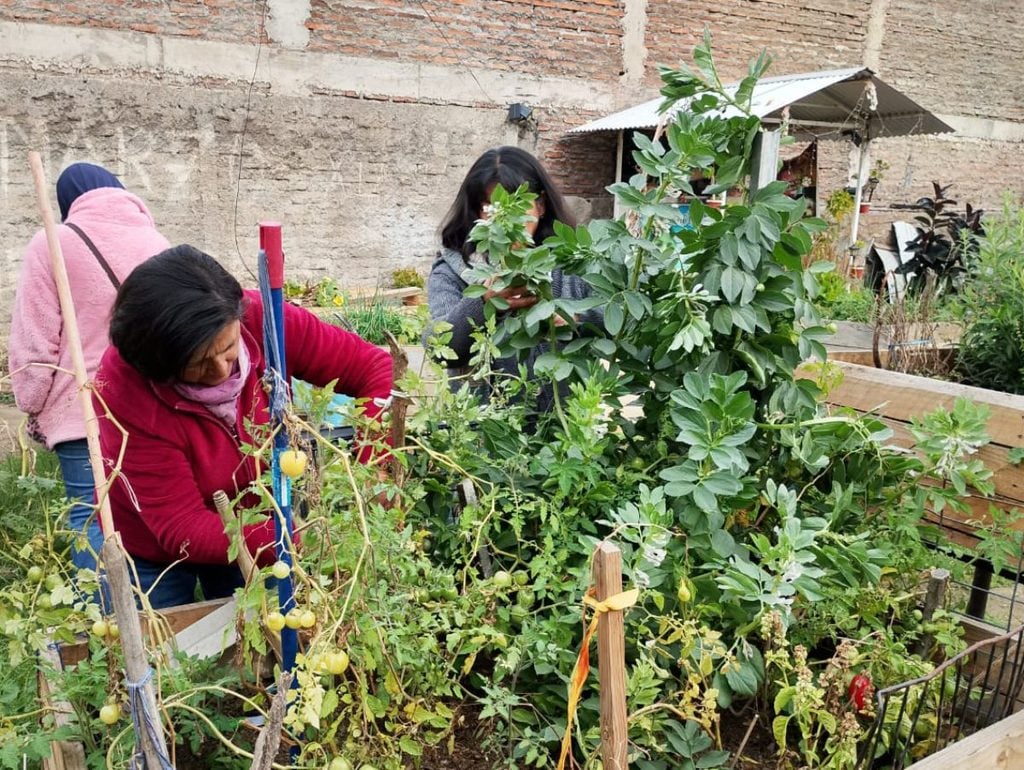
For agriculture specialist Cecilia Baginsky, these benefits became evident during a project initiated in 2015 in the Macul commune, where actively participating older adults, caregivers, and neighbors found in the gardens an opportunity to share experiences and enjoy nature.
These observations, along with her teaching experience and collaboration with GTOP members, experts in peasant agriculture, and faculty from the School of Medicine, contributed to broadening the initial focus of community agriculture to include mental health promotion.
Regarding the national landscape, Baginsky warns that while many initiatives exist, they are fragmented, making one of the main challenges to ensure gardens remain when initial funding ends or the individuals who originally spearheaded them leave.
In light of this diagnosis, the team recognizes the Urban Gardens Bill as an opportunity to strengthen their acknowledgment. Although the initiative includes productive, educational, environmental, and some therapeutic aspects, the policy brief proposes explicitly incorporating mental health promotion among its objectives.
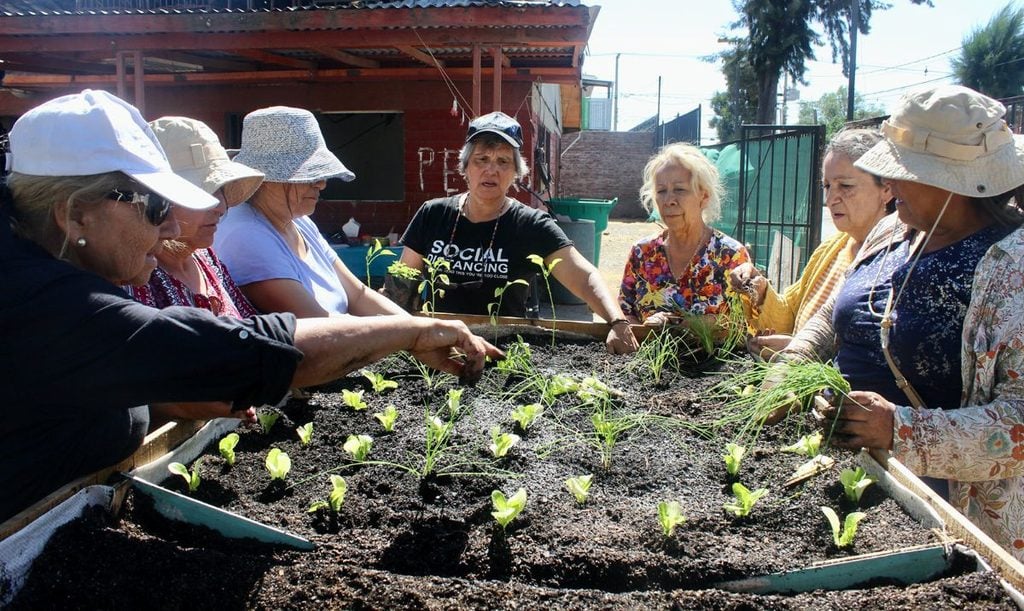
Read the full report with photos on the University of Chile website HERE
Obtén tu Pasaporte y apoya a El Ciudadano
Elimina la publicidad, accede a contenido exclusivo y sé parte de la comunidad.
Cancela en cualquier momento · Sin permanencia