Original article: “Trataron de tapar siempre los sucesos”: dirigente acusa que advertencias sobre crisis del centro juvenil de Coronel fueron ignoradas durante años
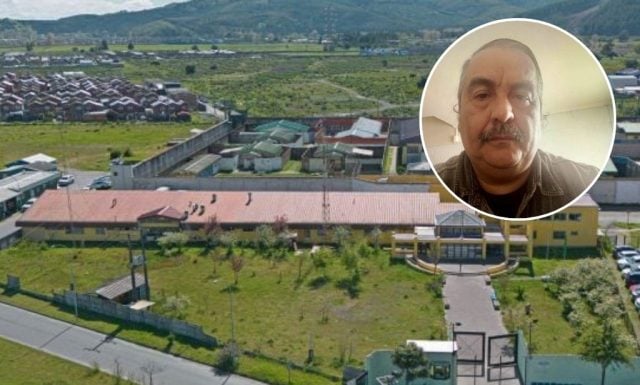
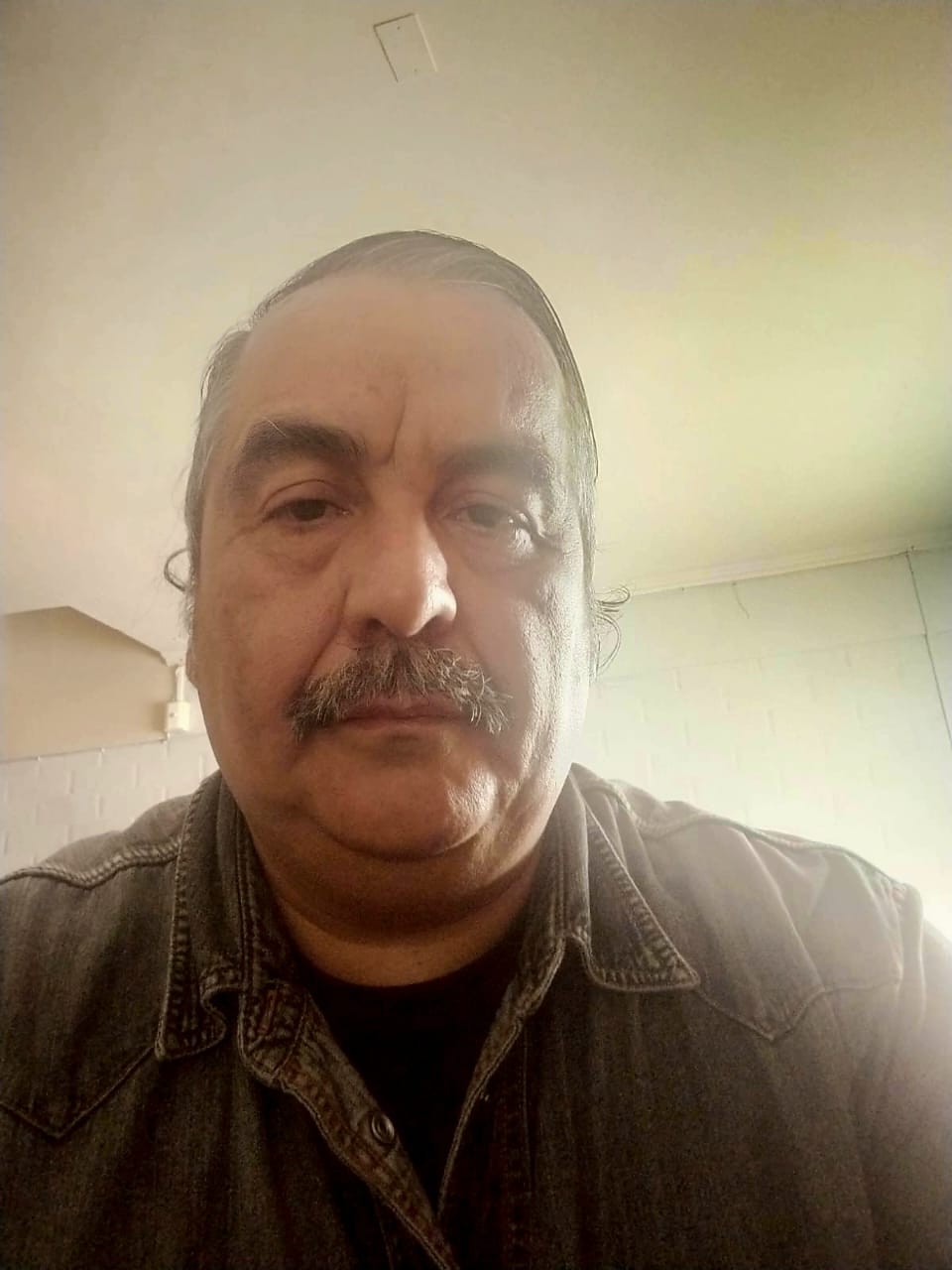
“They Always Tried to Cover Up the Incidents”, stated Roberto Belmar, president of the Regional Association of Workers of the National Juvenile Reintegration Service (ARTRASE), referencing the strong irregularities reported over the years at the Coronel Provisional Internment Center and Closed Regime. Coronel.
In an interview with El Ciudadano, the leader indicated that warnings regarding the youth facility’s crisis were ignored by authorities, with information getting trapped at intermediate levels. He testified that there was never a capacity for decisive decision-making and that, instead, there was a concerted effort to cover up incidents occurring within.
The preemptive removal of five members from the management team is, according to Belmar, a visible consequence of a long-standing process that has now led to a profound overhaul of the institution.
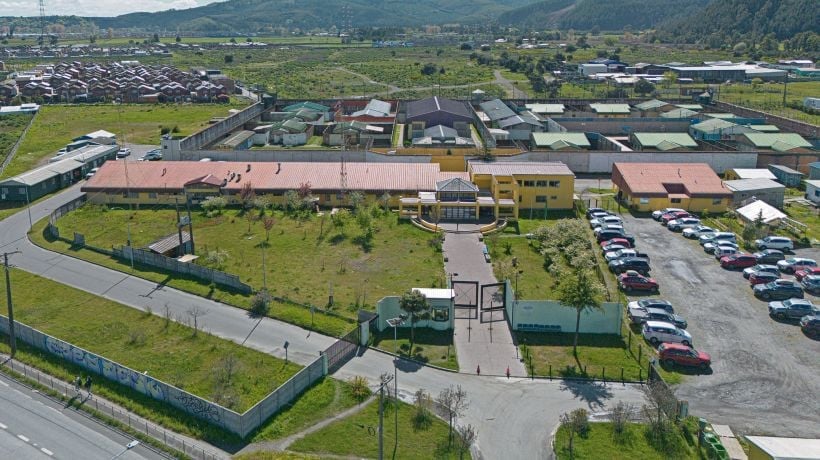
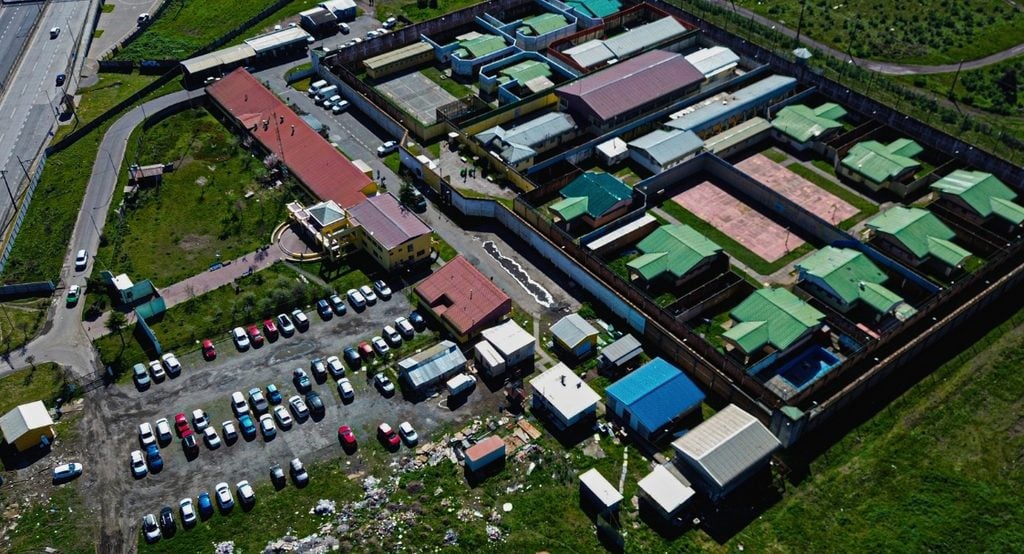
He highlighted that the Coronel Provisional Internment Center and Closed Regime is one of the most complex facilities in the juvenile system and emphasized that the recent crisis, which made headlines, is not an isolated incident but a prolonged situation that has manifested in serious violence, inadequate infrastructure, internal trafficking, and process deficiencies.
“The Management Has Not Been Able to Provide Solutions”
Belmar maintained that these signals were raised in meetings, work foundations, and various instances, yet the authorities’ responses were insufficient or came too late. He argued that the problem has existed for years and didn’t start with the current administration, even though it has now erupted with removals and audit requests.
The measures initiated by the National Juvenile Reintegration Service affected those who held the Management of the Center, the Technical Management, the Administrative Management, the Health Unit Coordination, and the Supply Coordination. Belmar explained that this decision was made after technical supervisions, an audit, and the work of an inter-institutional commission, which identified critical deficiencies in a facility housing youth in custody.
Among the conclusions drawn by this process, revealed by media outlets like Bio Bío Chile, were various situations that did not follow established procedures, incidents that were not reported in a timely manner, and a lack of activation of the reporting mechanisms required.
The findings also indicated failures in the management of goods and medications, with a lack of stock records and management of supplies, including mental health medications.
“The ongoing efforts of the managers in the center have failed to yield solutions for that area. Meetings have been held to find strategies to resolve the issues, but unfortunately, we understand that the authorities have been a bit stingy in trying to provide true solutions and most fixes have only been cosmetic, while the underlying problem has persisted, which is constant violence, lack of adequate infrastructure, procedural issues, and internal trafficking—issues that need to be addressed by the center’s management to set directions for effective operations,” Belmar explained to El Ciudadano.
Regarding the removals, he noted that the manner in which they were executed may have surprised the employees and recalled that “those in management know they assume a great responsibility.”
He lamented the loss of employment but stated that “in this case, there was ample time to communicate to the management the issues that were not functioning correctly so they could correct the course.”
“They Always Tried to Cover Up the Incidents Happening in the Center”
According to his account, the directors prioritized listening to their advisors, went in a different direction, and that direction did not yield results, worsening the crisis. Consequently, he concluded that, “the national authority and the ministerial authority requested the removal of these individuals.”
When asked about the information the Ministry of Justice had before the crisis escalated, the ARTRASE president claimed that the information “always got trapped at the intermediate level.”
“It reached the regional service management or the national direction but got stuck there (…) there was never the capacity to make definitive decisions regarding the issues happening at Coronel, and we have repeatedly stated, they always tried to cover up the incidents occurring in the center,” he asserted.
The leader acknowledged that the new regional management has been “clearer and more precise” in recognizing that many issues are not the fault of the base workers but arise from the guidelines provided by management or management’s inability to resolve them.
He stated that the decision to implement a thorough overhaul at the Coronel Provisional Internment Center was not reached “ambiguously, rather it was made by evaluating the procedures that were poorly performed, the ongoing issues, the audits, the level of violence, and how this issue was strategically addressed, and they found that in this case there were never any results.
In Belmar’s opinion, the measure was taken when the issue had escalated nationally and affected the credibility of such an important ministry as Justice. This is why the secretary of state made “decisions to safeguard the institutionality and also to protect other employees.”
The five removals reportedly involved those who held the direction of the center, the technical leadership, the administrative leadership, the coordination of the health unit, and the supply coordination.
Regarding whether they respond to effectively accredited responsibilities, the leader indicated that “it is always the complete management body at fault, not just the director.” In other words, it is not about individualizing blame but recognizing that the management leads the process and must therefore face the consequences when procedures fail or when warnings do not result in concrete actions.
When asked whether those management figures are being held accountable for what is an inherent structural crisis within the service, Belmar declined to categorize it this way.
“We couldn’t determine that it was structural, because then all centers would be facing issues,” he said, while recalling that there are centers in Santiago housing much larger populations than Coronel that have not faced such problems or have had better strategies and support.
“At least, on a national level, while some centers do experience deterioration due to the discipline among youth and constant incidents, in this case, we can’t talk about it as a structural issue because it would need to be at all centers in the country,” he clarified.
However, he acknowledged that there are responsibilities at the management level and mentioned that in the health and supply coordination, there are issues raised by audits, such as the recurrent problem regarding the procedures for medications.
He also criticized that when lower-tier workers make mistakes, “they are immediately held accountable,” whereas management is rarely held accountable.
In the case of the Coronel center, he noted that it’s “dancing backward” since blame was not placed on lower workers but on management because “they are the ones leading the process.”
Regarding previous warnings, Belmar reaffirmed to El Ciudadano that during meetings and work foundations, the corresponding facts were always presented, and that “numerous organizations and the workers themselves, in various instances, warned the authorities of the serious problems.”
He specifically mentioned “the issue of the alleged trafficking inside the facility, the issue of the excess weaponry produced by the youth inside.” These phenomena, he warned, have not decreased but rather are increasing, demonstrating that the measures taken did not contain the crisis.
Insufficient Response and Mobilizations
According to his account, the authorities’ response was insufficient, and he recalled that when complaints were presented to the relevant agencies, it was stated that “there is no solution to this issue,” which generally led to mobilizations.
“What happens, for instance, when one presents all these actions, for example, to the appropriate bodies that are supposed to review this, and there’s no solution for this issue? Generally, this results in a mobilization, and the right thing is not to reach a mobilization to do a job that should be carried out by a state organization; that is, unions or labor organizations are not there to do the job,” he argued.
The ARTRASE president explained that the approach being implemented was not working and subjected staff to continued “episodes of violence, kidnappings” and other situations that needed to be improved with better procedures.
He added that even though the necessary actions were taken and the center “was attended to,” there was no listening to any proposals nor were there measures taken for improvement. He emphasized that the crisis has existed at least since before the Covid-19 pandemic, and that the center has been intervened two or three times.
“This issue has been brewing for many years. Thus, we fall short when we say that this is just an isolated incident,” he emphasized.
Leadership Change Will Not Resolve All Issues
When asked if the crisis could be resolved with dismissals, Belmar replied firmly: “with this situation of the change in management team, not all problems will be solved.”
In his view, it is crucial to establish with the new arrivals a series of tools to gradually address the deficiencies of the center.
Among the irregularities that must be addressed are the entry of drugs, episodes of violence due to substance abuse, and improving procedures and relations with the organizations and institutions working inside. Without those tools, he warned, the change in officials will not be enough to reverse the crisis.
Strategic Plan for Short, Medium, and Long Term
He also criticized the lack of a “strategic plan to address certain situations” or the absence of clarity and a unified perspective regarding the topics that must be resolved in the short, medium, and long term.
“Why do I mention the short term? In the short term, I refer to procedures; in the medium term, I mention budget; and in the long term, I talk about infrastructure,” he explained.
Roberto Belmar recalled that the center was created under a protection modality and in 2007, its functions were altered to become a youth detention facility.
“Thus, there are different aspects; between protection and detention are two very different things, and it is the same center,” he stated, noting that the transformation was not accompanied by the necessary structural changes, which would explain some of the current deficiencies.
Therefore, he expressed to El Ciudadano that he hopes the removal will lead to a greater awareness and collaborative efforts to overcome the crisis.
Lastly, Belmar clarified that the Coronel center is not the most violent in Chile, as there are others that experience similar situations, and he indicated that what is sought is greater support from Gendarmería for crisis or conflictive situations.
He specified that within the center, there are civilian staff, and Gendarmería oversees the perimeter and assists in some internal duties. “We do not want Gendarmería inside,” he stated, but seek “more permanent support in the face of different situations that may arise as critical or conflict-laden.”
For the leader, this clarification is key to avoid stigmatizing the center and oversimplifying a problem that, according to his account, has persisted for years and demands fundamental solutions, not cosmetic fixes.
Obtén tu Pasaporte y apoya a El Ciudadano
Elimina la publicidad, accede a contenido exclusivo y sé parte de la comunidad.
Cancela en cualquier momento · Sin permanencia