Original article: Confirman hallazgo de mosquito Aedes aegypti en Aeropuerto de Santiago: Puede transmitir dengue, chikungunya, zika y fiebre amarilla
Aedes Aegypti Mosquito Found at Santiago Airport: A Threat for Dengue, Chikungunya, Zika, and Yellow Fever
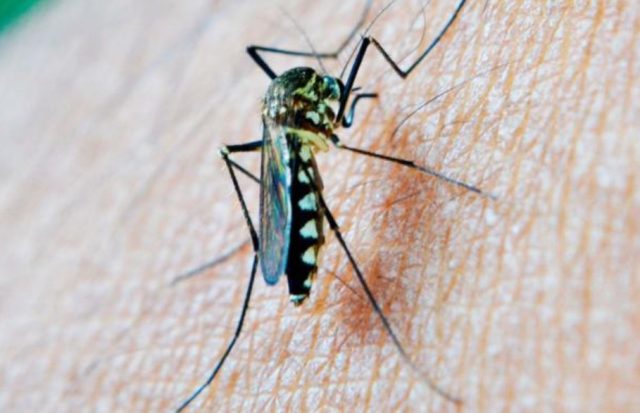
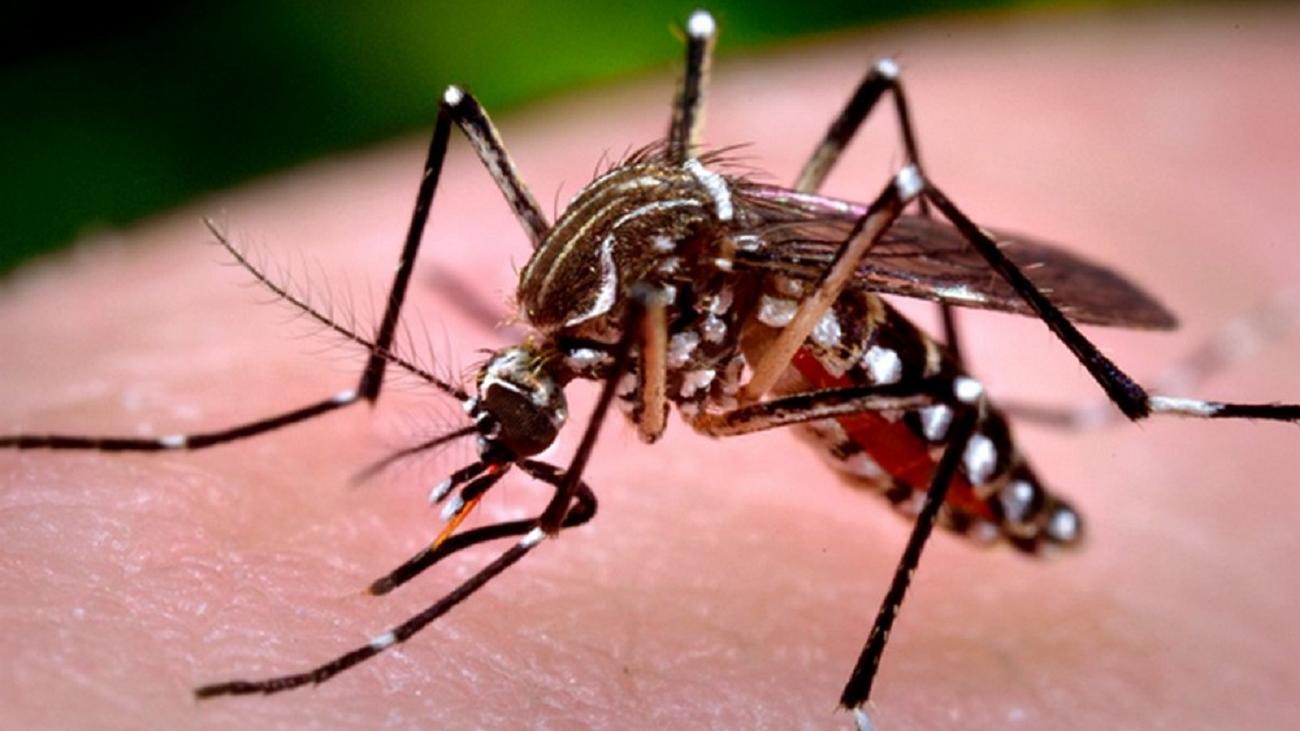
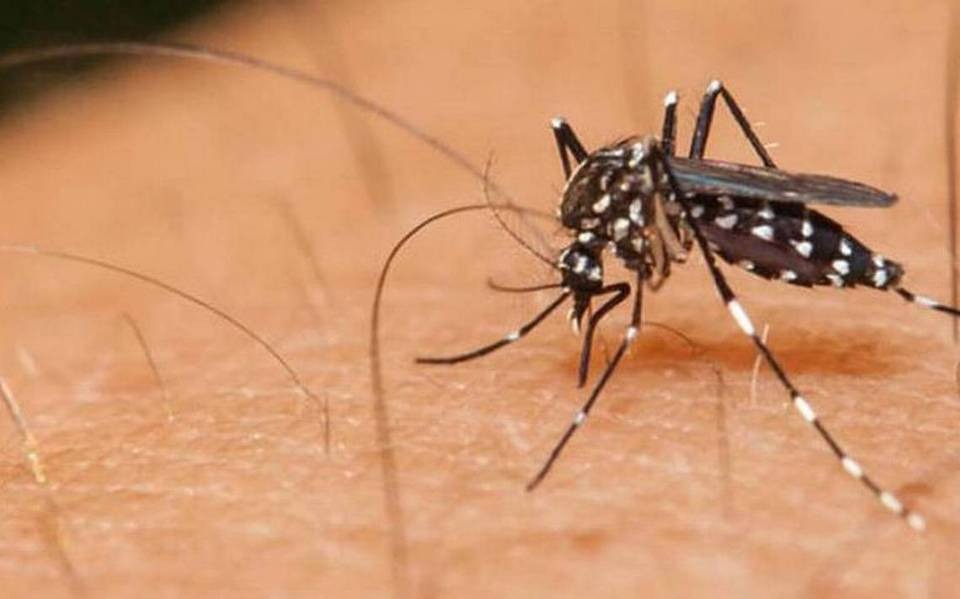
The Public Health Institute has confirmed the discovery of an Aedes aegypti mosquito in the storage areas of Santiago Airport. This species is internationally recognized as a vector for viral diseases such as dengue, chikungunya, Zika, and yellow fever.
Following this taxonomic confirmation, health authorities immediately intensified surveillance and control protocols to mitigate risks associated with this disease-transmitting vector. Officials from the Ministry of Health emphasized the urgent need for public prevention efforts in light of this finding.
The detection of this mosquito results from an ongoing collaborative effort with the airport community. Finding a specimen in a facility that spans over a thousand hectares reinforces the belief that continuous monitoring and coordinated on-ground work are essential for maintaining public health borders, according to Minsal.
As of now, the ministry highlighted that there are no indigenous cases of arbovirosis in continental Chile, with only three imported cases recorded so far in 2026.
Extensive Operation Underway
Once the presence of the mosquito was confirmed at Santiago Airport, authorities launched operations in line with the National Program for Mosquitoes of Health Importance.
This includes inspecting properties within a radius of 100 to 500 meters from the site of discovery, searching for and eliminating potential breeding sites, and applying chemical control in both open and enclosed areas. Additionally, monitoring is being conducted on airport staff concerning their health symptoms.
The Ministry reminded the public that this vector is currently present in the regions of Arica, Tarapacá, and Valparaíso (Andean zone), prompting an extended Health Alert between Arica and Los Lagos.
«We urge the public to enhance preventive measures to avoid mosquito breeding by eliminating standing water that can become breeding grounds. This includes emptying or disposing of containers that hold water, such as plant pots, flower vases, animal waterers, buckets, and more,» stressed Minsal.
It is also recommended to keep water storage containers covered, remove unused items that may hold water, such as tires, and inspect gutters, grates, and other areas around the home to mitigate risks.
Regarding the symptoms that may arise from bites by these mosquitoes, health authorities indicated they include a sudden high fever, intense muscle and joint pain, pain behind the eyes, rash, and general malaise. In the case of dengue, additional symptoms may include persistent abdominal pain, frequent vomiting, and bleeding from mucous membranes. «If any of these symptoms appear, seek medical attention immediately,» warned the Ministry of Health.
Read more about this topic:
El Ciudadano
Obtén tu Pasaporte y apoya a El Ciudadano
Elimina la publicidad, accede a contenido exclusivo y sé parte de la comunidad.
Cancela en cualquier momento · Sin permanencia