Original article: Memoria contra el olvido: documental busca financiamiento para rescatar las historias que mantienen viva a Palestina en Chile
The independent audiovisual project «The Olive Tree: Heritage» has entered a new production phase with the launch of an international crowdfunding campaign to film its second chapter in Chile, home to the largest Palestinian community outside the Arab world.
This initiative, originating from the Audiovisual Laboratory Chaski, envisions the documentary not merely as a feature film but as a project of memory and a cultural resistance mechanism against dominant narratives that often portray Palestine primarily through the lens of war and destruction. Instead, it aims to present a deeply human perspective on what endures: family memories, traditions, language, photographs, personal archives, and connections that survive the passage of time and distance.
The primary objective is to record the stories of the Palestinian diaspora in Latin America from the voices of those who have inherited an identity shaped by exile, resistance, and hope,» stated writer and political analyst Mishka Iturri Avendaño in a press release.
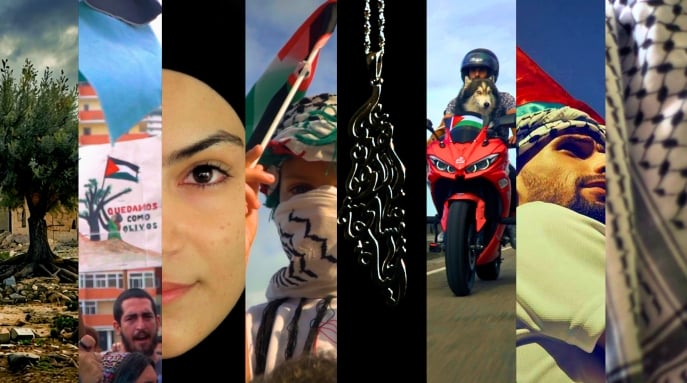
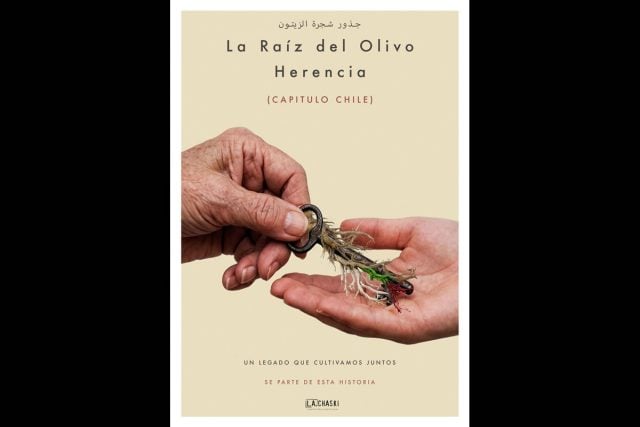
The Olive Tree: Heritage Chapter Chile
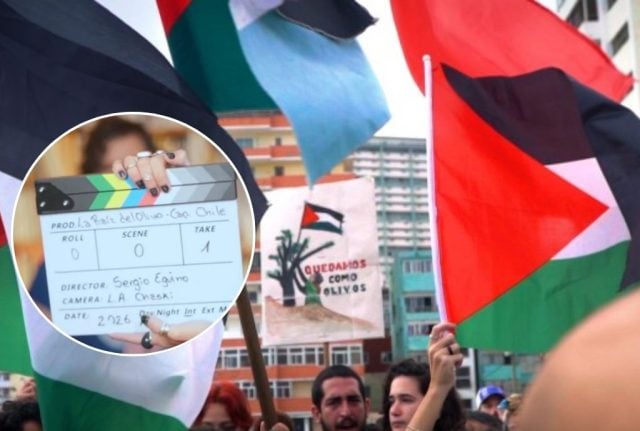
The project originated in Cuba, where the first chapter reconstructed the stories of families who found refuge on the island, maintaining a connection to their homeland. Now, the documentary lens shifts toward Chile, a crucial territory for understanding the history of the Palestinian diaspora in Latin America.
Regarding this, Iturri, who is in charge of field production, noted that the Palestinian community in Chile, consisting of hundreds of thousands of descendants, represents one of the most significant migration processes in contemporary history.
Over generations, this community has built a robust network of organizations and cultural spaces, weaving a community fabric that has successfully transmitted the identity heritage from parents to children.
Thus, the documentary is conceived as a vehicle to register, preserve, and disseminate this living heritage. Through interviews, family archives, photographs, letters, inherited objects, and intimate narratives, it will reconstruct how the memory of Palestine continues to inhabit Latin American homes, even after several generations.
Mishka Iturri emphasized that «The Olive Tree: Heritage» starts from a simple yet profoundly human question: How does one inherit a land that has never been set foot on? She indicated that answers emerge «in the voices of those who grew up hearing stories of villages that no longer exist, preserving family recipes, learning words in Arabic from their grandparents, keeping photographs as treasures, or passing down to their children an identity that defies borders and time.»
The documentary’s production coincides with a moment when Palestine is enduring one of the greatest humanitarian tragedies in its recent history due to aggression from Israel, making the documentation of these memories «especially urgent.»
«As the destruction of cities, forced displacement, and loss of lives continue, there is also the risk that stories, documents, and memories that are part of a people’s history will disappear,» the analyst emphasized.
She clarified that the audiovisual piece does not aim to speak solely of pain but of permanence, constituting a proposal for decolonial documentary cinema, created from Latin America and committed to the defense of memory as a collective right.
«Instead of narrating Palestine from major audiovisual production centers, the project prioritizes the voices of those who live this history firsthand,» she explained.
The film also aims to establish a bridge and strengthen historical ties between Latin America and Palestine from the Global South, considering that both regions have experienced similar processes of colonization, exile, and resistance.
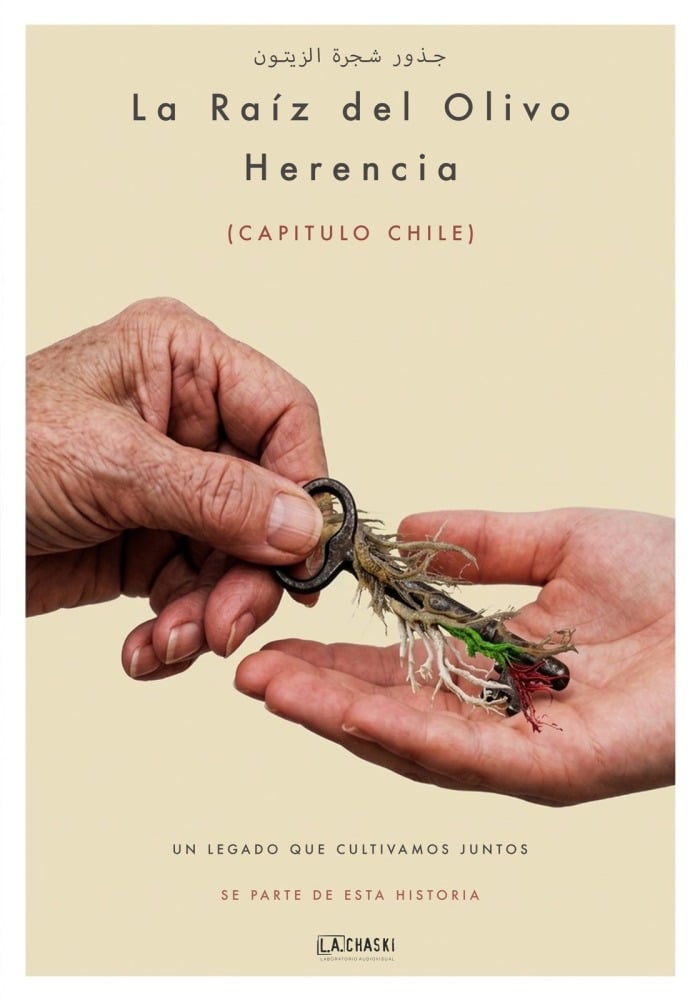
Funding Campaign
To make the shooting in Chile a reality, the team has launched a microfunding campaign on the Goteo platform, appealing for international collaboration. As it is an independent production, the viability of the project relies exclusively on the support of individuals, institutions, and collectives that believe in the importance of preserving memory, defending cultural diversity, and amplifying stories that rarely find space in major audiovisual circuits.
The funds raised are intended to cover critical aspects such as research, travel, technical equipment, post-production, and global distribution of the work, ensuring that the collected testimonies have a broad reach.
The invitation to participate extends beyond financial contributions. The team calls on journalists, cultural centers, film festivals, universities, and social organizations to join the support network by spreading the campaign and amplifying the documentary’s message. Every contribution, regardless of its size, translates into a step towards preserving family stories that constitute the intangible heritage of a people. The campaign seeks not only economic resources but also to build an international community committed to memory as a collective right.
The very existence of the documentary depends on the active support of a global community committed to justice and memory.
Sharing the project, recommending it, and inviting institutions to participate are concrete ways to weave a global solidarity network. Supporting this work is not merely funding a film but preserving family stories that are part of a cultural heritage and preventing silence from replacing memory.
«It means showing that solidarity can also take the form of image, archive, and testimony for future generations,» emphasized Mishka Iturri.
Obtén tu Pasaporte y apoya a El Ciudadano
Elimina la publicidad, accede a contenido exclusivo y sé parte de la comunidad.
Cancela en cualquier momento · Sin permanencia