Original article: ¿Qué es el femicidio para un niño?: Escritor Matías Díaz Huirimilla explora el duelo infantil en su nuevo libro «Una obra imposible de nombrar»
How do two siblings cope with the sudden loss of their mother due to an unbearable event? What does femicide mean for a child?
Addressing these poignant questions through the lens of innocence and mutual care is the premise of «An Unnameable Work,» the latest book by poet and playwright Matías Díaz Huirimilla, published independently by Editorial Escafandra.
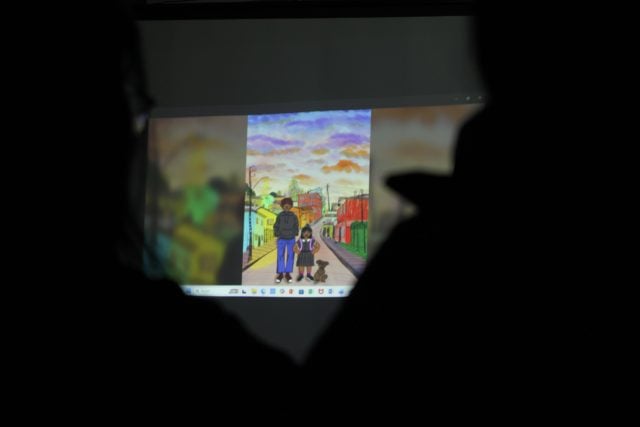
The narrative follows two siblings (16-year-old Him and 8-year-old Her) as they embark on an overnight journey through the streets of Calbuco, accompanied by their pet: Chayan, the dog. Their mission is to deliver one last gift to their deceased mother: to prevent worms from consuming her and to lay her to rest in her favorite place, the sea.
Throughout this journey, the siblings must confront various obstacles including packs of dogs, muggers, and an evil grandmother, while navigating an emotional path to begin their grieving process.
Set in the hours following their mother’s femicide, the work confronts domestic violence and the dynamics of their immediate environment through the magical realism of southern Chile. The innocence of Her clashes with a stark reality where they encounter a monstrous grandmother, sudden bright lights disrupting their journey, and the levitation of the young girl herself.
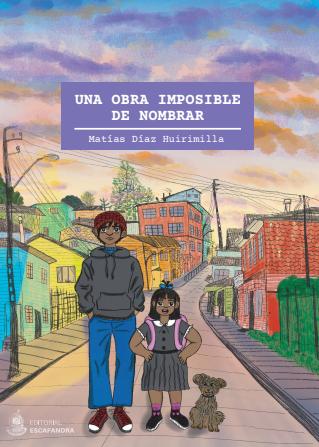
«The work plays with the euphemisms and linguistic disguises that society employs. The text features an adult dramatic speaker recounting the story of children who, as often happens, are underestimated through the omission of names, despite the fact that the children in the story (and children in general) are incredibly perceptive,» reflects the author.
In this context, he comments, «This ‘unnamable work’ does indeed have a name because the situations described within it do; and the siblings could also have names, even if we choose to ignore them and label them ‘victims’ or similar. The dramatic speaker, therefore, does not dare to name the terrible reality because doing so implies taking responsibility for it, reflecting what we as a society do in the face of the monstrous aspects of the everyday,» emphasized the author.
Obtén tu Pasaporte y apoya a El Ciudadano
Elimina la publicidad, accede a contenido exclusivo y sé parte de la comunidad.
Cancela en cualquier momento · Sin permanencia