





Karla Kepec Álvarez, the Health Secretary of Arica and Parinacota, is embroiled in controversy after a WhatsApp message surfaced showing she used a Republican Party chat to recruit staff for her office, raising eyebrows about the implications for public service integrity.
In a landmark ruling, a Santiago court has ordered the government to pay $60 million to a protester who suffered permanent neurological damage after being struck in the head by a tear gas canister during the 2019 social unrest.
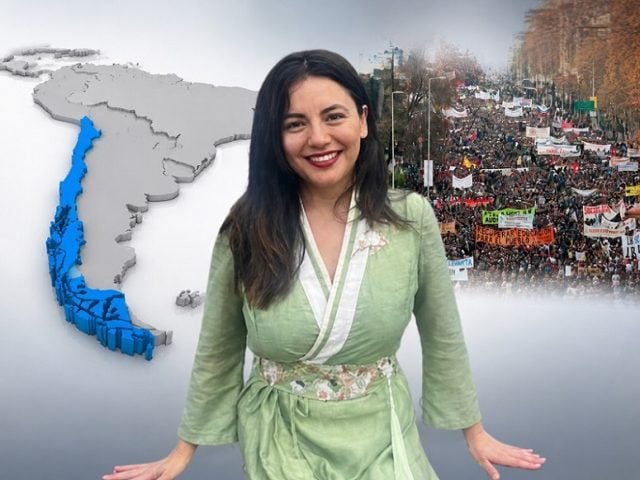
Former spokesperson of the "Penguin Revolution," María Jesús Sanhueza, now a sinologist and international analyst, provides a reinterpretation of 2006 as an epistemic movement that transcends Western political theory. She connects the revolution with territorial cosmologies and global multipolarity, challenging official narratives and advocating for an education and society enriched with ancestral characteristics.
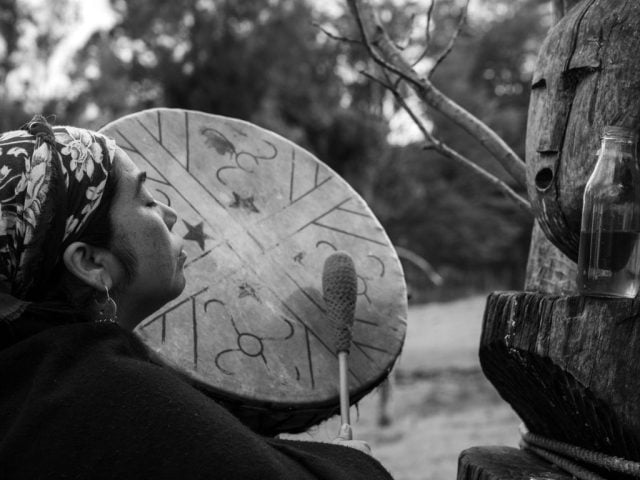
Radio Bío Bío will appeal the ruling for arbitrary discrimination against Machi Millaray Huichalaf. However, the court did not challenge a single graphic resource, but rather the representation their reports created regarding her spiritual authority.
Among the key dissemination products is the documentary "Waters of Memory", an audiovisual work composed of territorial capsules that will explore municipalities such as Angol, Lautaro, Temuco, Melipeuco, Villarrica, and Pitrufquén.
In an incisive interview with Rodrigo Maureira, a prominent Chilean singer-songwriter, the conversation explores the political landscape shaped by neofascism, the societal role of art, and the enduring struggle for human dignity amid a shifting cultural climate in Chile.
In response to calls for the privatization of Codelco by Republican Party President Arturo Squella, the Chuquicamata Union is organizing a major rally on August 10 to defend the company's state ownership and the interests of Chilean copper.
The Human Rights and Business Platform has issued a strong "condemnation" of a harassment campaign targeting Ecoceanos and other labor rights advocates, calling attention to the intimidation following reports on labor conditions in Chile's export sectors.
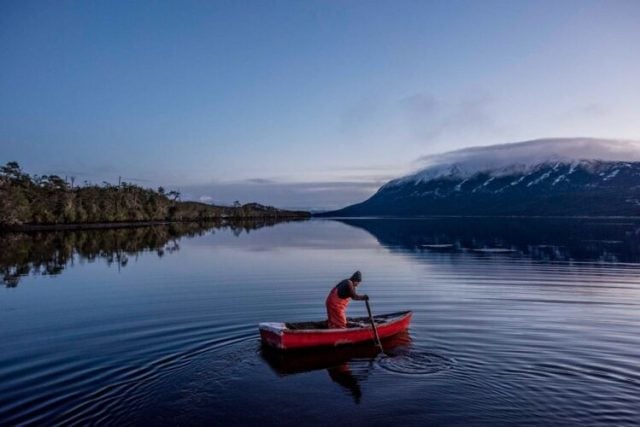
Recently, the notion has emerged that the Coastal Marine Spaces of Indigenous Peoples (ECMPO) represent the appropriation of coastal areas, restricting access or hindering other productive activities. Nothing could be further from the intent behind this law's creation. Those of us who participated in its development never aimed to create exclusive zones for a select few.
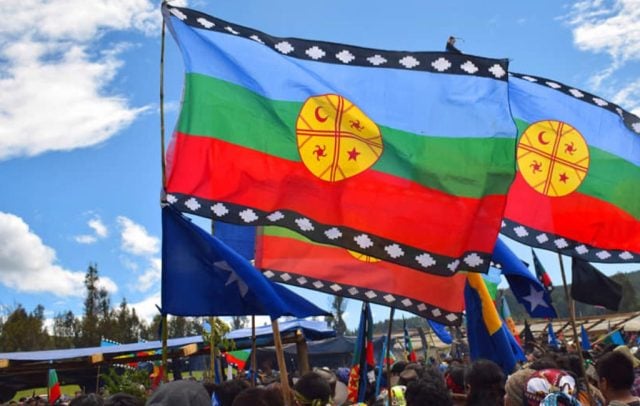
Mapuche-Williche communities are celebrating a recent court ruling against Radio Bío Bío, recognizing discrimination in its coverage of Machi Millaray Huichalaf and marking a significant step against the media's criminalization and stigmatization of indigenous authorities.