


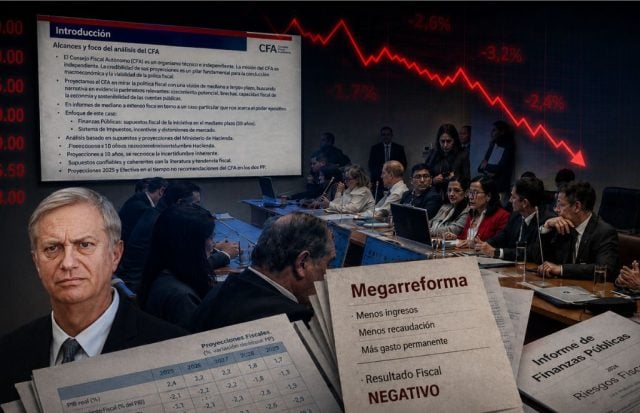
The International Monetary Fund (IMF) has issued a caution to José Antonio Kast's government, highlighting the need for additional fiscal measures to achieve economic targets, while projecting that Chile's growth will be only 1.8% in 2026.
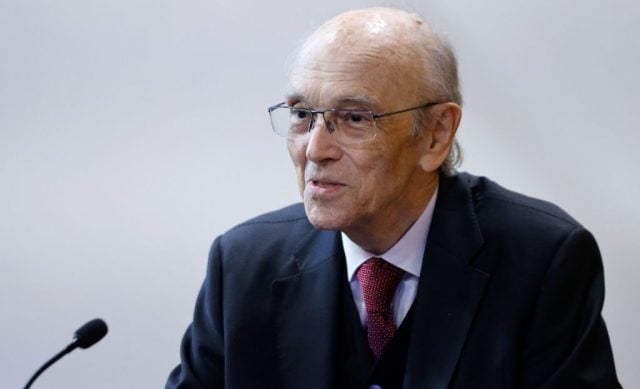
In light of Chile's challenging economic landscape, former Finance Minister Mario Marcel has criticized the Kast administration's decision to stop the Fuel Price Stabilization Mechanism, which led to a historic increase in fuel prices, questioning if the government fully understood the impact of this move.
"The deterioration of economic expectations occurred due to the shock of fuel prices (...) If you look at any survey from the past few months, you'll see that in March and early April there was a drop that set expectations back at least two years," stated the former Central Bank president.
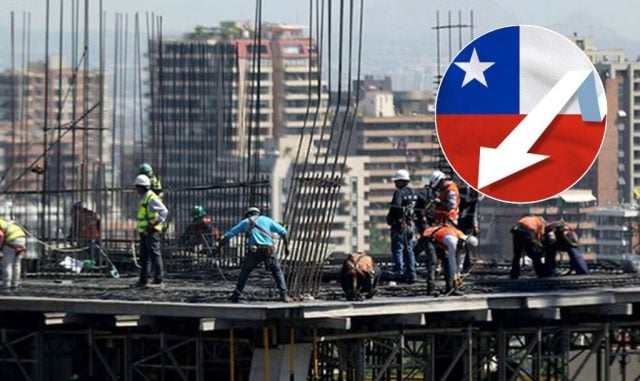
The Chilean labor market has exhibited signs of decline during the March to May 2026 quarter, with the unemployment rate rising to 9.4%, reflecting an ongoing struggle as more individuals seek jobs without sufficient market absorption.
The survey will take place in person from November 1, 2026, to January 31, 2027. Prior to this, a pilot survey will be conducted in the regions of O'Higgins, Biobío, and the Metropolitan Region of Santiago, scheduled to run from July 13 to August 9.
The recent Chile Economic Barometer indicates a troubling shift in the country's economy, moving from 'Good and Improving' to 'Good, but Worsening,' reflecting growing challenges ahead.
The Autonomous Fiscal Council has issued a ruling affirming that there are no arithmetic errors in the debt projections from the Boric administration, effectively undermining claims made by Finance Minister Jorge Quiroz regarding inconsistencies in the government's financial reports.
The EU is set to hold pivotal trade discussions with China amidst rising tensions over trade imbalances and supply chain security, aiming to establish a balance between cooperation and strategic autonomy.
Former Recoleta mayor Daniel Jadue delivered a scathing critique of José Kast's first 100 days in office, asserting that voters have quickly realized his administration serves only the wealthy.