






Chile's economic activity did not recover in August 2026, as the Monthly Index of Economic Activity (Imacec) decreased by 1.0% year-on-year, despite having an extra working day compared to the previous year.
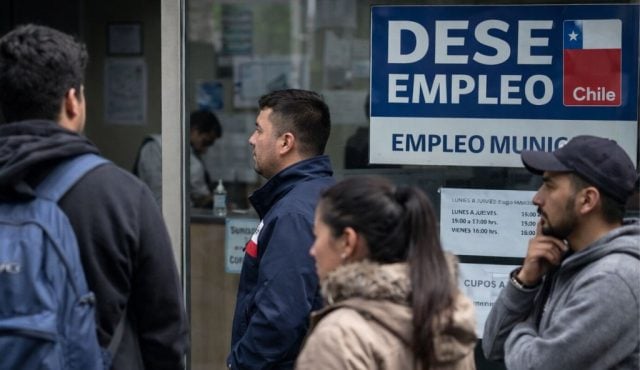
Chile's unemployment rate surged to 9.6% during the June to August 2026 period, marking the highest level in over five years, as reported by the National Institute of Statistics (INE). The data shows a significant increase in the number of unemployed individuals by 13%, reflecting ongoing challenges in the job market.
BHP and Amazon's pilot project introduces a groundbreaking approach by separating verified emission reductions from the physical copper trade, raising questions about the future valuation of recycled copper in a low-carbon economy.
Economic concerns and the rising cost of living have solidified as the main source of discontent among citizens regarding the government of José Antonio Kast, according to the latest edition of the Data Influye survey conducted by TúInfluyes.
Renault, Volkswagen, Mercedes-Benz, and various suppliers are transitioning from car manufacturing to producing military drones and systems, raising ethical questions about consumer loyalty and the implications of supporting such industries.
A report from the Argentine media outlet El Destape revealed that, according to a study by consulting firm Politikón Chaco, Corrientes province saw the closure of 489 employer businesses in the past 12 months, marking a decline that is double the national average.
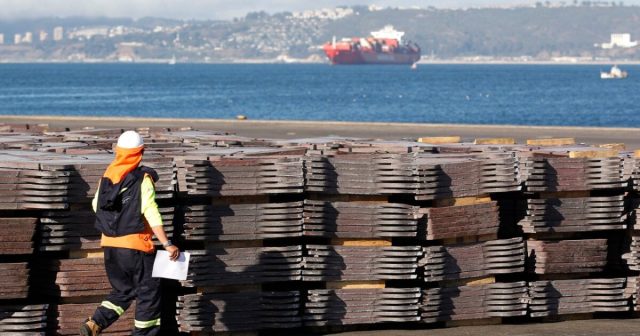
Chilean exports exhibited remarkable growth of 19% from January to August 2026, driven significantly by new markets outside of its traditional trading partners, with total exports reaching US$ 83.252 billion.
The BRICS Business Forum 2026 in New Delhi underscored the bloc's evolving tensions as it celebrates its 20th anniversary, revealing the complexities of its expansion and the stark contrast between its growing economic power and unresolved geopolitical positions.