







When we talk about seasonal workers, we are not merely discussing women's integration into the labor market; we are also addressing an economy that utilizes paid labor while relying on vast amounts of unpaid caregiving work.
The cost of living in Chile continues to rise, with the Consumer Price Index (CPI) showing a 0.4% increase in September 2026, leading to a total accumulation of 4% this year.
Codelco, the world's largest copper producer, is embroiled in a double counting scandal that raises significant concerns about its production figures during Máximo Pacheco's tenure, amidst ongoing criminal investigations and audits.
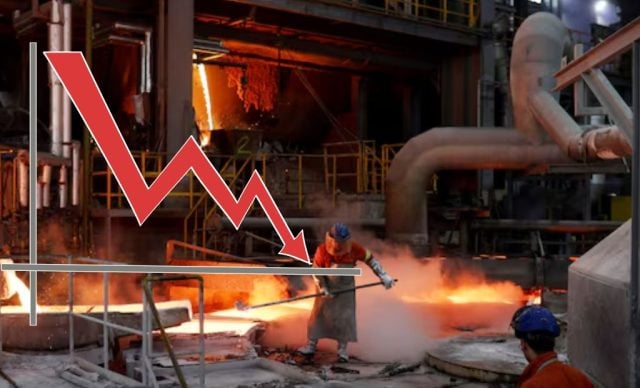
Finance Minister Jorge Quiroz has confirmed a dramatic downturn in economic projections for Chile, noting that the growth forecast for 2026 has plummeted from 2.1% to 0.7%.
The U.S. exchange launches physically settled contracts for gold, silver, platinum, and palladium, betting on the vault infrastructure of the City to attract the bullion industry.
The report by the Central Bank of Chile indicates that while households' net financial wealth reached an all-time high, significant losses in pension funds reveal a stark disconnect between recorded wealth and the actual well-being of Chilean families.
The José Antonio Kast administration is requesting Congress to approve borrowing up to $25 billion for the 2027 budget, which aims to impose stricter deficit reduction targets while increasing the capacity to incur debt.
The logic of financial capitalism explains why the promised miracle will not occur. Profitability is increasingly measured by the immediate returns on capital, not by the ability to produce goods or create jobs. Building a factory in Chile involves years of risk and regulation while buying U.S. Treasury bonds is instantaneous. What is rational for individual entrepreneurs can be destructive for the country's development.
The recent 1.0% decline in Chile's Monthly Index of Economic Activity (Imacec) for August has raised concerns among experts regarding the country's growth projections for 2026, suggesting that an annual contraction is now a possibility.