



Renault, Volkswagen, Mercedes-Benz, and various suppliers are transitioning from car manufacturing to producing military drones and systems, raising ethical questions about consumer loyalty and the implications of supporting such industries.
A report from the Argentine media outlet El Destape revealed that, according to a study by consulting firm Politikón Chaco, Corrientes province saw the closure of 489 employer businesses in the past 12 months, marking a decline that is double the national average.
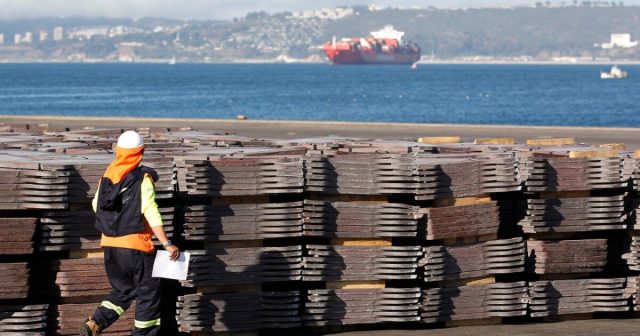
Chilean exports exhibited remarkable growth of 19% from January to August 2026, driven significantly by new markets outside of its traditional trading partners, with total exports reaching US$ 83.252 billion.
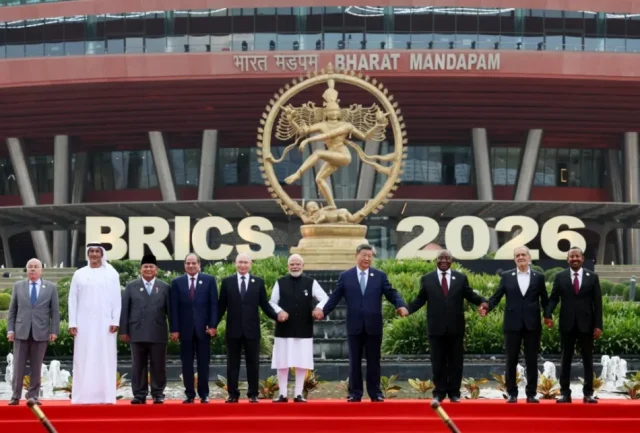
The BRICS Business Forum 2026 in New Delhi underscored the bloc's evolving tensions as it celebrates its 20th anniversary, revealing the complexities of its expansion and the stark contrast between its growing economic power and unresolved geopolitical positions.
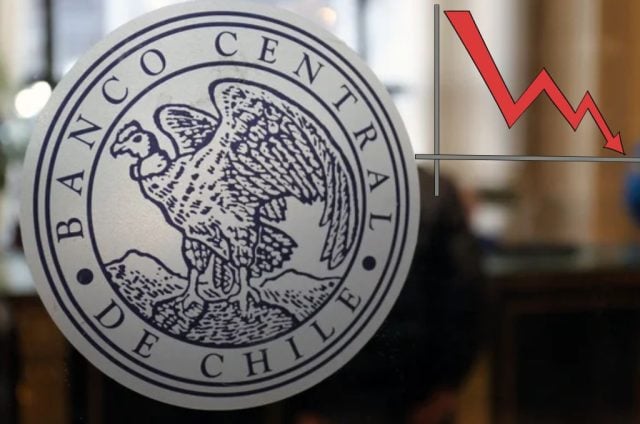
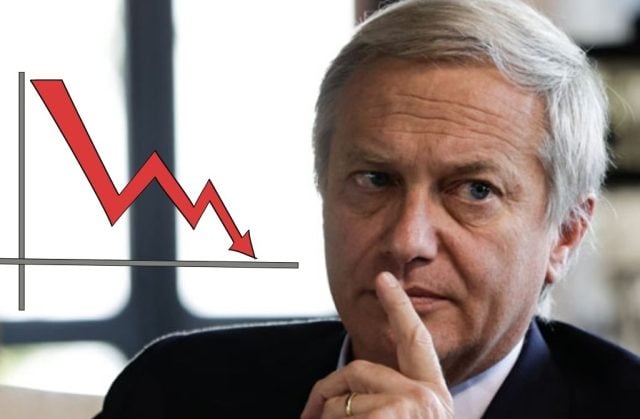
The Central Bank has made a significant reduction to its economic growth forecast for Chile in 2026, cutting it from an estimated range of 1.0-1.75% to just 0.25-0.75%, citing a quicker-than-expected deterioration in productive activity.
The Central Bank of Chile's Council unanimously decided to keep the Monetary Policy Rate at 4.5% while worsening its outlook on the economy, warning of job losses, increased fragility in the labor market, and inflation driven by rising fuel prices.
Under the leadership of José Antonio Kast, inflation in Chile surged unexpectedly in August, reaching 4.1% annually, which poses significant challenges for households amid rising living costs.
The global economy is navigating a landscape filled with both opportunities and tensions. International trade is experiencing rapid growth, yet trade wars, tariffs, and sanctions are reshaping the marketplace.
The Central Bank of Chile has revealed that the Monthly Economic Activity Indicator (Imacec) for July 2026 witnessed a sharp 1.5% decline compared to the same month last year, signaling the worst economic performance the country has seen in over three years. This downturn poses significant challenges for President José Antonio Kast's administration as it grapples with mounting pressures to revitalize the economy.
The significant challenges perceived in the country relate to the need to maintain political stability, manage economic conditions, address the implications of artificial intelligence (AI) on employment—especially among the youth—and elevate the well-being of the populace.