Two earthquakes with magnitudes of 7.1 and 7.5 struck large areas of the country, prompting the government to suspend classes, halt non-essential activities, and activate a contingency command center to coordinate rescues, medical care, and damage assessments.
This legal initiative increases penalties for crimes committed while concealing identity, strengthens sanctions for looting, and introduces an aggravating factor for those attempting to evade justice by hiding their faces.
Senator Fabiola Campillai stated that "the actions of this government and its allies demonstrate that their priorities are focused on protecting the privileges of the super-rich while hardworking Chilean families continue to suffer and bear the costs."
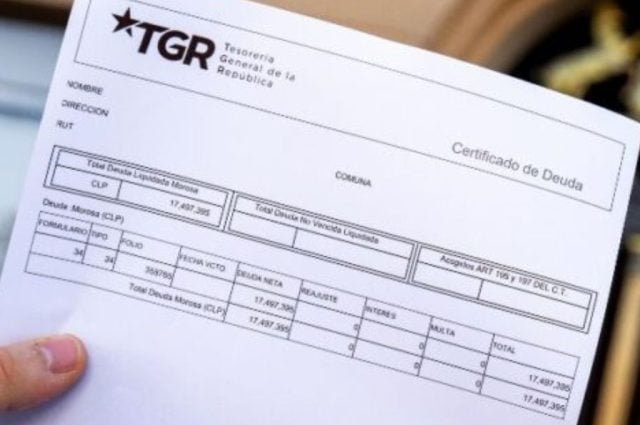
Companies linked to Katherine Echaiz have amassed over $471 million in debt and are facing civil lawsuits, labor claims, and a recent report made to the Eastern Prosecutor's Office.
In September 2025, the UN Committee on Economic, Social and Cultural Rights recommended that the Chilean State take steps to ensure the right of incarcerated indigenous individuals to practice their customs and spiritual and religious ceremonies. Consequently, supporters of Machi Celestino have called to "defend enshrined rights" and rejected Gendarmería's decision, deeming it arbitrary and discriminatory.
The survey will take place in person from November 1, 2026, to January 31, 2027. Prior to this, a pilot survey will be conducted in the regions of O'Higgins, Biobío, and the Metropolitan Region of Santiago, scheduled to run from July 13 to August 9.
A domino effect referred to by doctors as "the pathological triad" links the country's major pollution risks to issues affecting the immune system, cardiovascular system, neurological health, and mental well-being. A free symposium on the topic will take place on Friday, June 26, starting at 09:00 hrs. at the Chilean Medical Association auditorium.
Women have never been mere recipients of the consequences of war. They have been vital actors in conflict prevention, community protection, social fabric preservation, and rebuilding what wars have destroyed. The international community recognized this reality with the adoption of Resolution 1325, which stated that women are essential partners in conflict prevention and resolution, as well as peacebuilding.